




FedEx Adds 1,900 New Lightweight, Fuel Efficient Fleet Vehicles
The biggest, single impact on the fleet’s overall fuel efficiency has been matching the right vehicle to each route, according to the company.

FedEx Express has recently purchased 1,900 lightweight, composite-body Reach vehicles from Spartan Motors, a division of Utilimaster. These will join the 400 Reach vehicles already in service
FedEx Express continues to improve its fleet fuel efficiency with the holistic three-tiered vehicle strategy: Reduce, Replace, and Revolutionize. This strategy allows FedEx to optimize the vehicles currently in operation while working with manufacturers to purchase advanced vehicle technologies for its new purchases. FedEx Express recently made the following purchases to increase the overall fuel efficiency of its vehicle fleet:
FedEx Express has recently purchased 1,900 lightweight, composite-body Reach vehicles from Spartan Motors, a division of Utilimaster. These will join the 400 Reach vehicles already in service, giving FedEx Express the largest lightweight, composite-body vehicle fleet in the industry, with approximately 2,300 vehicles. The Reach van, with its four-cylinder, 3.0-liter Isuzu diesel engine, demonstrates a 35 percent fuel efficiency improvement over traditional vehicles in the FedEx Express fleet. The lower-weight body design, along with the engine, allows every Reach to significantly reduce fuel consumption and exhaust emissions compared to conventional walk-in vans.
FedEx is also working with XL Hybrids, a developer of a low-cost hybrid-electric powertrain system, to convert 10 conventionally-powered, panel vans into more fuel-efficient, hybrid vehicles. This conversion not only reduces fuel consumption and emissions by up to 21.2 percent on urban routes, but will also extend the engine life in fleet vehicles with their hybrid-electric drive train.
FedEx Express works with the following educational and research institutions to improve electric and alternative-energy vehicle technologies:
FedEx Express is working with the Advanced Vehicle Testing group at Argonne National Laboratory, using its Advanced Powertrain Research Facility to test and compare different models of electric vehicles, collecting performance data under various operating conditions. Argonne will collect the electric energy consumption of the vehicles to help determine the total cost of operating an electric vehicle fleet. The U.S. Department of Energy also provided funding for this testing initiative.
In New York City, FedEx Express continues to work with General Electric and Columbia University on a smart charging project to understand how large electric vehicle deployments would impact the energy grid and help develop best practices for charging these vehicles in large cities like New York.
In 2008, FedEx Corp. set the U.S. transportation industry’s first fuel efficiency goal with a commitment to improve the overall fuel efficiency of the FedEx Express vehicle fleet 20 percent by 2020, as compared with its 2005 performance. In March 2013, less than five years later, FedEx Express surpassed this goal with a more than 22-percent cumulative improvement in fuel economy for its vehicles and set a revised goal to improve the fuel efficiency its vehicle fleet 30 percent by 2020.
More Green Fleet

EV Charging Use Is Outpacing Infrastructure Growth
ChargePoint’s 2026 Charging Forward Report points to rising charger use, higher-powered charging, commercial vehicle electrification, and energy-management technology. Here’s what fleets should know.
Read More →
Merchants Fleet Reports 290M EV Miles as Fleets Navigate Changing Electrification Market
From millions in operating savings to hundreds of millions of EV miles, Merchants Fleet’s latest report reveals what’s working and what’s changing in fleet electrification.
Read More →
The EV Breakdown Nobody's Talking About: Why Most Electric Vehicle Roadside Calls Aren't Mechanical Failures
Here's why EV breakdowns are widely misunderstood.
Read More →
ChargePoint Now Available in Energy Pass
ChargePoint and additional planned charging network integrations were added to GM's Energy Pass.
Read More →

First Look: Slate Auto's Electric Fleet Pickup
Could an affordable, modular EV pickup make electrification more practical for fleets?
Read More →
Slate Debuts Colorful, Unique EV Models
A recent media and client event, studded with electric vehicles dressed up on platforms, planted a new position for the manufacturer in the wider EV market. Fleets will find cost-saving advantages.
Read More →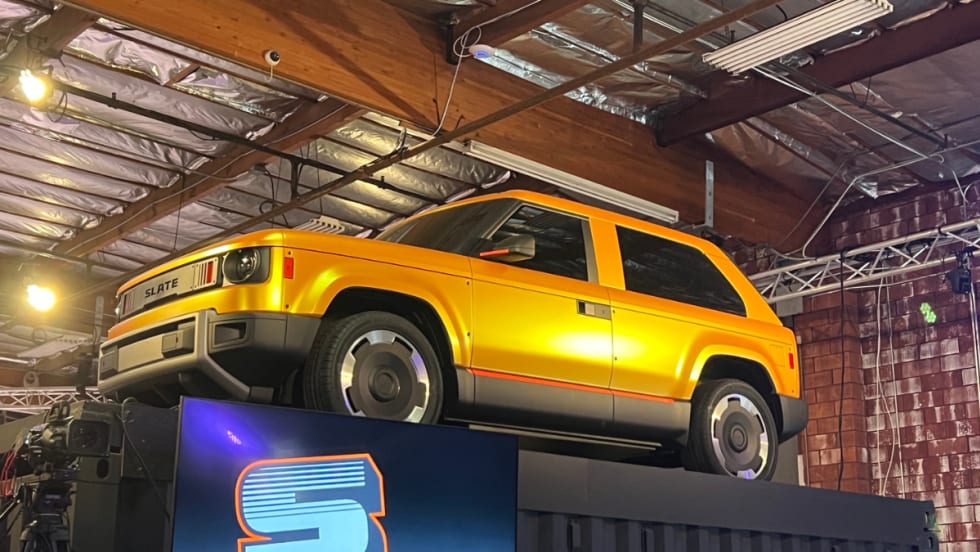
Slate Electric SUV, Pickup Switchable Model Aims For Light-Duty Fleets
Everything about this EV is counterintuitive and understated, making it stand out from the crowd.
Read More →
Inspiration Mobility Acquires Key Electrada Assets
Inspiration Mobility Group has acquired select assets of Electrada, adding the fleet electrification provider's team, technology, and charging infrastructure development capabilities to its energy management business.
Read More →
Turning Connected Vehicle Data Into Decisions That Matter
Fleet leaders have more data than ever, but turning that data into clear, actionable decisions remains a challenge. This white paper shows how leading organizations are using connected vehicle data to improve safety, reduce costs, and optimize fleet performance. Learn how to turn insight into action across your fleet.
Read More →