




Fed-Funded Lab Working On Range-Extending EV Tech
Pacific Northwest National Laboratory is currently working on a material that could allow more renewable energy to be stored within lithium-sulfur batteries, increasing the distance an electric vehicle (EV) could travel on one charge.
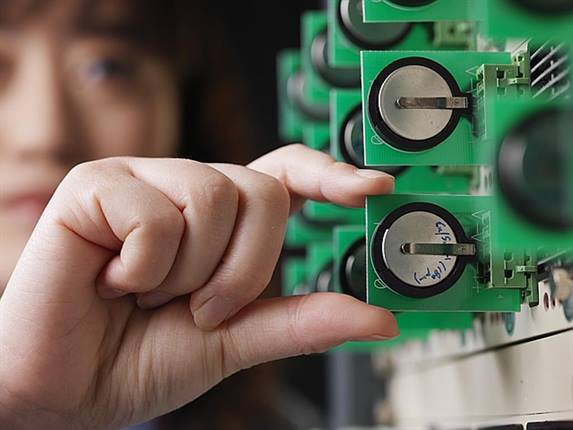
PNNL is developing nanomaterial called a metal organic framework that could extend the lifespan of lithium-sulfur batteries, possibly increasing the driving range of electric vehicles. Photo courtesy of PNNL.
Pacific Northwest National Laboratory (PNNL), a U.S. Department of Energy (DOE) managed laboratory, is currently working on a material that could allow more renewable energy to be stored within lithium-sulfur batteries, increasing the distance an electric vehicle (EV) could travel on one charge. The material is a powderized nanomaterial called a metal organic framework, which reseachers are currently testing at the Richland, Wash., facility.
Metal organic frameworks (MOFs) are crystal-like compounds made of metal clusters connected to organic molecules, or linkers. Together, the clusters and linkers assemble into porous 3-D structures. MOFs can contain a number of different elements. PNNL researchers chose the transition metal nickel as the central element for this particular MOF because of its strong ability to interact with sulfur.
"Lithium-sulfur batteries have the potential to power tomorrow's electric vehicles, but they need to last longer after each charge and be able to be repeatedly recharged," said materials chemist Jie Xiao at PNNL. "Our metal organic framework may offer a new way to make that happen."
EVs are typically powered by lithium-ion batteries, which can limit range due to the chemistry the batteries. This results in EV range anxiety, with drivers worrying about how far they can go before needing a charge. Lithium-sulfur battery, which can hold as much as four times more energy per mass than lithium-ion batteries, would enable electric vehicles to drive farther on a single charge, as well as help store more renewable energy. On the down side, lithium-sulfur batteries have a much shorter lifespan because they can't currently be charged as many times as lithium-ion batteries.
More Green Fleet
The EV Breakdown Nobody's Talking About: Why Most Electric Vehicle Roadside Calls Aren't Mechanical Failures
Here's why EV breakdowns are widely misunderstood.
Read More →
ChargePoint Now Available in Energy Pass
ChargePoint and additional planned charging network integrations were added to GM's Energy Pass.
Read More →
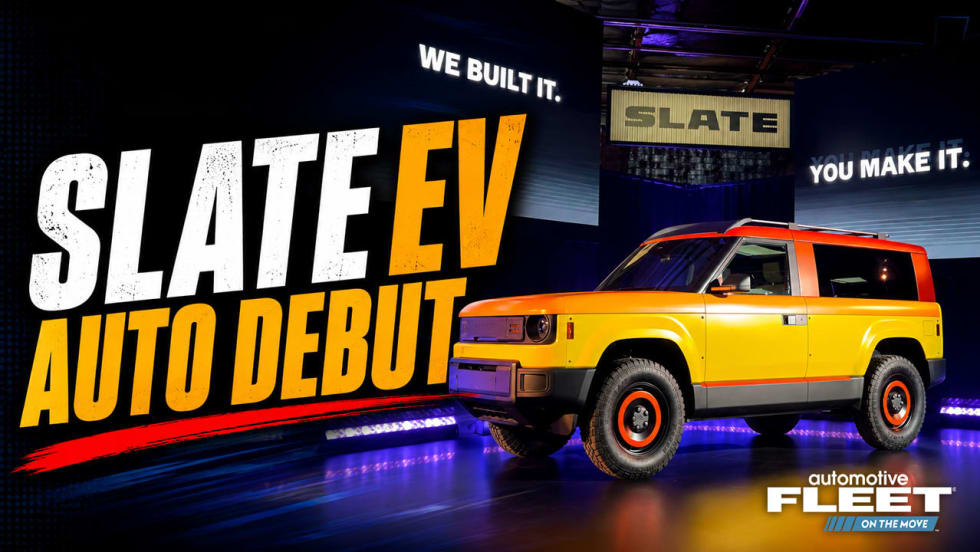
First Look: Slate Auto's Electric Fleet Pickup
Could an affordable, modular EV pickup make electrification more practical for fleets?
Read More →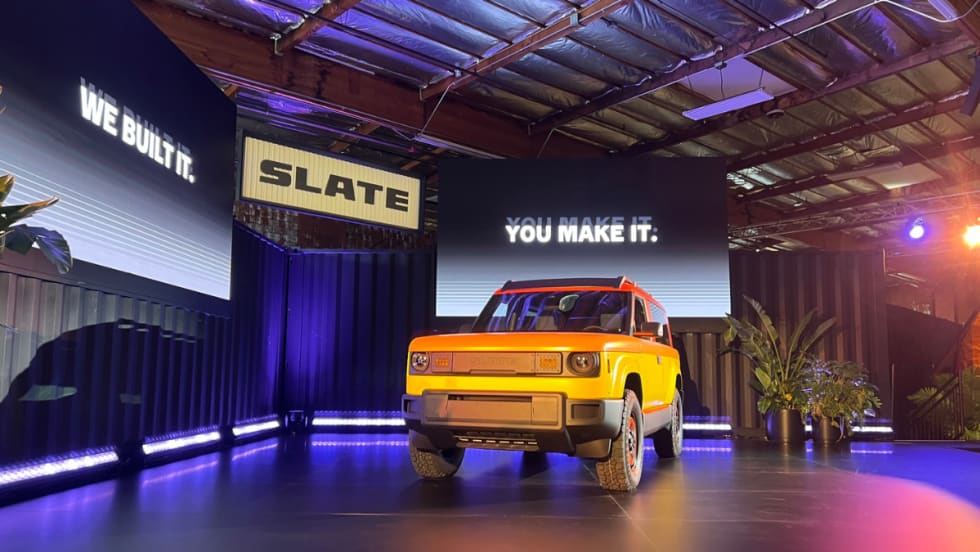
Slate Debuts Colorful, Unique EV Models
A recent media and client event, studded with electric vehicles dressed up on platforms, planted a new position for the manufacturer in the wider EV market. Fleets will find cost-saving advantages.
Read More →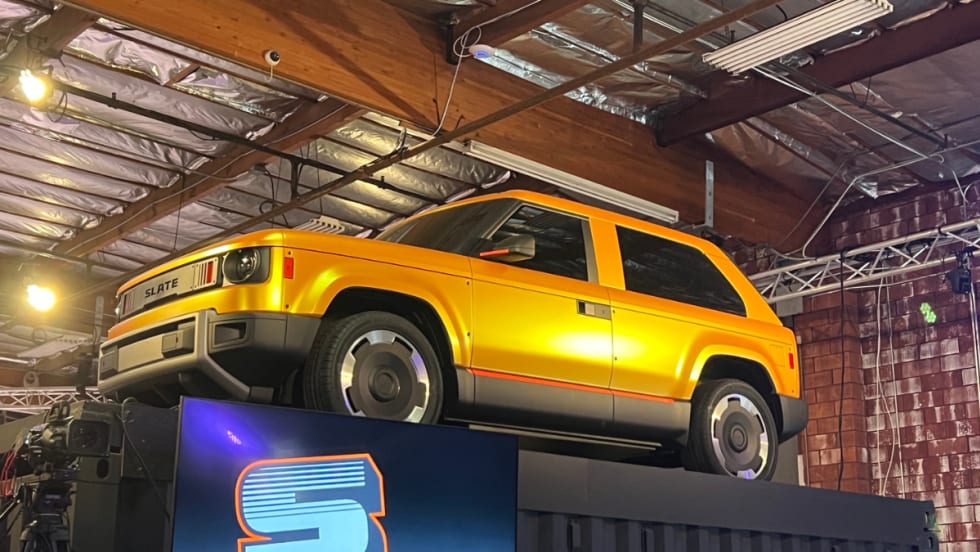
Slate Electric SUV, Pickup Switchable Model Aims For Light-Duty Fleets
Everything about this EV is counterintuitive and understated, making it stand out from the crowd.
Read More →
Inspiration Mobility Acquires Key Electrada Assets
Inspiration Mobility Group has acquired select assets of Electrada, adding the fleet electrification provider's team, technology, and charging infrastructure development capabilities to its energy management business.
Read More →
Turning Connected Vehicle Data Into Decisions That Matter
Fleet leaders have more data than ever, but turning that data into clear, actionable decisions remains a challenge. This white paper shows how leading organizations are using connected vehicle data to improve safety, reduce costs, and optimize fleet performance. Learn how to turn insight into action across your fleet.
Read More →
Are You Tracking Your Fleet's True Total Cost of Ownership?
Bobit Business Media surveyed 190 fleet professionals and found that while most fleets are tracking costs, fragmented systems and data gaps are keeping true TCO visibility out of reach. With rising pressure to control spend in an increasingly volatile environment, the gap between what fleets think they know and what the data actually shows is wider than you might expect. See how your peers are managing costs today and where the industry still has room to improve.
Read More →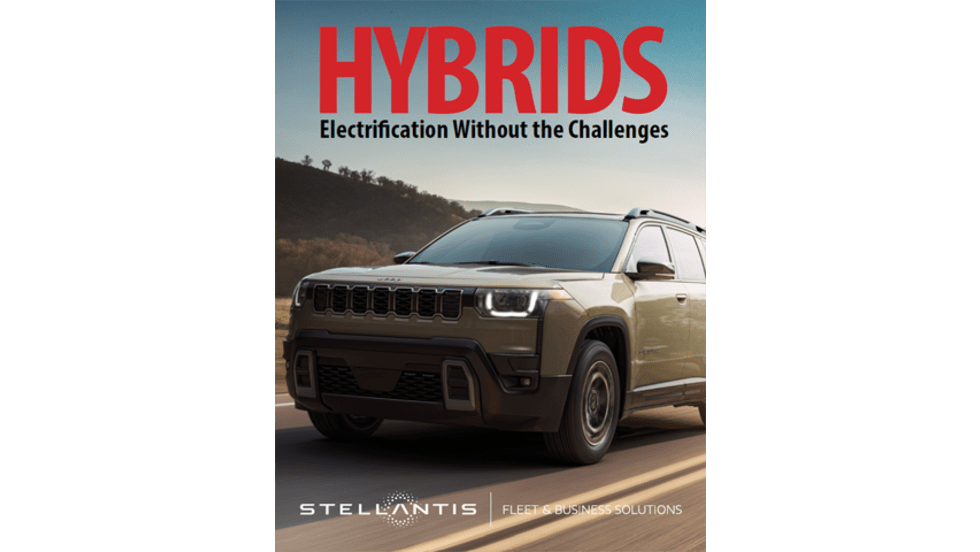
Hybrids: Electrification Without the Challenges
For fleet managers, fuel is one of the biggest line items in the budget — and it's one hybrids can shrink without changing how your people work. Download the eBook to see the numbers, understand the technology, and get a step-by-step guide to making the switch.
Read More →