




Related: Feds Sue Fiat-Chrysler Over Diesels
FCA to Restart Sales of Diesel Ram 1500
Fiat Chrysler can begin selling diesel-powered versions of its 2017 Ram 1500 and Jeep Grand Cherokee vehicles, after receiving approval from state and federal environmental regulators.
by Staff
July 28, 2017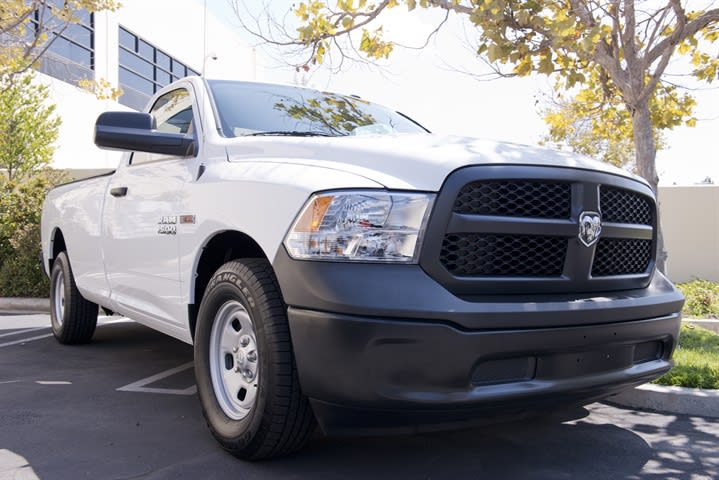
Photo of Ram 1500 EcoDiesel by Vince Taroc.
1 min to read
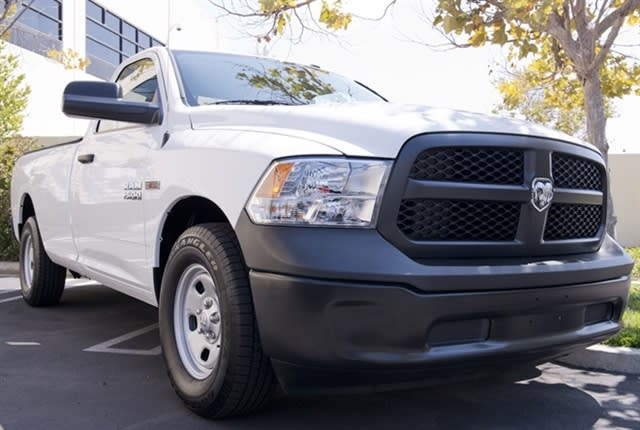
Photo of Ram 1500 EcoDiesel by Vince Taroc.
Fiat Chrysler can begin selling diesel-powered versions of its 2017 Ram 1500 and Jeep Grand Cherokee vehicles, after receiving approval from state and federal environmental regulators.
The U.S. Environmental Protection Agency and California Air Resources Board have certified the vehicles, which will be powered by 3.0-liter diesel engines, FCA has announced.
FCA has been negotiating with the agencies since earlier this year to resolve concerns about the emissions control technologies in the vehicles. In May, the federal government sued FCA for using a defeat device to evade emissions testing.
FCA has applied updated emissions software calibration that won't affect the performance of the vehicles that has allowed them to address the agencies' concerns.
FCA will continue to work closely with the agencies to use a version of the modified software to update the emissions control systems of the 2014 to 2016 model-year Jeep Grand Cherokee and Ram 1500 diesel vehicles named in the notices of violation issued in January.
"The approvals announced today represent a significant step toward resolving the issues raised by EPA and ARB," said Sergio Marchionne, FCA's chief executive officer. "We appreciate the efforts of the agencies in working with us to achieve this milestone. We are anxious to build on this progress to make appropriate updates to the emissions control software in our earlier model-year vehicles."
More Operations

Here's When You Should Make an Exception to Fleet Policy
Fleet policies are designed to create consistency, but not every driver or situation fits neatly within standard rules.
Read More →
AI-Native or AI-Acquired: What Should Fleet Managers Look for in an AI Platform?
Six questions can help fleet managers look beyond AI marketing claims to evaluate integration, data access, and real-world operational performance.
Read More →
Sponsored•October 14, 2026
A buyer's guide to fleet management software in 2027
Buying fleet management software in 2027 means looking beyond features and price. As fleet operations, technology and expectations evolve, this guide explores what today’s fleet professionals should consider when choosing a system that can deliver value now and adapt to what comes next.
Read More →

What Will Shape the Next Era of Fleet Management?
EVs, AI, and autonomous vehicles are reshaping fleet management. Discover what’s ahead—and how fleet leaders can prepare for the next era.
Read More →
How Fleets Can Recruit and Train Veterans for Technician Roles
Here's how the technician shortage has affected uptime for fleets, and what to do about it.
Read More →
Avis Budget Group Deploys Neology Toll Management Technology Across Major Brands
Neology’s neoFleet platform will manage toll transactions and toll-authority operations for vehicles across Avis, Budget, Payless, Budget Truck and Zipcar.
Read More →
Fleet Personal-Use Charges Edge Higher in 2026
Nearly eight in 10 surveyed fleets allow personal use of company vehicles, while just over half of respondents report charging employees for the privilege.
Read More →
The Future of Fleet + What’s Changing Right Now | AF News Recap
Could developments overseas offer a preview of what’s coming for U.S. fleets? This week, we’re looking at the future of AI, autonomy, and electrification, plus Ford Pro’s new certified pre-owned program, smarter vehicle offboarding, and a new way for fleets to manage toll expenses.
Read More →
How to Handle Vehicle Offboarding
What do fleet managers need to do when a driver leaves?
Read More →
Sponsored•October 1, 2026
Fleet Manager’s Ultimate Playbook: Navigating the New Standard in OEM Connectivity
Rising operating costs, driver safety concerns, and unplanned downtime are putting unprecedented pressure on modern fleets. Discover how fleet managers use embedded OEM connectivity and real-time vehicle data to cut TCO, prevent downtime, and protect drivers without aftermarket telematics hardware.
Read More →