




Fatal Tesla Crashes Raise Autopilot Concerns
Tesla maintains that vehicles are safer in autopilot, but that drivers must remain alert at all times.
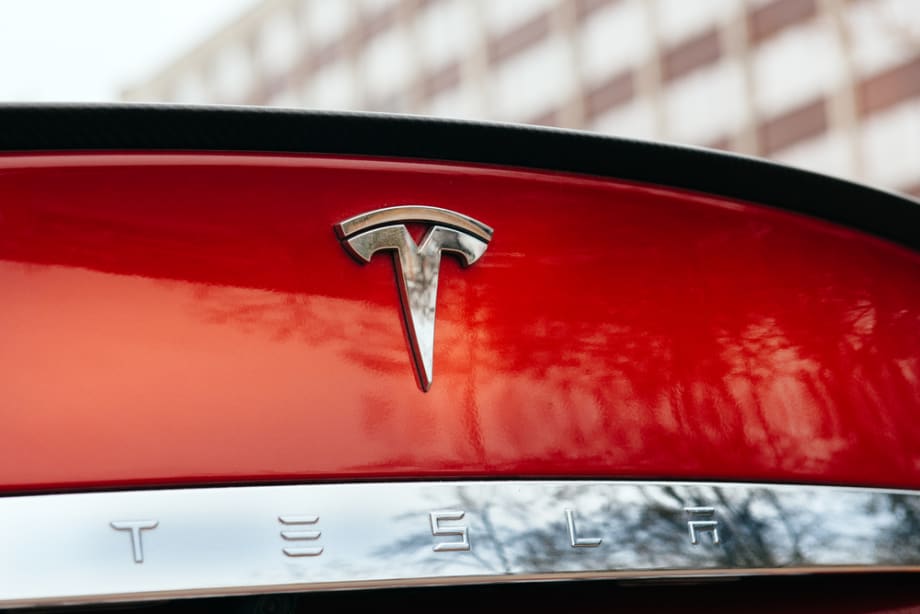
Tesla states its autopilot is only meant to assist drivers by keeping the vehicle in its lane and at a safe distance from other vehicles.
Photo via Despositphotos.
Three recent accidents involving Teslas that resulted in three fatalities has raised concerns over the safety of vehicle's autopilot feature, KOMO News reports.
Tesla states its autopilot is only meant to assist drivers by keeping the vehicle in its lane and at a safe distance from other vehicles. However, autopilot can change lanes on its own.
An accident Sunday in Southern California occurred after a Tesla Model S, traveling at a high speed, ran a stop light. It struck another vehicle, killing two people.
That same day in Indiana, a Tesla Model 3 crashed into a parked firetruck, which resulted in the death of the Tesla's passenger.
In early December, a Model 3 hit a police vehicle in Connecticut, although no one was injured.
Authorities from the National Highway Traffic Safety Administration are investigating whether the autopilot system was engaged in the California and Indiana crashes. The driver involved in the Connecticut accident told investigators the vehicle was in autopilot at the time of the incident.
Tesla maintains that vehicles are safer in autopilot, but that drivers must remain alert at all times.
More Fleet Forward

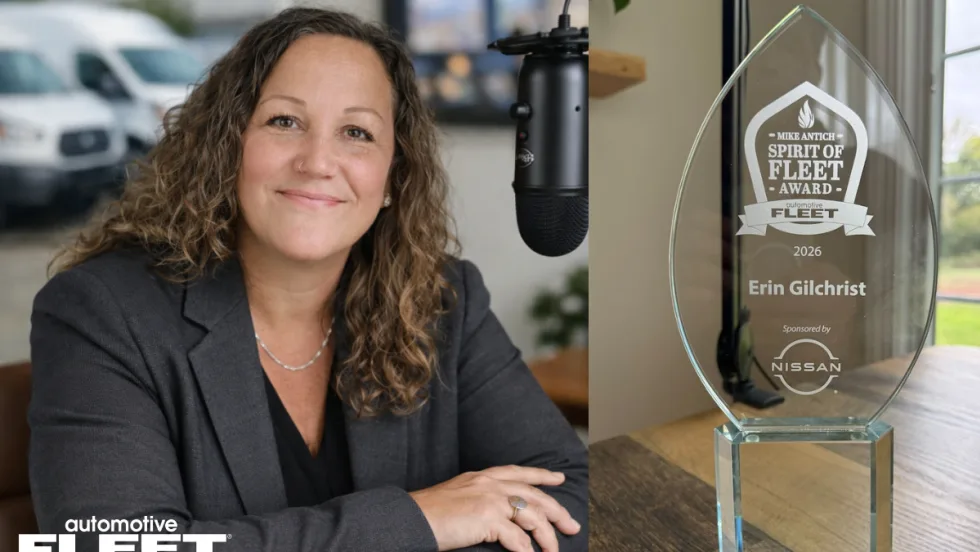
Erin Gilchrist Receives Mike Antich Spirit of Fleet Award
Last week at AFLA in Vegas, Erin Gilchrist received the inaugural, brand-new Spirit of Fleet Award.
Read More →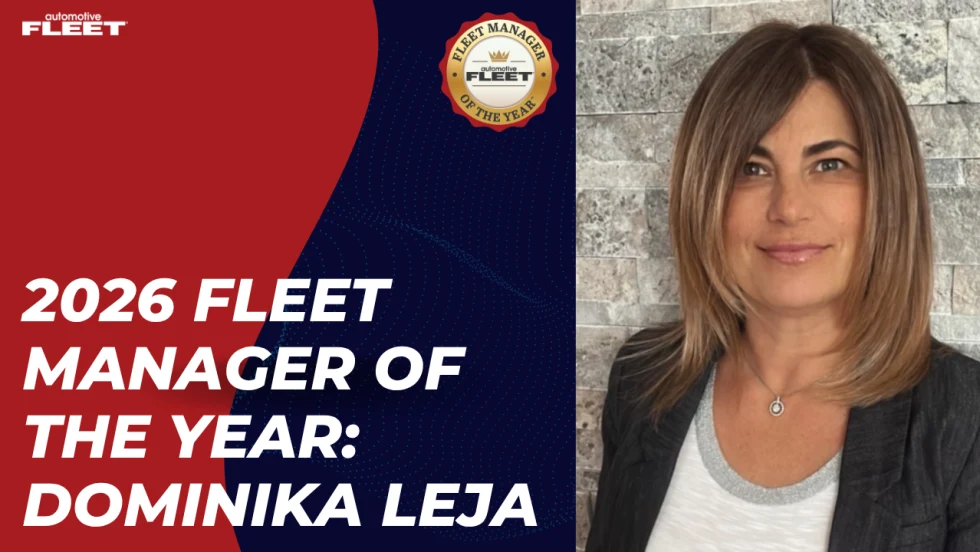
Dominika Leja Named the 2026 Fleet Manager of the Year
The AstraZeneca associate director of fleet was recognized for her leadership in fleet electrification, cost savings, and operational transformation.
Read More →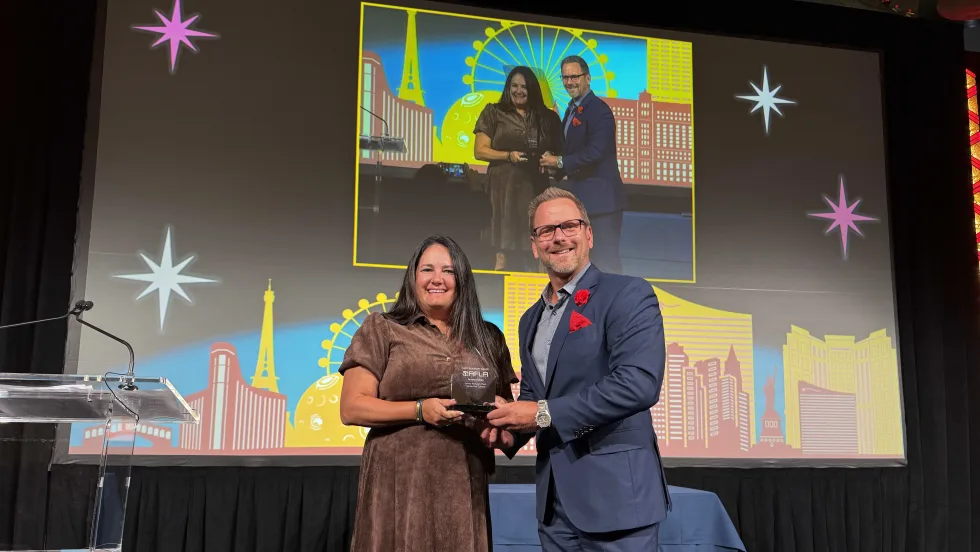
Jamie McKay Named the 2026 Fleet Visionary Award Winner
The Aptive Pest Control fleet manager was recognized for her approach to operations, data, lifecycle management, and driver needs.
Read More →
Fleet Forward Conference Introduces One-Day Passes for 2026
New one-day registration gives fleet professionals the flexibility to attend Tuesday, Wednesday, or Thursday, with passes available for $199 through Sept. 18.
Read More →
Vibe Coding: When Fleet Managers Become Software Builders
Five fleet professionals — none with programming skills — discuss how they’re using AI to build fleet solutions in-house and in a fraction of the time.
Read More →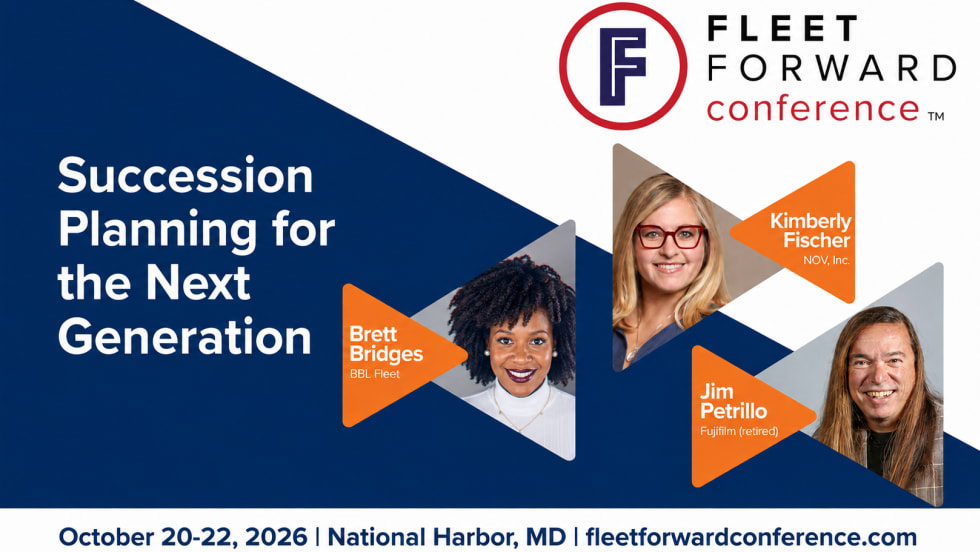
Fleet Forward Conference Tackles Fleet Industry’s Growing Leadership Gap
This session will examine succession planning, knowledge transfer, and the skills the next generation of fleet leaders will need as veteran professionals leave the industry.
Read More →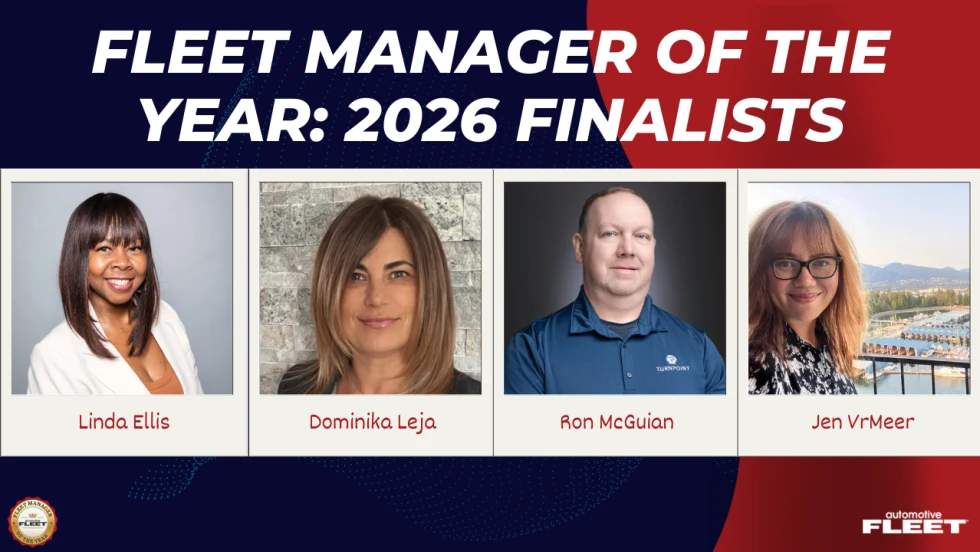
2026 Fleet Manager of the Year Finalists Announced
Who are the 2026 Fleet Manager of the Year finalists?
Read More →
John Rossant to Deliver Opening Keynote at 2026 Fleet Forward Conference
The CoMotion founder will draw on developments across Europe, China, the Middle East, and other international markets to identify trends that could influence how U.S. fleets plan for the coming decade.
Read More →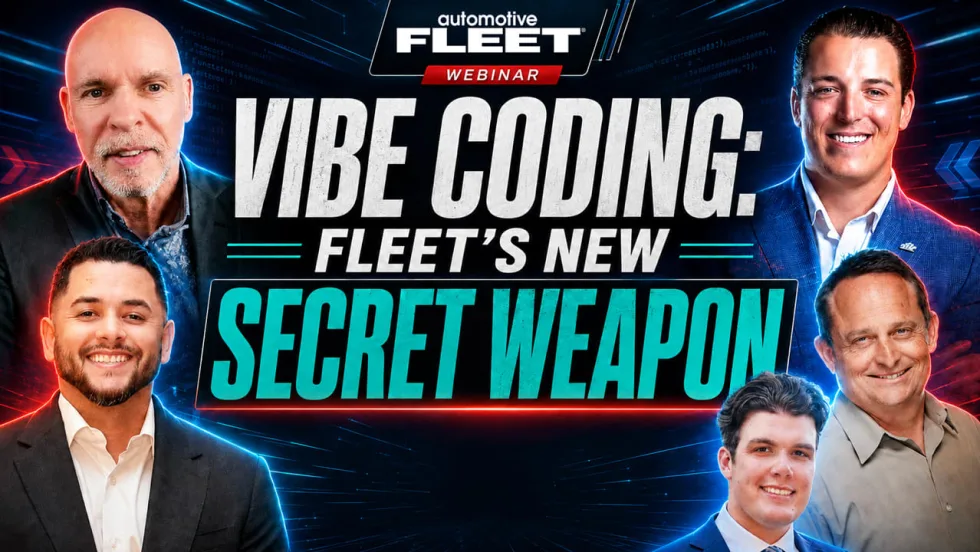
How to Build Custom Fleet Tools With AI and Vibe Coding [Webinar]
A new Automotive Fleet webinar explores how fleet managers are using AI and vibe coding to automate routine work and create simple operational tools without traditional programming skills.
Read More →