




F-650/F-750 Switches to Ford-Built Engine, Transmission
As part of Ford’s refresh of the F-650/F-750, the medium-duty vocational trucks will now be equipped with a Ford-produced diesel engine and transmission beginning with MY-2016.

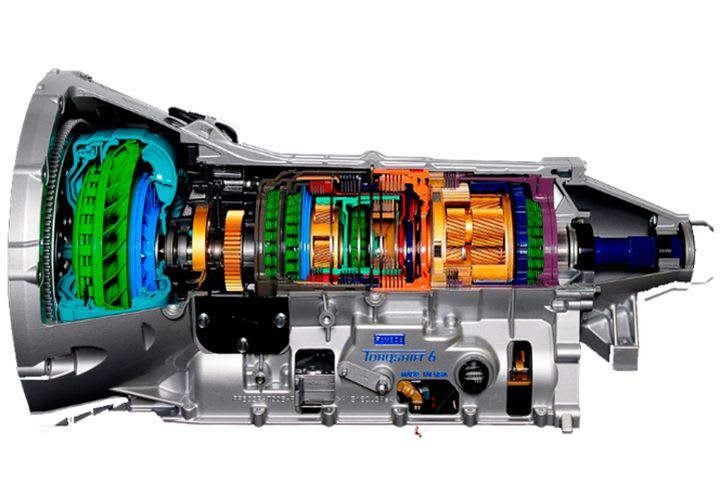
Ford will be equipping its F-650/F-750 models with a Ford-produced diesel transmission for MY-2016
Photo: Ford
As part of Ford’s refresh of the F-650/F-750, the medium-duty vocational trucks will now be equipped with a Ford-produced diesel engine and transmission beginning with MY-2016.
The current generation of the F-650/F-750 was equipped with a standard Cummins ISB 6.7L diesel and an Allison 6-speed automatic transmission. The F-650 is also available with a gasoline-powered V-10 engine and transmission that also produced by Ford.
What's New on Ford F-650/F-750?
The F-650/F-750 will be equipped with the second-generation 6.7L Power Stroke V-8 diesel, which is specially engineered to tackle medium-duty jobs with three horsepower and torque levels, according to the automaker. The upcoming F-650 and F-750 will be available in both the gasoline V-10 and the Ford V-8 diesel.
The engine is paired with Ford’s commercial-grade six-speed 6R140 automatic transmission with available power takeoff to run accessories in the field, such as a dump body, crane, or other vocational equipment.
“Ford is the only medium-duty truck maker that designs and builds its own diesel engine and transmission, enabling us to optimize performance across the entire lineup,” said Todd Kaufman, Ford's F-Series Chassis Cab marketing manager. “And, our customers will appreciate driving the 6.7L Power Stroke diesel, which is more than 25-percent quieter at idle than the diesel it replaces.”
However, one regional fleet dealer noted there could be some initial pushback from Ford fleet customers who are used to the Cummins engine and Allison transmission, but this should be short lived.
“Ford is definitely taking a chance not using an Allison just for the sake of the name. However, Ford has done very well with the in-house Heavy Duty transmission they use in the F-Series Super Duty,” said Russ Cass, fleet director of Piemonte National Fleet. “We’ve had no problem with the transmission, and if there were problems we would have heard about by now.”
Cass noted that the switch to an all-Ford package will make fleet managers’ lives a bit easier. “It opens up a lot possibilities for fleets. As long as they can accommodate larger-size vehicles most dealers will be able to have trucks drop shipped to their facilities,” he said. “It also simplifies service.”
Previously, because of the special certifications required, F-650 and F-750 models equipped as diesels could only be drop shipped to a handful of Ford dealerships specially certified to handle the engines and transmissions, requiring fleets to travel up to several hundred miles to pick up their vehicles. Ford operates a network of 3,000 service points that helps maximize customer uptime, according to the automaker.
The Power Stroke and 6-speed transmission is backed by a five-year/250,000 mile warranty. This warranty is across all vocations and uses, according to Ford.
In addition to the new diesel engine and transmission package, the MY-2016 F-650/F-750 also received new styling, including an all-new mesh grille to improve airflow for optimal cooling performance. Available PowerScope trailer tow mirrors feature large standard and spotter mirrors with a segment-exclusive power telescoping and folding design. The area behind the cab was redesigned to more easily accommodate custom work bodies, such as tow and dump truck bodies.
Auxiliary components such as the diesel exhaust fluid tank and standard fuel tank are now located under the cab instead of behind it on the frame, making customization easier and reducing costs and order-to-delivery times, according to Ford.
More Operations

Avis Budget Group Deploys Neology Toll Management Technology Across Major Brands
Neology’s neoFleet platform will manage toll transactions and toll-authority operations for vehicles across Avis, Budget, Payless, Budget Truck and Zipcar.
Read More →
Fleet Personal-Use Charges Edge Higher in 2026
Nearly eight in 10 surveyed fleets allow personal use of company vehicles, while just over half of respondents report charging employees for the privilege.
Read More →
The Future of Fleet + What’s Changing Right Now | AF News Recap
Could developments overseas offer a preview of what’s coming for U.S. fleets? This week, we’re looking at the future of AI, autonomy, and electrification, plus Ford Pro’s new certified pre-owned program, smarter vehicle offboarding, and a new way for fleets to manage toll expenses.
Read More →
How to Handle Vehicle Offboarding
What do fleet managers need to do when a driver leaves?
Read More →
Fleet Manager’s Ultimate Playbook: Navigating the New Standard in OEM Connectivity
Rising operating costs, driver safety concerns, and unplanned downtime are putting unprecedented pressure on modern fleets. Discover how fleet managers use embedded OEM connectivity and real-time vehicle data to cut TCO, prevent downtime, and protect drivers without aftermarket telematics hardware.
Read More →
U.S. Bank Adds Verra Mobility Toll Management to Voyager Fleet Platform
The integration allows U.S. Bank Voyager fleet customers to manage toll payments and violations alongside fuel, EV charging and maintenance expenses.
Read More →
ADAS Prevents Crashes. But Repairs Cost More | AF News Recap
ADAS-equipped vehicles may crash less often, but they can cost more when they do. This week, we’re breaking down what that tradeoff means for fleets, plus Subaru’s first Forester Wilderness Hybrid, Nissan’s new e-POWER Rogue, and why Calstart has become Catalyst Mobility.
Read More →
Moventum Fleet Management Names Mark Iorillo Head of Sales
Iorillo brings nearly 20 years of fleet management and sales experience to the role, including previous positions at Element Fleet Management, CEI, Donlen and Ryder.
Read More →
Fleet Has a Talent Pipeline Problem. What Comes Next? | AF News Recap
Where will fleet’s next generation of leaders come from? This week, we’re looking at the industry’s talent pipeline, what certification can add to a fleet career, how to build an award-worthy track record, and the return of Automotive Fleet’s Personal Use Survey.
Read More →
Smith System Launches Driver Risk Management Program
Fleets have more driver data than ever, but identifying risky behavior doesn't necessarily correct it. Smith System's new Driver Risk Management program combines monitoring, training, and follow-up coaching to help fleets connect risk signals with driver intervention.
Read More →