





More News: EvoCharge Launches Concealed Pedestals for Charging Stations
EvoCharge Releases 40-Amp Level 2 EV Charging Stations
The equipment designed for commercial and residential uses future-proofs charging stations as EV battery capacities increase.
November 15, 2022
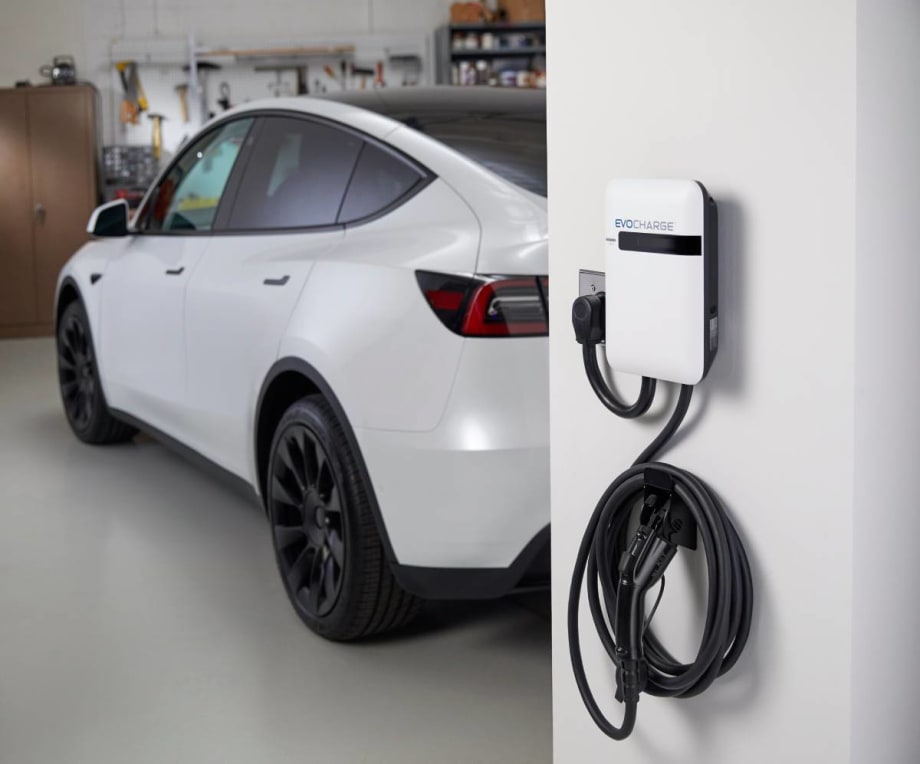
The 40-amp chargers accommodate vehicles with bigger batteries, which is important as auto manufacturers introduce EVs with longer ranges enabled by larger batteries.
Photo: EvoCharge
2 min to read
EvoCharge, a provider of electric vehicle supply equipment and cable management, said Nov. 14 it has launched its line of 40A charging stations for residential home and commercial charing.
Among the features of the new EV chargers, available now:
The 40-amp models charge have a higher power output and can charge up to 30 miles of range per hour.
These new models are equipped with ethernet ports which provide greater security and a hardline connection where WiFi signal is unreliable.
The 40-amp chargers accommodate vehicles with bigger batteries, which is important as auto manufacturers introduce EVs with longer ranges enabled by larger batteries.
Manish Virmani, vice president of sales and marketing for EvoCharge, said in a news release said the equipment “future-proofs their charging stations as EV battery capacities increase.” Just as with the 32-amp products, the new 40-amp units require a 240-volt connection. A 50- amp circuit is recommended for optimal operation; however, the chargers can also be set to limit the power to 16-amps, 24-amps, or 32-amps if the circuit they are installed on cannot deliver the full 40 amps.
The 40-amp chargers feature the same modern, compact design as the EvoCharge 32-amp versions, and are NEMA 4 rated for indoor and outdoor use. They are compatible with the EvoCharge cable retractor for cable management.
The iEVSE Home 40 will be available for use with the EvoCharge smart charging app and web portal, available for Android and Apple devices. The app lets users schedule charging, start/stop charging, and view usage history. In addition, the 40-amp units will be equipped with an ethernet port, offering a higher level of security for owners who prefer to use hardwired communication or have an unreliable WiFi connection.
While 40-amp chargers are more advanced and more powerful, 32-amp chargers are still relevant and will be for many years. 32-amp charging stations provide up to 25 miles per hour charged, which is sufficient for most drivers. The 40-amp models are available from the EvoCharge online store, Amazon, and distributors throughout the US and Canada.
Topics:electric vehiclesEV Charging StationsEvoChargecharging infrastructureGreen FleetFleet Forward
Originally posted on Charged Fleet
More Green Fleet
Sponsored•October 1, 2026
New Propane Autogas Program Offers Fleet Compensation
Qualified commercial fleets can receive $7,500 per eligible propane autogas vehicle and up to $10,000 for new refueling site prep. Learn how the program works and see whether your fleet qualifies.
Read More →
EV Charging Use Is Outpacing Infrastructure Growth
ChargePoint’s 2026 Charging Forward Report points to rising charger use, higher-powered charging, commercial vehicle electrification, and energy-management technology. Here’s what fleets should know.
Read More →
Merchants Fleet Reports 290M EV Miles as Fleets Navigate Changing Electrification Market
From millions in operating savings to hundreds of millions of EV miles, Merchants Fleet’s latest report reveals what’s working and what’s changing in fleet electrification.
Read More →
The EV Breakdown Nobody's Talking About: Why Most Electric Vehicle Roadside Calls Aren't Mechanical Failures
Here's why EV breakdowns are widely misunderstood.
Read More →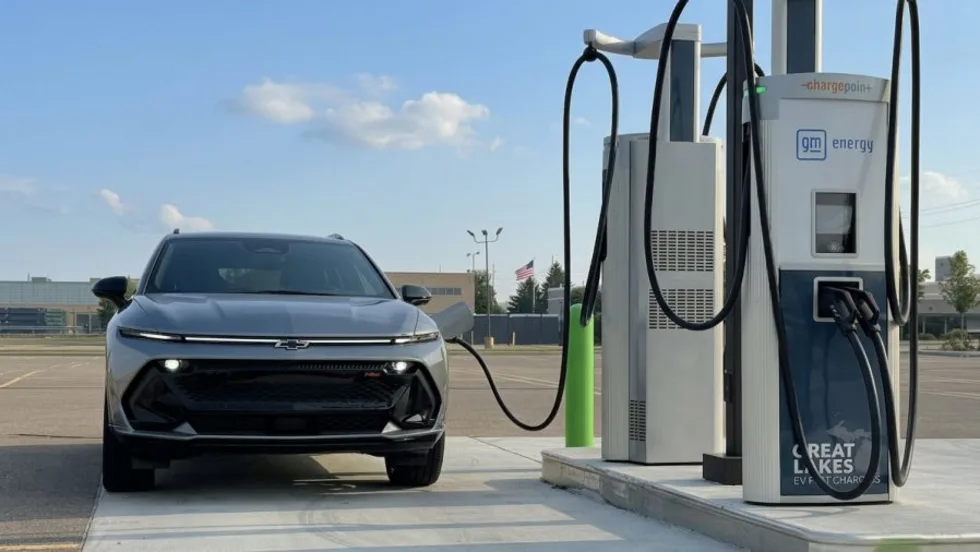
ChargePoint Now Available in Energy Pass
ChargePoint and additional planned charging network integrations were added to GM's Energy Pass.
Read More →

First Look: Slate Auto's Electric Fleet Pickup
Could an affordable, modular EV pickup make electrification more practical for fleets?
Read More →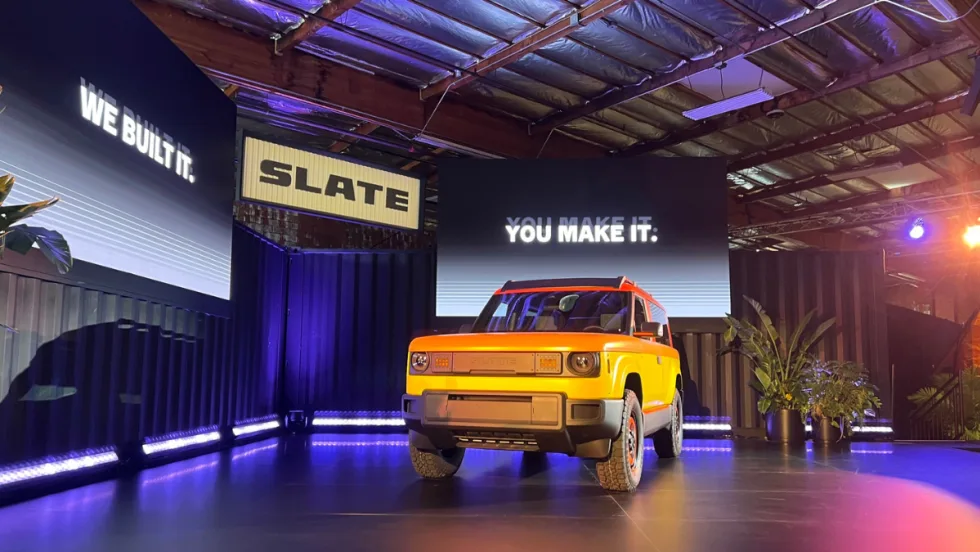
Slate Debuts Colorful, Unique EV Models
A recent media and client event, studded with electric vehicles dressed up on platforms, planted a new position for the manufacturer in the wider EV market. Fleets will find cost-saving advantages.
Read More →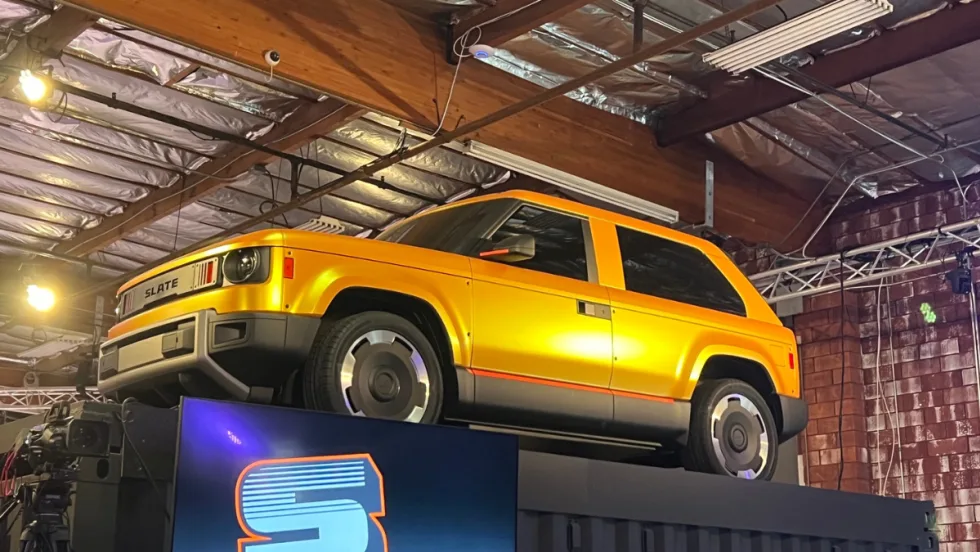
Slate Electric SUV, Pickup Switchable Model Aims For Light-Duty Fleets
Everything about this EV is counterintuitive and understated, making it stand out from the crowd.
Read More →
Inspiration Mobility Acquires Key Electrada Assets
Inspiration Mobility Group has acquired select assets of Electrada, adding the fleet electrification provider's team, technology, and charging infrastructure development capabilities to its energy management business.
Read More →