




EV Startup Intends to Rival Tesla Motors
New electric vehicle startup Faraday Future hopes to rival Tesla in the battle for best luxury EV by investing $1 billion in a U.S. manufacturing facility.

Photo courtesy of Faraday Future.

Photo courtesy of Faraday Future.
Faraday Future (FF), a new electric vehicle and future mobility startup company based in Gardena, Calif., will invest $1 billion in a U.S. manufacturing facility, the company has announced.
FF plans to sell a single high-end model starting in 2017, and then follow that with a wider selection of potentially more affordable electric vehicles. The company is also considering subscription or shared ownership services, reports The Los Angeles Times.
Nick Sampson, a senior vice president of FF, would only reveal that the new car would include self-driving functionality.
The new company, which includes former senior employees of Tesla Motors, is tied to a Chinese billionaire who remains nameless. The company has declined to identify its ownership and investors, according to the Times report.
However, incorporation papers filed with the California secretary of state's office suggest that Faraday is linked to a Chinese media company operated by entrepreneur Jia Yueting, founder of Leshi Internet Information & Technology. Forbes states that Jia is worth $7.3 billion as of Nov. 6, making him the 17th richest person in China.
The company currently has about 400 workers and is situated in Nissan's former U.S. sales office, but is looking at factory locations including California, Georgia, Louisiana and Nevada, according to its release.
More Green Fleet

EV Charging Use Is Outpacing Infrastructure Growth
ChargePoint’s 2026 Charging Forward Report points to rising charger use, higher-powered charging, commercial vehicle electrification, and energy-management technology. Here’s what fleets should know.
Read More →
Merchants Fleet Reports 290M EV Miles as Fleets Navigate Changing Electrification Market
From millions in operating savings to hundreds of millions of EV miles, Merchants Fleet’s latest report reveals what’s working and what’s changing in fleet electrification.
Read More →
The EV Breakdown Nobody's Talking About: Why Most Electric Vehicle Roadside Calls Aren't Mechanical Failures
Here's why EV breakdowns are widely misunderstood.
Read More →
ChargePoint Now Available in Energy Pass
ChargePoint and additional planned charging network integrations were added to GM's Energy Pass.
Read More →
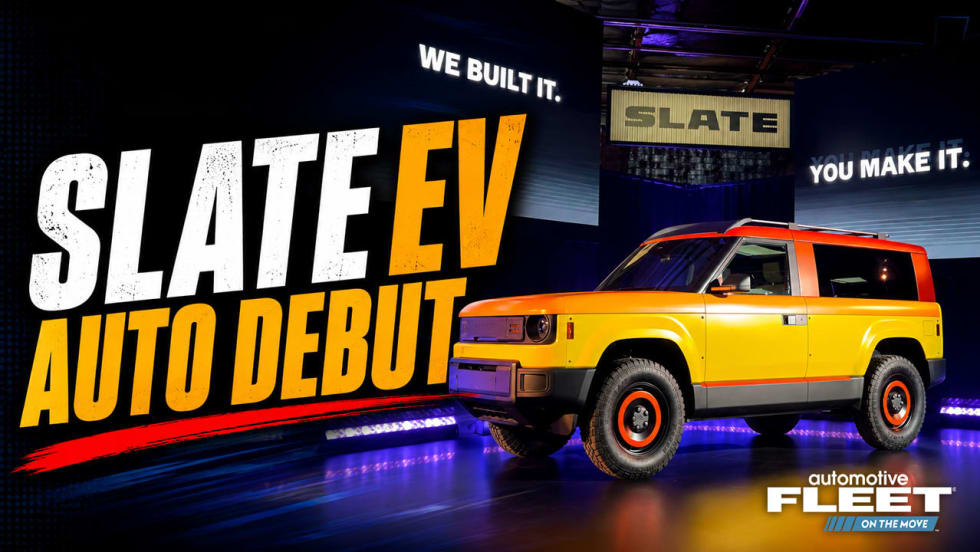
First Look: Slate Auto's Electric Fleet Pickup
Could an affordable, modular EV pickup make electrification more practical for fleets?
Read More →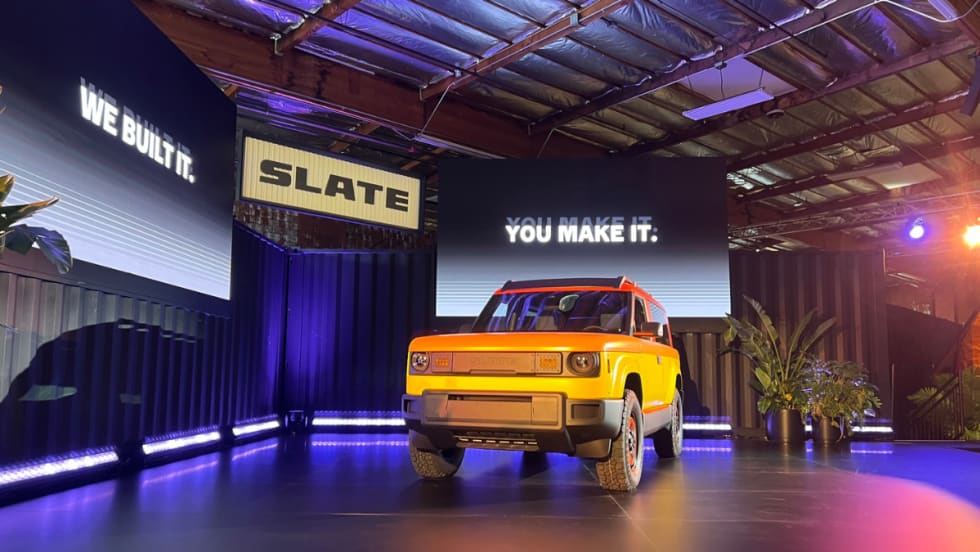
Slate Debuts Colorful, Unique EV Models
A recent media and client event, studded with electric vehicles dressed up on platforms, planted a new position for the manufacturer in the wider EV market. Fleets will find cost-saving advantages.
Read More →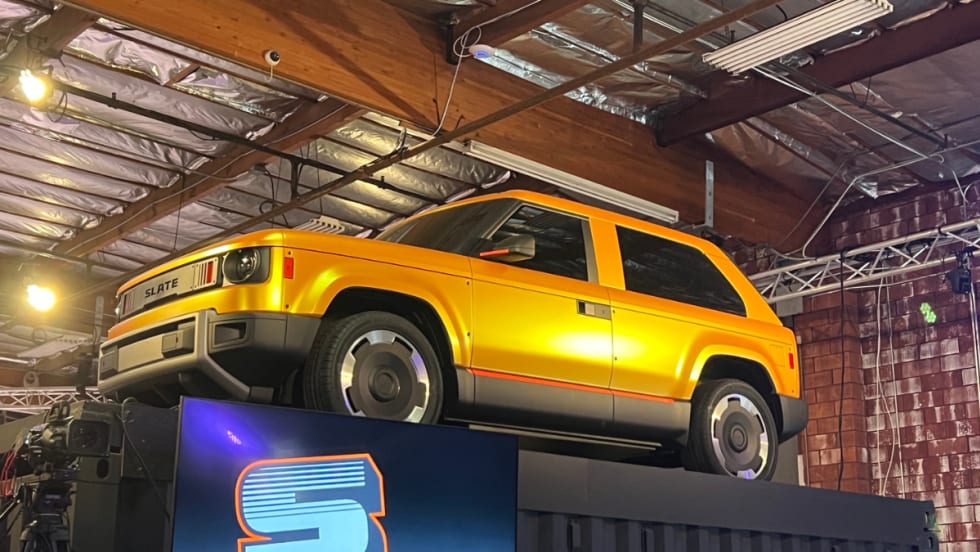
Slate Electric SUV, Pickup Switchable Model Aims For Light-Duty Fleets
Everything about this EV is counterintuitive and understated, making it stand out from the crowd.
Read More →
Inspiration Mobility Acquires Key Electrada Assets
Inspiration Mobility Group has acquired select assets of Electrada, adding the fleet electrification provider's team, technology, and charging infrastructure development capabilities to its energy management business.
Read More →
Turning Connected Vehicle Data Into Decisions That Matter
Fleet leaders have more data than ever, but turning that data into clear, actionable decisions remains a challenge. This white paper shows how leading organizations are using connected vehicle data to improve safety, reduce costs, and optimize fleet performance. Learn how to turn insight into action across your fleet.
Read More →