




EPA Tightens Vehicle Emission and Fuel Standards
The U.S. Environmental Protection Agency (EPA) has raised standards for new-vehicle emissions and required lower sulfur content for gasoline beginning in 2017 under its Tier 3 regulation, the agency announced Monday.
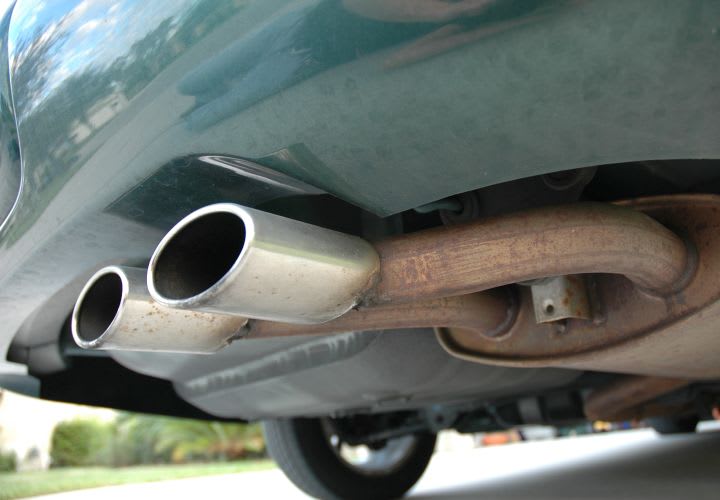
Photo via Wikimedia.
Photo via Wikimedia.
The U.S. Environmental Protection Agency (EPA) has raised standards for new-vehicle emissions and required lower sulfur content for gasoline beginning in 2017 under its Tier 3 regulation, the agency announced Monday.
Under the Tier 3 program, gasoline must not contain more than 10 parts per million (ppm) of sulfur on an annual average basis by Jan. 1, 2017. This is a decrease from 30 ppm, as set in the EPA's Tier 2 regulations. The EPA is also finalizing standards that maintain the current 80 ppm refinery gate and 95 ppm downstream cap. The agency says the sulfur standard is similar to levels already being achieved in California, Europe, Japan, and South Korea.
The EPA is also setting tailpipe standards for the sum of non-methane organic gases (NMOG) and nitrogen oxides (NOX). Compared to current standards, the NMOG and NOX tailpipe standards for light-duty vehicles represent approximately an 80% reduction from today's fleet average and a 70% reduction in per-vehicle particulate matter (PM) standards. The heavy-duty tailpipe standards represent about a 60% reduction in both fleet average NMOG plus NOX and per-vehicle PM standards.
The tailpipe standards include different phase-in schedules that vary by vehicle class but generally phase in between model years 2017 and 2025. Credits are available for early compliance, and automakers have the ability to offset some higher-emitting vehicles with extra-clean models.
The EPA projects the Tier 3 program to cost less than a penny per gallon of gasoline, and about $72 per vehicle. The annual cost of the overall program in 2030 is projected to be approximately $1.5 billion, about half the cost projected in the proposal.
However, the EPA estimates that in 2030 the annual monetized health benefits of the standards will be between $6.7 and $19 billion. It is expected to prevent between 770 and 2,000 premature deaths annually, as well as many other health problems.
The Alliance of Automotive Manufacturers, an association of 12 OEMs that include Chrysler, Ford, and GM, said the Tier 3 standards would require large investments from manufacturers and that engineers are facing a big challenge to reduce emissions even further. However, the alliance stated that harmonizing the standard with California's standard would benefit consumers.
The Association of Global Automakers, representing 12 auto manufacturers, praised the EPA for the Tier 3 rule.
While both auto manufacturer groups were happy with the sulfur rule, stating that it would reduce emissions for vehicles already on the road, the oil industry had a different opinion.
The American Petroleum Institute, a trade association representing the oil and natural gas industry, called the sulfur standard "costly and counterproductive." In a release, the trade association said this would equate to "a potential cost increase of between six and nine cents per gallon of gasoline produced."
Tier 3 is designed to be implemented over the same timeframe as EPA's program for reducing greenhouse gas (GHG) emissions from light-duty vehicles starting in model-year 2017.
Details can be found here.
More Green Fleet
New Propane Autogas Program Offers Fleet Compensation
Qualified commercial fleets can receive $7,500 per eligible propane autogas vehicle and up to $10,000 for new refueling site prep. Learn how the program works and see whether your fleet qualifies.
Read More →
EV Charging Use Is Outpacing Infrastructure Growth
ChargePoint’s 2026 Charging Forward Report points to rising charger use, higher-powered charging, commercial vehicle electrification, and energy-management technology. Here’s what fleets should know.
Read More →
Merchants Fleet Reports 290M EV Miles as Fleets Navigate Changing Electrification Market
From millions in operating savings to hundreds of millions of EV miles, Merchants Fleet’s latest report reveals what’s working and what’s changing in fleet electrification.
Read More →
The EV Breakdown Nobody's Talking About: Why Most Electric Vehicle Roadside Calls Aren't Mechanical Failures
Here's why EV breakdowns are widely misunderstood.
Read More →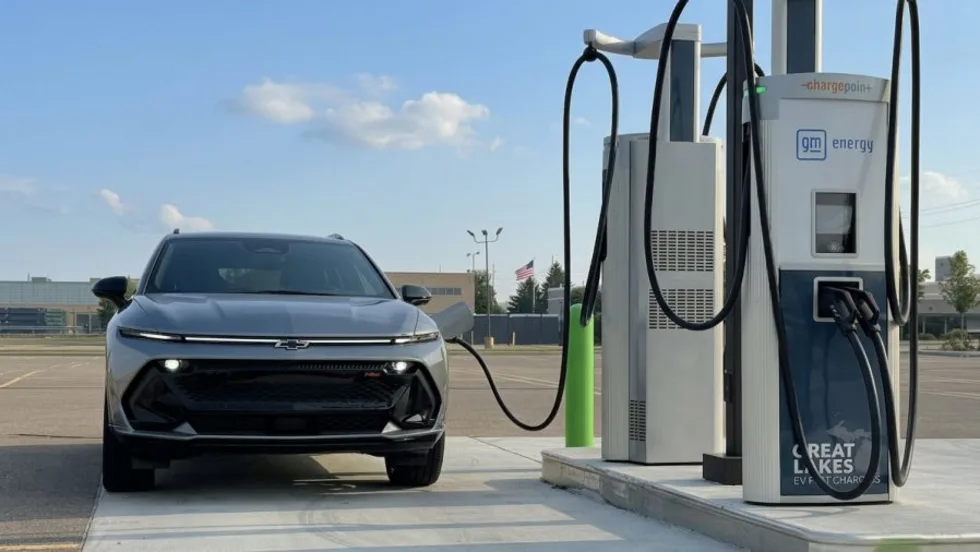
ChargePoint Now Available in Energy Pass
ChargePoint and additional planned charging network integrations were added to GM's Energy Pass.
Read More →
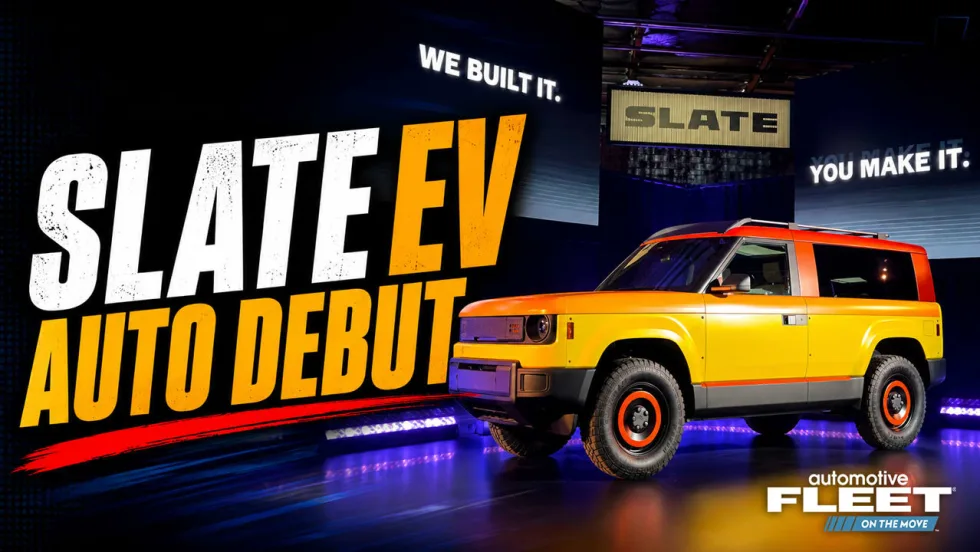
First Look: Slate Auto's Electric Fleet Pickup
Could an affordable, modular EV pickup make electrification more practical for fleets?
Read More →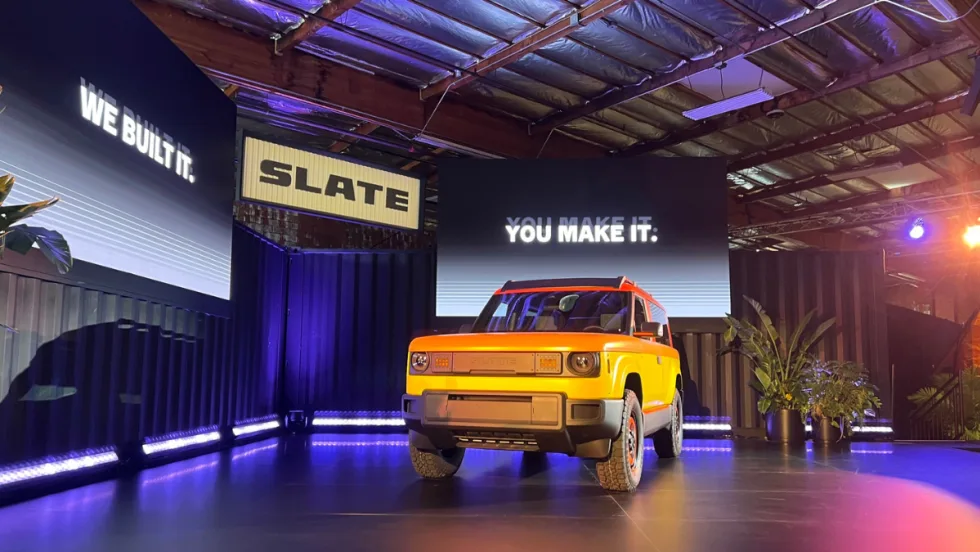
Slate Debuts Colorful, Unique EV Models
A recent media and client event, studded with electric vehicles dressed up on platforms, planted a new position for the manufacturer in the wider EV market. Fleets will find cost-saving advantages.
Read More →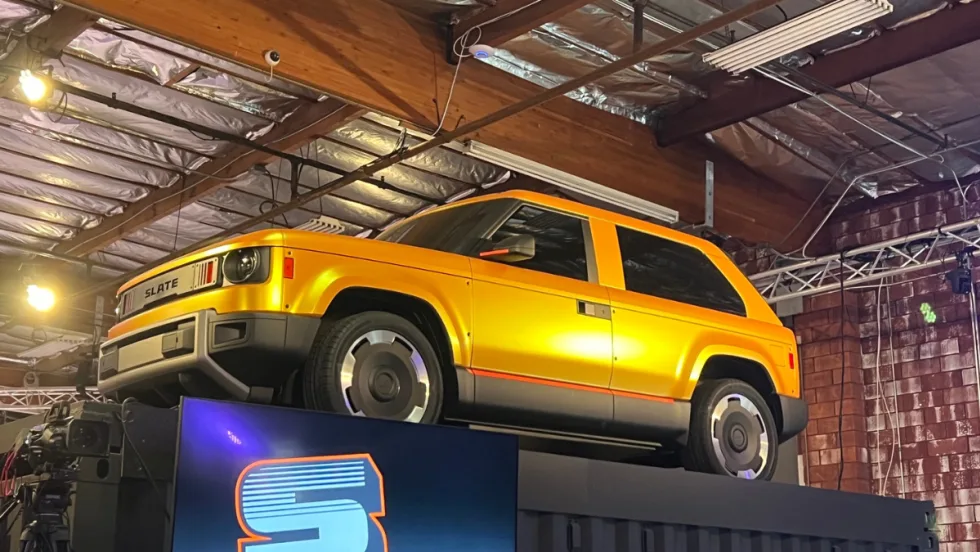
Slate Electric SUV, Pickup Switchable Model Aims For Light-Duty Fleets
Everything about this EV is counterintuitive and understated, making it stand out from the crowd.
Read More →
Inspiration Mobility Acquires Key Electrada Assets
Inspiration Mobility Group has acquired select assets of Electrada, adding the fleet electrification provider's team, technology, and charging infrastructure development capabilities to its energy management business.
Read More →