




EPA Chief Vows to ‘De-Diesel’ Air
Diesel smoke is about to go the way of the rumble seat, the nation's top environmental officer told a Phoenix audience Oct. 27, according to the Arizona Republic newspaper.
Diesel smoke is about to go the way of the rumble seat, the nation's top environmental officer told a Phoenix audience Oct. 27, according to the Arizona Republic newspaper. “Within a decade, we will rarely ever see that black puff of diesel smoke,” Mike Leavitt, administrator of the U.S. Environmental Protection Agency, said at a clean-air awards ceremony. That means cleaner air and fewer health problems from diesel emissions, both in Phoenix and nationally. Leavitt was a high-profile and last-minute addition to the Clean Air Campaign's annual awards bash, at which local companies are recognized for efforts to reduce driving. He touted the non-road diesel rule, which he signed in April, as paving the way for a phase out over the next decade of the obnoxious smoke and smell created by diesel engines used in locomotives, boats, and construction equipment. The reforms follow diesel clean-up regulations started under the Clinton administration, and supported by the Bush administration, to reduce the sulfur content in diesel fuel. The improvements will begin in 2007 and play out over the next decade, Leavitt said. Leavitt lauded the collaborative work done by local groups to cut urban air pollution, such as the carpool, vanpool, transit, and telework options. “Clean air is a national success story,” he told the audience of Phoenix-area employers and government officials. "The air is cleaner today than it was a year ago." But the local Sierra Club issued a news release giving Leavitt a “Smoggy” award for Bush administration policies that the club believes roll back progress on air quality. “Carpools will not be enough to clean up industrial haze at the Grand Canyon, reduce mercury in the air, or reduce the brown clouds over Phoenix and Tucson,” Sierra Club representative Rob Smith stated in a news release. The Sierra Club and other environmental groups have been critical of a Bush initiative that would scrap existing Clean Air Act rules on power plants and replace them with a rule that administration officials say will lead power plants to cut their overall emissions by 70 percent. But Leavitt said that rule, called the Clean-Air Interstate Rule, is a collaborative solution that will do more to cut power-plant emissions than suing power plants one at a time for failing to meet existing laws. He said he intends to sign that rule later this year.
More Operations
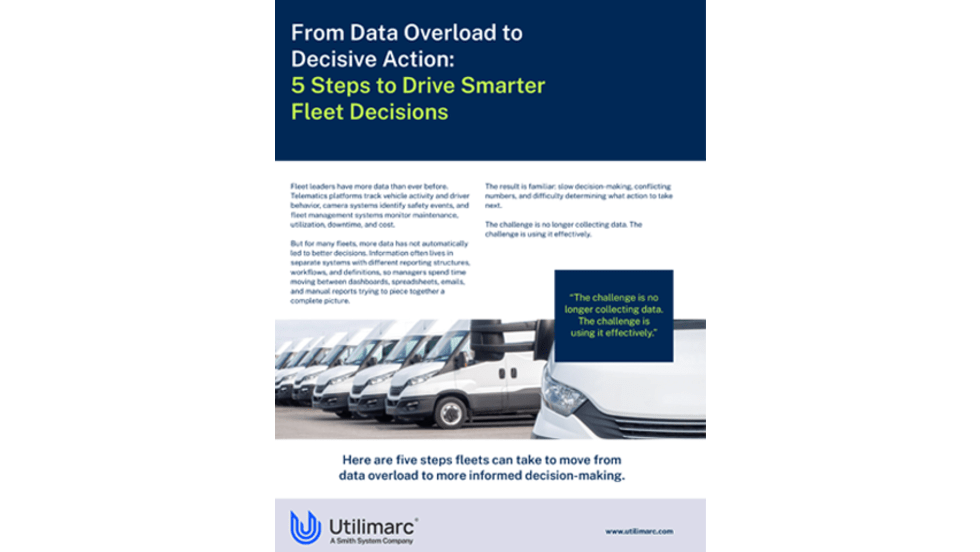
Turn Fleet Data Into Smarter Decisions
Fleet leaders have access to more operational data than ever, but disconnected systems and unclear metrics often slow decision-making instead of improving it. This article outlines five practical steps fleets can take to transform fragmented data into actionable insights that improve planning, safety, utilization, and long-term performance.
Read More →
Hybrids: Electrification Without the Challenges
For fleet managers, fuel is one of the biggest line items in the budget — and it's one hybrids can shrink without changing how your people work. Download the eBook to see the numbers, understand the technology, and get a step-by-step guide to making the switch.
Read More →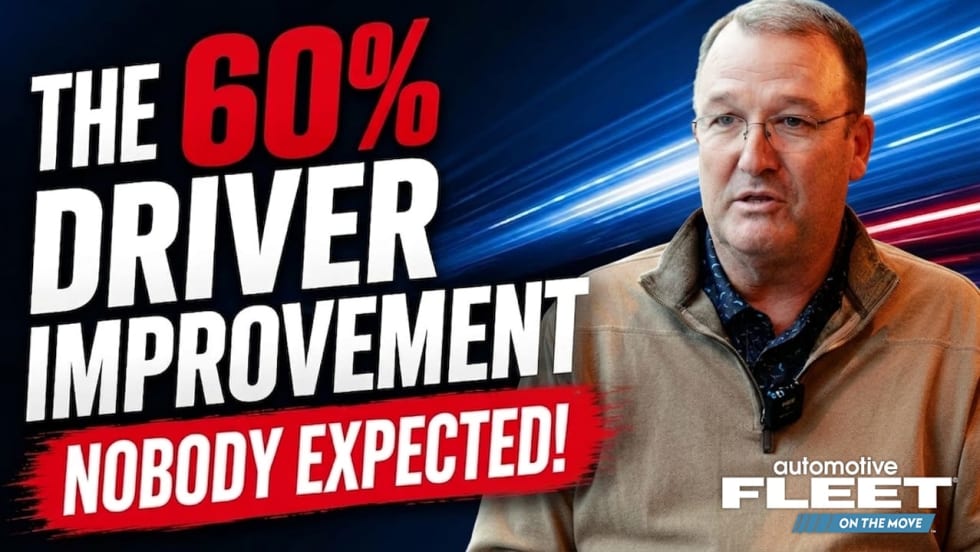
How NOV Uses Telematics to Improve Fleet Safety Across 160 Locations
James Victory of NOV discusses how the company manages fleet safety, maintenance, and telematics across more than 150 locations supporting oilfield operations throughout the U.S.
Read More →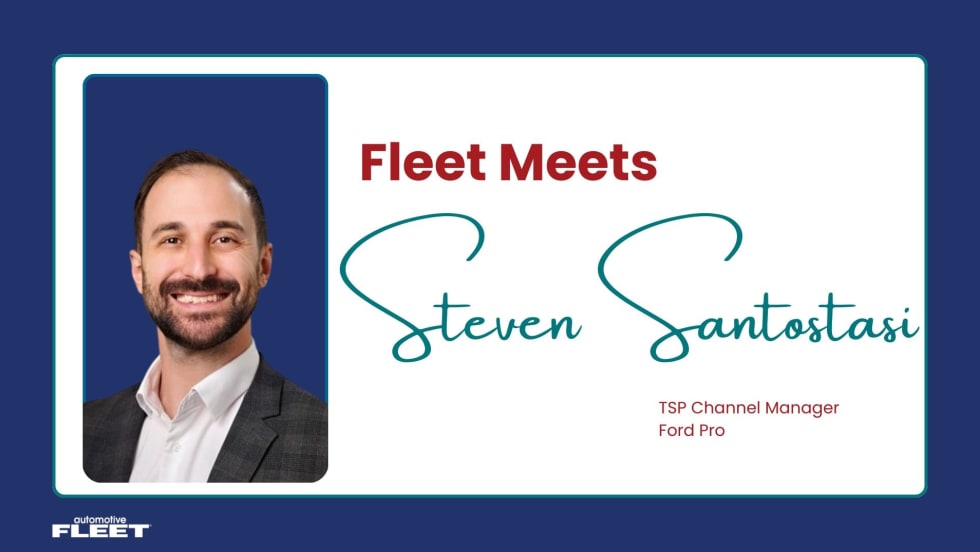
Fleet Meets: Steven Santostasi
This edition of the Fleet Meets series features Steven Santostasi, the current TSP channel manager for Ford Pro.
Read More →
Why Fleet Managers Are Replacing Departmental Vehicles with Shared Motor Pools
Departmentally assigned vehicles often create hidden costs through underutilization, poor visibility, and increased administrative burden. This white paper explores how shared motor pool strategies help fleets reduce costs, improve accountability, and optimize vehicle utilization.
Read More →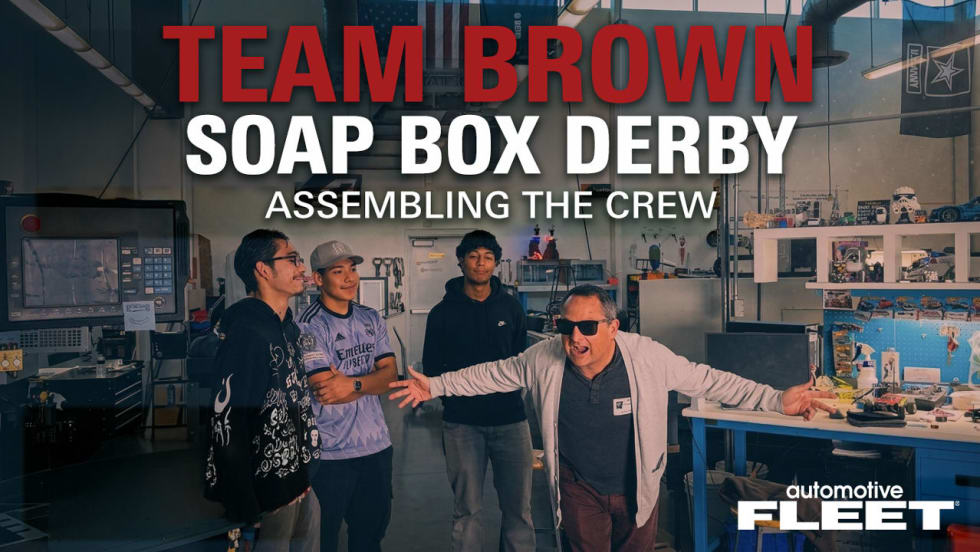
Soap Box Derby Challenge: Assembling the Crew
Meet Gabriel, Matthew, and Angel — the team helping bring this soap box derby build to life.
Read More →
BBL Fleet Acquires Velcor Leasing Corporation
BBL Fleet expanded its footprint in the fleet management industry with the acquisition of Velcor Leasing Corporation of Madison through a stock purchase agreement finalized Feb. 27, 2026.
Read More →
Lytx Introduces New AI Fleet Technologies at Protect 2026
The company introduced new AI-driven fleet safety and operations technologies during its annual user conference.
Read More →
Fleet Costs Are Rising: Here’s How Leaders Are Responding
Fleet leaders are under pressure to reduce costs, adapt to economic uncertainty, and make smarter decisions. See how peers across North America are responding with real data, proven strategies, and forward-looking insights. Download the 2026 Market Pulse Report to benchmark your strategy and uncover where you can gain an edge.
Read More →
From Waffle House to AI: Fleet Trends You Need to Know
In this AF news recap, host Faith Howell covers how Waffle House stepped up during disaster response and new AI tech on the market.
Read More →