




EPA: Automakers Exceeded Tailpipe Emissions Standards
Automakers mostly exceeded 2012 federal tailpipe emissions standards in the first year of the program with only Jaguar Range Rover falling short, according to an EPA report.

Photo via freefoto.com.

Photo via freefoto.com.
Automakers mostly exceeded 2012 federal tailpipe emissions standards in the first year of the program with only Jaguar Range Rover falling short, according to an EPA report.
Overall, 2012 model-year light-duty vehicles sold in the U.S. produced an average of 286 grams of greenhouse gas (GHG) per mile, or 9.8 grams better than the 2012 standards required.
On average, vehicles reduced GHG emissions by 22 grams per mile over 2011 model-year vehicles. Compared to five years ago, there are twice as many sport utility vehicles and small trucks that achieve more than 25 miles per gallon and seven times as many cars at 40 mpg or higher.
Jaguar Range Rover was the only automaker who fell short of having enough credits to transfer into 2013 from earlier model years. The company fell short by 424,032 credits; each credit equates to 1 ton of carbon dioxide.
The automakers who finished the 2012 model year with the most emissions credits to transfer to 2013 included Toyota, Honda, General Motors, Ford, and Nissan. Rounding out the top 10 were Chrysler, Subaru, Mazda, Volkswagen and Mitsubishi.
The emissions compliance period covers 2012 to 2016. Read the full report here.
More Green Fleet
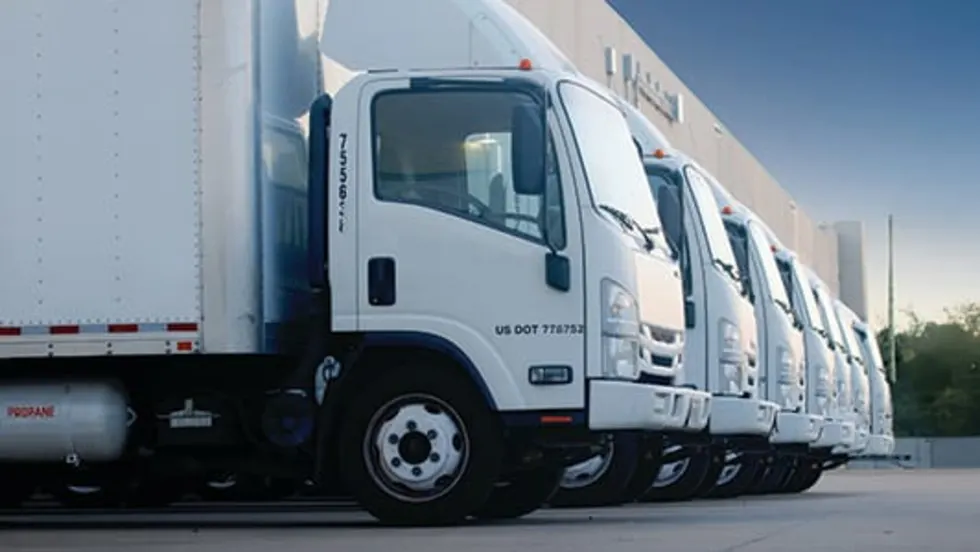
New Propane Autogas Program Offers Fleet Compensation
Qualified commercial fleets can receive $7,500 per eligible propane autogas vehicle and up to $10,000 for new refueling site prep. Learn how the program works and see whether your fleet qualifies.
Read More →
EV Charging Use Is Outpacing Infrastructure Growth
ChargePoint’s 2026 Charging Forward Report points to rising charger use, higher-powered charging, commercial vehicle electrification, and energy-management technology. Here’s what fleets should know.
Read More →
Merchants Fleet Reports 290M EV Miles as Fleets Navigate Changing Electrification Market
From millions in operating savings to hundreds of millions of EV miles, Merchants Fleet’s latest report reveals what’s working and what’s changing in fleet electrification.
Read More →
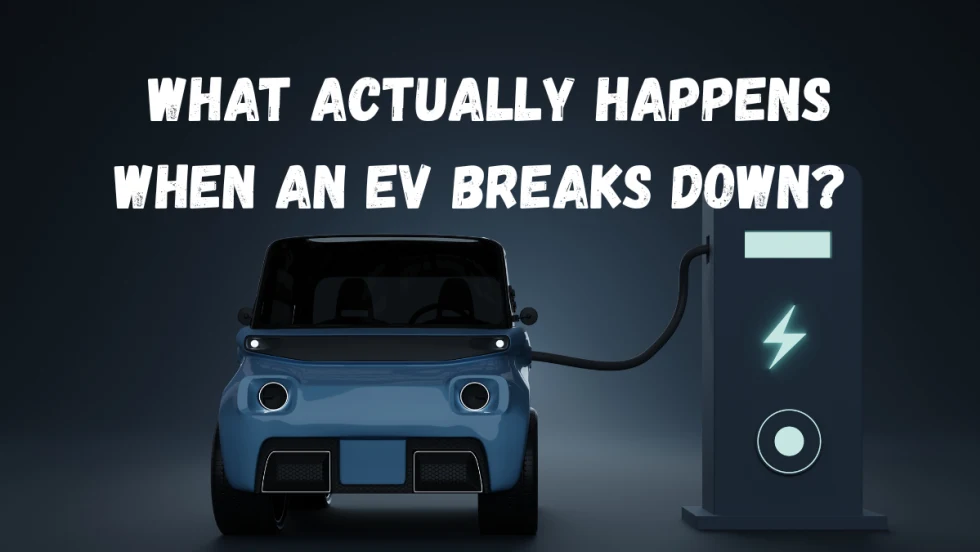
The EV Breakdown Nobody's Talking About: Why Most Electric Vehicle Roadside Calls Aren't Mechanical Failures
Here's why EV breakdowns are widely misunderstood.
Read More →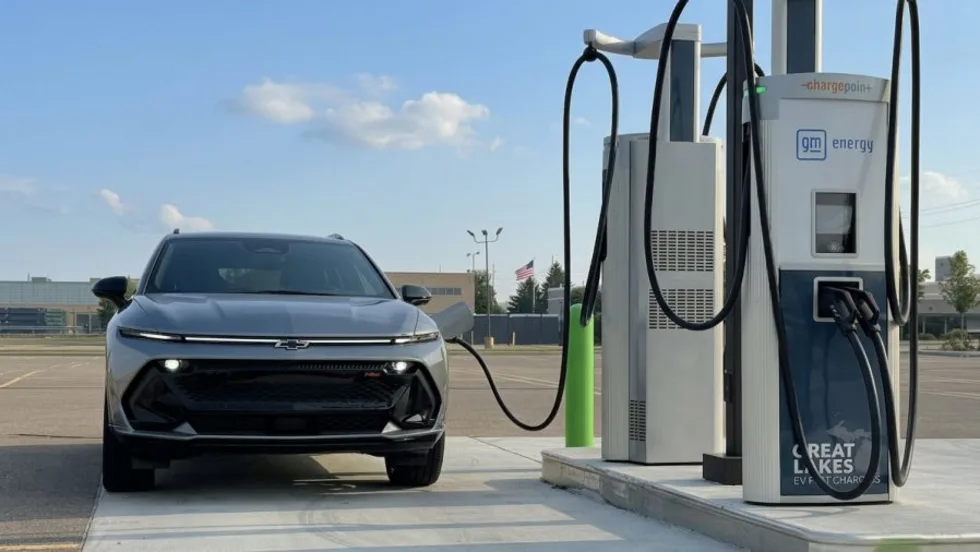
ChargePoint Now Available in Energy Pass
ChargePoint and additional planned charging network integrations were added to GM's Energy Pass.
Read More →

First Look: Slate Auto's Electric Fleet Pickup
Could an affordable, modular EV pickup make electrification more practical for fleets?
Read More →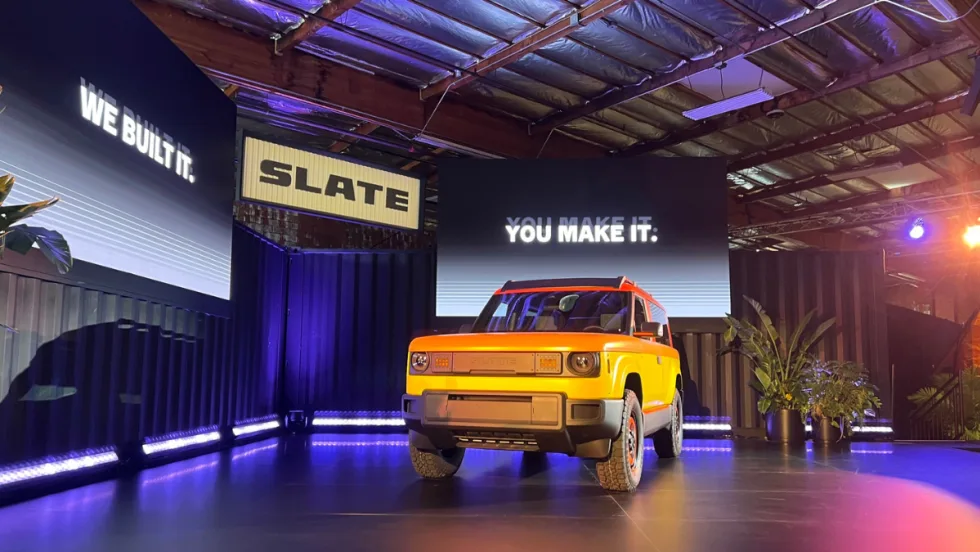
Slate Debuts Colorful, Unique EV Models
A recent media and client event, studded with electric vehicles dressed up on platforms, planted a new position for the manufacturer in the wider EV market. Fleets will find cost-saving advantages.
Read More →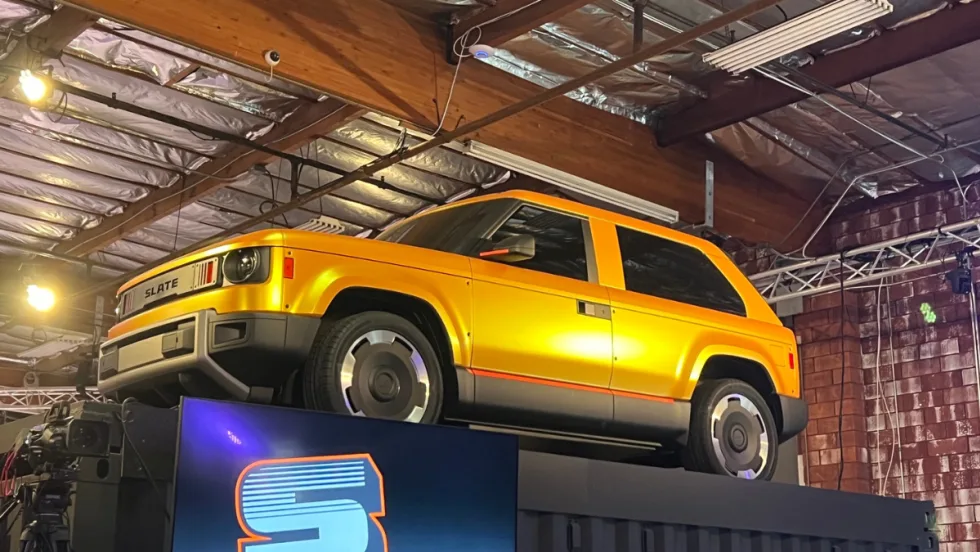
Slate Electric SUV, Pickup Switchable Model Aims For Light-Duty Fleets
Everything about this EV is counterintuitive and understated, making it stand out from the crowd.
Read More →
Inspiration Mobility Acquires Key Electrada Assets
Inspiration Mobility Group has acquired select assets of Electrada, adding the fleet electrification provider's team, technology, and charging infrastructure development capabilities to its energy management business.
Read More →