




EPA Approves ROUSH Propane Fuel System
LIVONIA, MI - ROUSH Performance said it received word from the U.S. EPA that the company's 2010 E-150, E-250 and E-350 propane fuel conversion system has met emission regulatory requirements established by the government agency.
LIVONIA, MI - ROUSH Performance said it received word from the U.S. EPA that the company's 2010 E-150, E-250 and E-350 propane fuel conversion system has met emission regulatory requirements established by the government agency.
This means that the 2010 ROUSH E-150, E-250 and E-350 LPI system conforms to the federal emissions standards in place for the control of air pollution from new motor vehicles. These ROUSH vehicles are now certified to be sold anywhere in the country, with the exception of California and those states that have adopted the California Air Resources Board (CARB) certification standards. CARB certification is currently pending, as is EPA approval for other additional model year vans. Production and shipment of conversion systems and of ROUSH-built vehicles can commence immediately, the company said.
The EPA certification covers the 2010 model year Ford E-150, E-250 and E-350 cargo vans, wagons and certain cutaway configurations with a GVWR of up to 10,000 pounds (the Heavy Duty Vehicle 1 classification), using the Ford 5.4L, 2V V-8 engine. Vehicles can be ordered with the conversion performed at the ROUSH vehicle assembly facility in Livonia, Mich., or a conversion system can be ordered and installed by a qualified up fitter on an existing vehicle meeting the appropriate configuration standards.
The purchase of propane-powered vehicles is eligible for a variety of federal, state and municipal tax credits or rebates. The Qualified Alternative Fuel Motor Vehicle (QAFMV) federal tax credit is available to be applied toward the purchase of vehicles that have been repowered to operate on an alternative fuel.
The ROUSH propane-powered E-150, E-250 and E-350 system was calibrated and certified to stricter emissions standards than the EPA mandated for vehicles of its class. That means the QAFMV tax credit can cover 80 percent of the incremental cost to convert certain models, up to an $8,000 cap for qualified buyers.
As an alternative fuel, propane offers a variety of advantages. Propane burns cleaner than gasoline or diesel, with up to 20 percent less nitrogen oxide, up to 60 percent less carbon monoxide, 24 percent fewer greenhouse gas emissions, and fewer particulate emissions when compared to gasoline. It is already the third most widely used fuel worldwide, following gasoline and diesel. Propane also plays a strong role in lowering national dependence on foreign oil, since 90 percent of the propane used today comes from domestic sources of production.
For more information, visit www.SwitchToPropane.com.
More Green Fleet
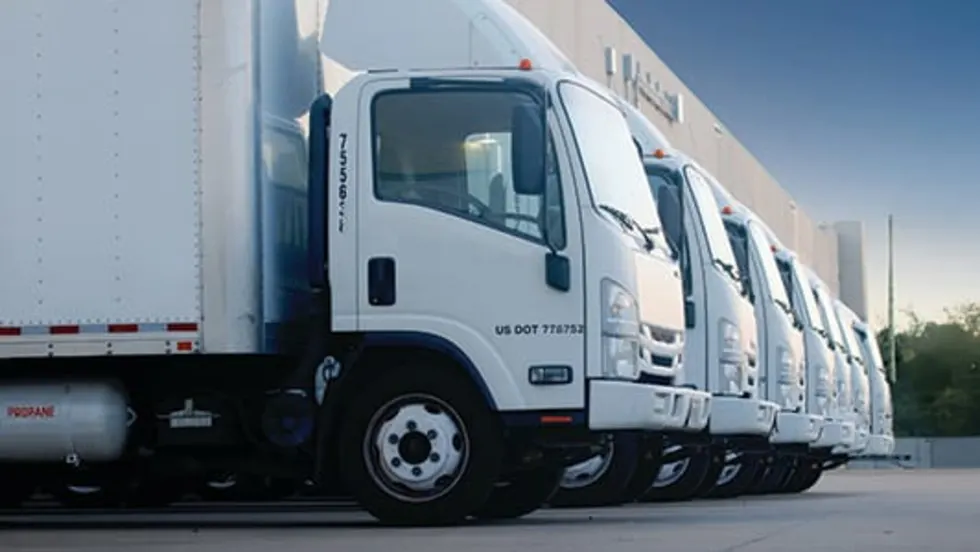
New Propane Autogas Program Offers Fleet Compensation
Qualified commercial fleets can receive $7,500 per eligible propane autogas vehicle and up to $10,000 for new refueling site prep. Learn how the program works and see whether your fleet qualifies.
Read More →
EV Charging Use Is Outpacing Infrastructure Growth
ChargePoint’s 2026 Charging Forward Report points to rising charger use, higher-powered charging, commercial vehicle electrification, and energy-management technology. Here’s what fleets should know.
Read More →
Merchants Fleet Reports 290M EV Miles as Fleets Navigate Changing Electrification Market
From millions in operating savings to hundreds of millions of EV miles, Merchants Fleet’s latest report reveals what’s working and what’s changing in fleet electrification.
Read More →

The EV Breakdown Nobody's Talking About: Why Most Electric Vehicle Roadside Calls Aren't Mechanical Failures
Here's why EV breakdowns are widely misunderstood.
Read More →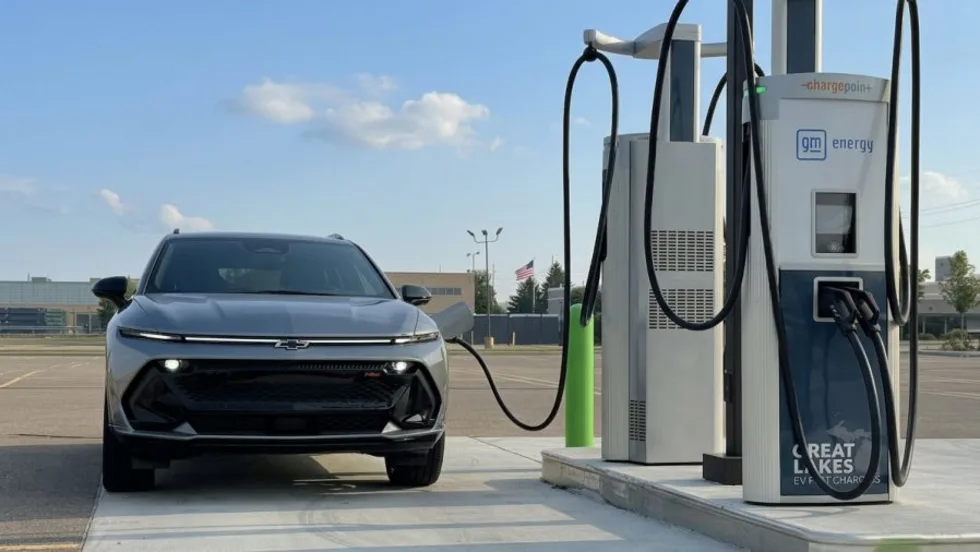
ChargePoint Now Available in Energy Pass
ChargePoint and additional planned charging network integrations were added to GM's Energy Pass.
Read More →

First Look: Slate Auto's Electric Fleet Pickup
Could an affordable, modular EV pickup make electrification more practical for fleets?
Read More →
Slate Debuts Colorful, Unique EV Models
A recent media and client event, studded with electric vehicles dressed up on platforms, planted a new position for the manufacturer in the wider EV market. Fleets will find cost-saving advantages.
Read More →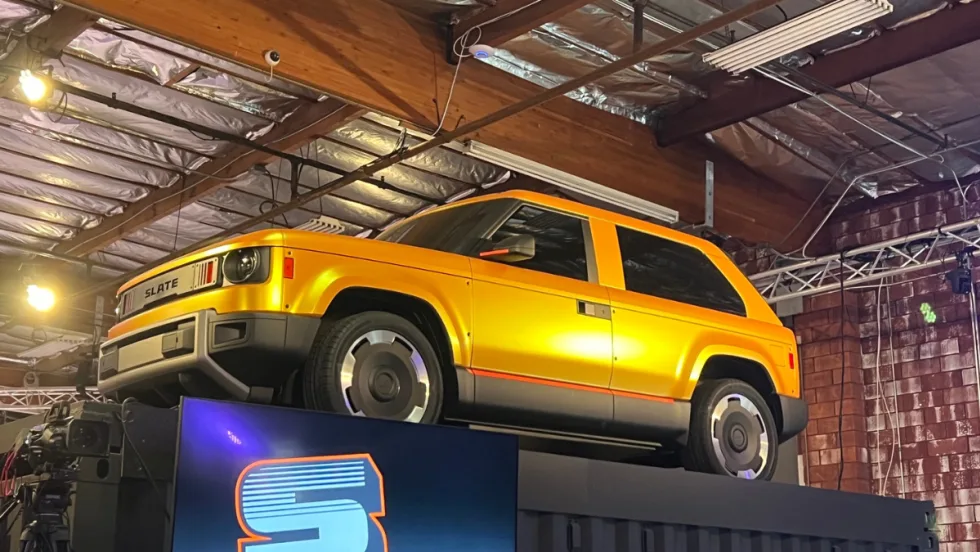
Slate Electric SUV, Pickup Switchable Model Aims For Light-Duty Fleets
Everything about this EV is counterintuitive and understated, making it stand out from the crowd.
Read More →
Inspiration Mobility Acquires Key Electrada Assets
Inspiration Mobility Group has acquired select assets of Electrada, adding the fleet electrification provider's team, technology, and charging infrastructure development capabilities to its energy management business.
Read More →