





Related: Reassessing Fleet Electrification After a Disruptive Year
EPA Announces Final Auto Emissions Standards: Industry Reacts
The new rule slows the implementation of last year’s proposed stricter pollution standards from 2027 through 2029 but ramps up to nearly the level the EPA had proposed by 2032.
March 20, 2024
Under the final rule, the industry could meet the limits if 56% of all light-duty vehicle sales are electric by 2032, lessening from last year’s 67% sales target.
Photo: Automotive Fleet
5 min to read
On March 20, the U.S. Environmental Protection Agency announced final national pollution standards for passenger cars, light-duty trucks, and medium-duty vehicles for model years 2027 through 2032 and beyond.
The “Multi Pollutant Emissions Standards for Model Years 2027 and Later Light-Duty and Medium-Duty Vehicles,” follow EPA’s existing emissions standards for passenger cars and light trucks for model years 2023 through 2026.
The new rule slows the implementation of last year’s proposed stricter pollution standards from 2027 through 2029 but ramps up to nearly the level the EPA had proposed by 2032.
Under the final rule, the industry could meet the limits if 56% of all light-duty vehicle sales are electric by 2032, lessening from last year’s 67% sales target. That 56% of sales includes at least 13% target for hybrids and plug-in hybrids, as well as more efficient internal-combustion-engine (ICE) vehicles that get more miles to the gallon.
The rule does not ban (ICE) vehicles but would result in heavy financial penalties for automakers that do not meeting emissions targets.
The finalized rule softens the original proposed framework by adding three years to the phase-in of the new rule, which in essence would allow manufacturers to build more ICE vehicles through 2030 while still meeting the Corporate Average Fuel Economy requirements.
The rule is calculated using the Petroleum-Equivalent Fuel Economy Calculation (PEF).
“EPA’s analysis considers a broad suite of available emission control technologies, and projects that consumers will continue to have a wide range of vehicle choices under the final rule, including advanced gasoline vehicles, hybrids, plug-in hybrid electric vehicles, and full battery electric vehicles,” the agency said in a statement.
Compared to the existing MY 2026 standards, the final MY 2032 standards represent a nearly 50% reduction in projected fleet average GHG emissions levels for light-duty vehicles and 44% reductions for medium-duty vehicles.
Auto Industry Reacts to Updated Emission Standards
Here is a snapshot of reactions from cross sectors of the automotive industry on the finalized rules:
“The future is electric. Automakers are committed to the EV transition – investing enormous amounts of capital and building cutting edge battery electric vehicles, plug-in hybrids, traditional hybrids, and fuel cell vehicles that drive efficiency and convert petroleum miles to electric miles,” said John Bozzella, President and CEO, Alliance for Automotive Innovation.
“Consumers have tons of choices. But pace matters. Moderating the pace of EV adoption in 2027, 2028, 2029 and 2030 was the right call because it prioritizes more reasonable electrification targets in the next few (very critical) years of the EV transition.
These adjusted EV targets — still a stretch goal — should give the market and supply chains a chance to catch up. It buys some time for more public charging to come online, and the industrial incentives and policies of the Inflation Reduction Act to do their thing. And the big one? The rules are mindful of the importance of choice to drivers and preserves their ability to choose the vehicle that’s right for them.”
“It is disappointing that the Biden Administration continues to be actively working against its stated goal of, ‘equipping the American middle class to succeed,’” said David Holt, president of the Consumer Energy Alliance, a non-profit funded by BP, ExxonMobil, Shell, and the American Petroleum Institute.
“While electric vehicles clearly have a role in our vehicle mix, the middle class cannot succeed with the EPA forcing an unworkable, expensive EV quota on working-class families. State mandates have not led to widespread public adoption of EVs – sales are actually on the decline. The lack of electric grid and charging infrastructures, long recharge times, high EV costs and governmental failure to ensure U.S. critical mineral supplies are all challenges that won’t be solved anytime soon.”
Statement from United Automobile Workers: “The EPA has made significant progress on its final greenhouse gas emissions rule for light-duty vehicles. By taking seriously the concerns of workers and communities, the EPA has come a long way to create a more feasible emissions rule that protects workers building ICE vehicles, while providing a path forward for automakers to implement the full range of automotive technologies to reduce emissions.”
“Under the EPA’s updated clean car standards, more vehicle pollution will be avoided and more lives saved than would have been under current regulations. That is important to celebrate,” said senior policy advocate Chelsea Hodgkins of Public Citizen, a government watchdog group.
"But this rule falls far short of what is needed to protect public health and our planet. EPA is giving automakers a pass to continue producing polluting vehicles.
"We are in a crisis, and clean vehicle technology that will help solve it is here and available now. The Biden Administration had the opportunity to shift the automotive industry away from a model that’s driving record profits for automakers while literally killing us, toward one that still provides strong profits but keeps the world safer for humans. It made improvements but is coming up well short, which is deeply disappointing at a time when we need ever-stronger climate leadership."
"These standards provide the crucial regulatory certainty that will allow for long-term infrastructure planning and will spur new investments to further boost the clean transportation sector," said John Boesel, president and CEO of Calstart.
"For the benefit of the incentives in the IRA to be fully realized, and to spur North American EV manufacturing and supply chain, we needed a strong market signal in the form of standards. The Biden administration has taken the necessary actions to make U.S. companies globally competitive.”
More Green Fleet
Sponsored•October 1, 2026
New Propane Autogas Program Offers Fleet Compensation
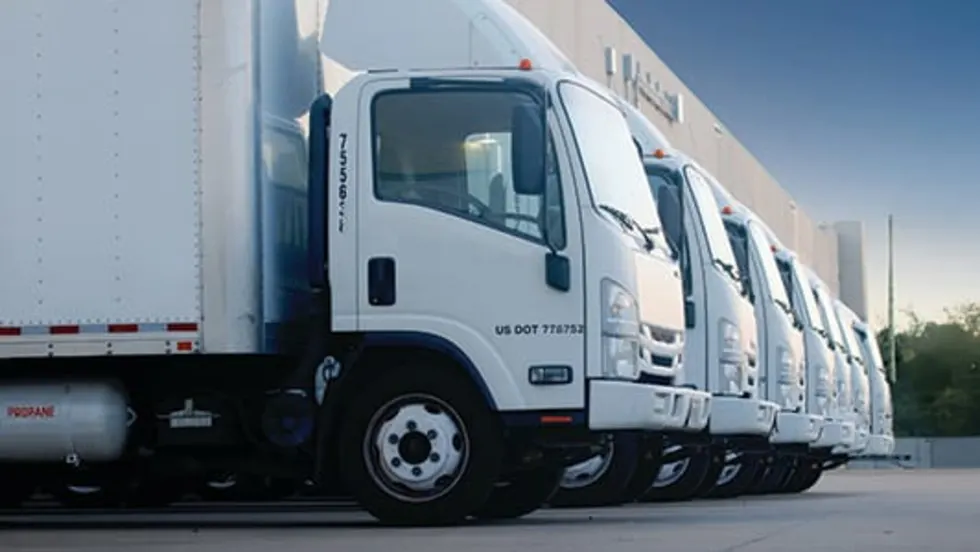
Qualified commercial fleets can receive $7,500 per eligible propane autogas vehicle and up to $10,000 for new refueling site prep. Learn how the program works and see whether your fleet qualifies.
Read More →
EV Charging Use Is Outpacing Infrastructure Growth
ChargePoint’s 2026 Charging Forward Report points to rising charger use, higher-powered charging, commercial vehicle electrification, and energy-management technology. Here’s what fleets should know.
Read More →
Merchants Fleet Reports 290M EV Miles as Fleets Navigate Changing Electrification Market
From millions in operating savings to hundreds of millions of EV miles, Merchants Fleet’s latest report reveals what’s working and what’s changing in fleet electrification.
Read More →
The EV Breakdown Nobody's Talking About: Why Most Electric Vehicle Roadside Calls Aren't Mechanical Failures
Here's why EV breakdowns are widely misunderstood.
Read More →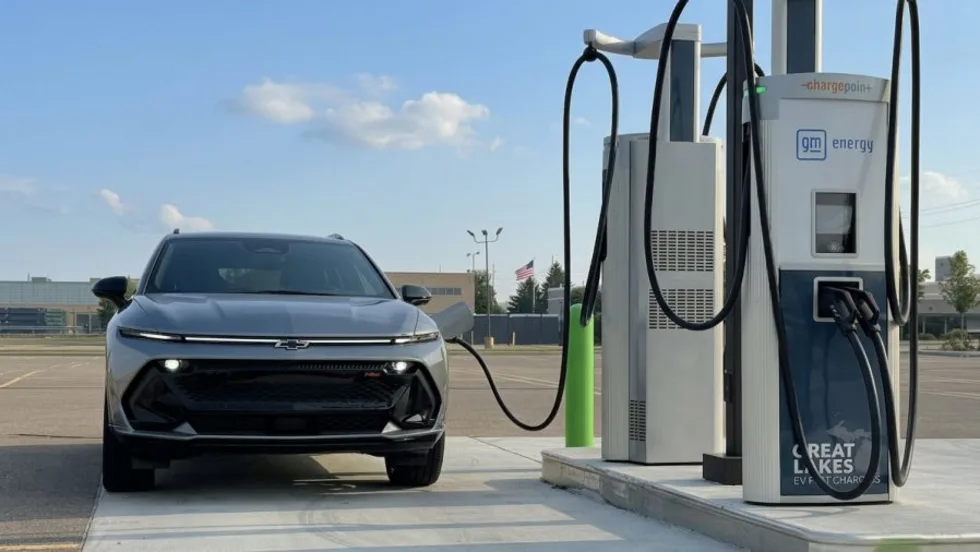
ChargePoint Now Available in Energy Pass
ChargePoint and additional planned charging network integrations were added to GM's Energy Pass.
Read More →

First Look: Slate Auto's Electric Fleet Pickup
Could an affordable, modular EV pickup make electrification more practical for fleets?
Read More →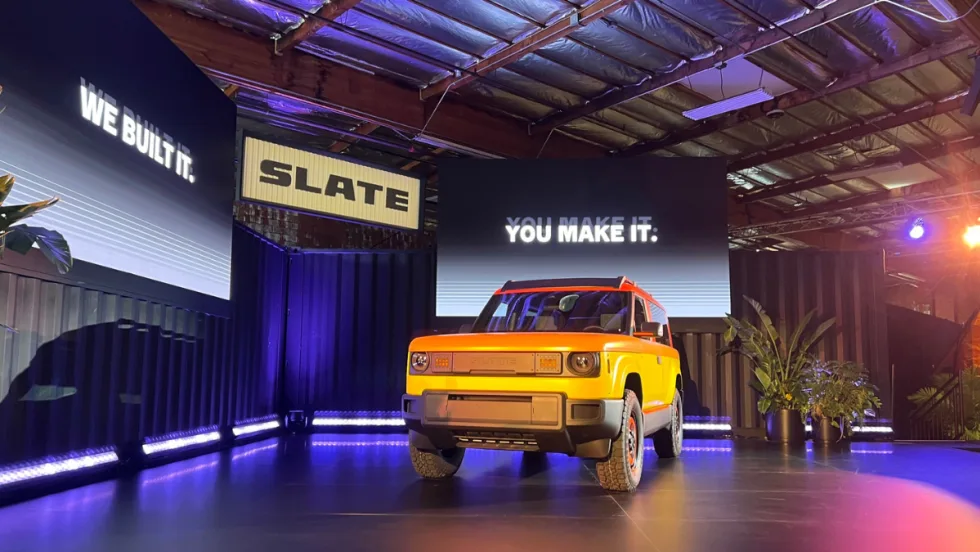
Slate Debuts Colorful, Unique EV Models
A recent media and client event, studded with electric vehicles dressed up on platforms, planted a new position for the manufacturer in the wider EV market. Fleets will find cost-saving advantages.
Read More →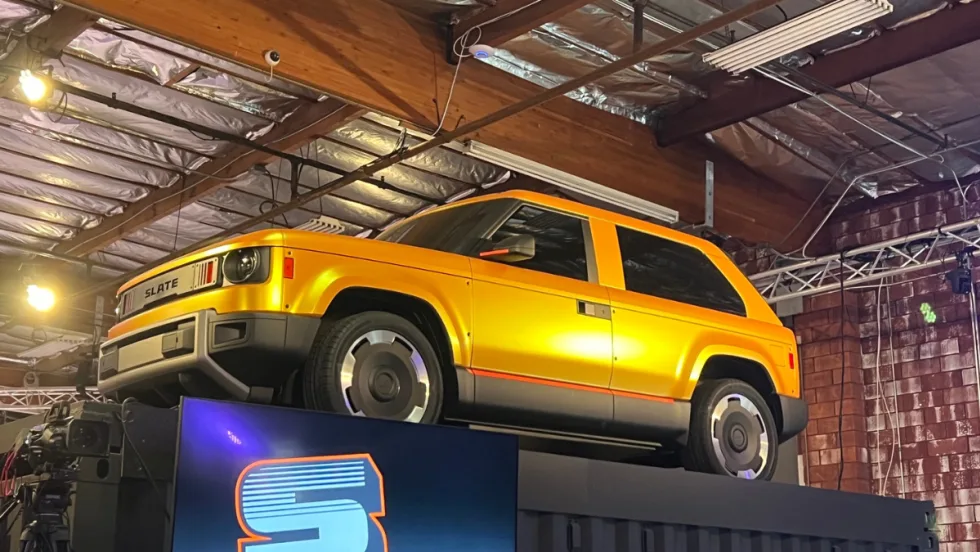
Slate Electric SUV, Pickup Switchable Model Aims For Light-Duty Fleets
Everything about this EV is counterintuitive and understated, making it stand out from the crowd.
Read More →
Inspiration Mobility Acquires Key Electrada Assets
Inspiration Mobility Group has acquired select assets of Electrada, adding the fleet electrification provider's team, technology, and charging infrastructure development capabilities to its energy management business.
Read More →