





Related: How to Purchase, Store & Handle Diesel Exhaust Fluid
Engine Oil Standards Improve
API announced the approval of improved performance standards for engine oils that will provide greater protection and fuel efficiency for today’s gasoline-engine-powered trucks and cars.
June 6, 2019
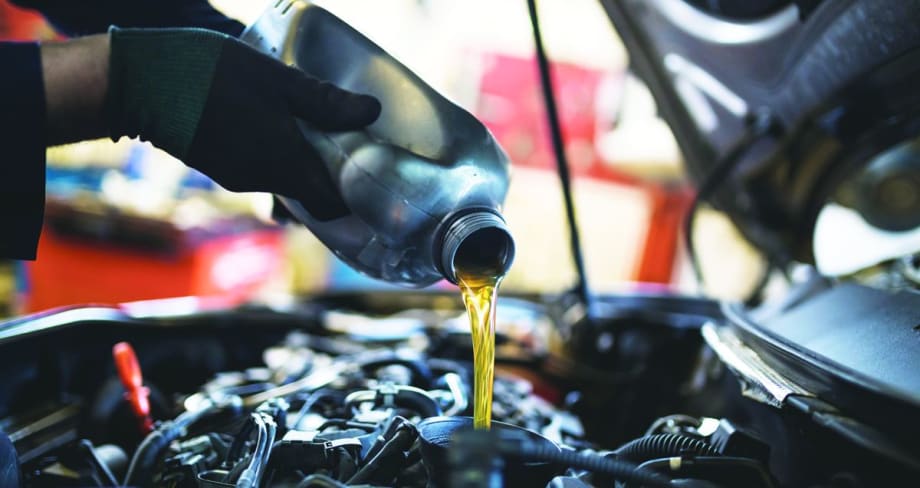
The new standards specify more stringent engine oil performance requirements for spark-ignited internal combustion engines.
Photo courtesy of Getty
2 min to read
API announced the approval of improved performance standards for engine oils that will provide greater protection and fuel efficiency for today’s gasoline-engine-powered trucks and cars.
Two of the new standards, ILSAC GF-6A and GF-6B, are the latest in a line of more stringent performance specifications put forward by the International Lubricant Standardization Advisory Committee (ILSAC), and a third standard, AP SP, is API’s latest engine oil performance standard.
API SP includes all of the ILSAC requirements while at the same time provides performance requirements for oils that do not fall under ILSAC-member recommendations.
The new standards specify more stringent engine oil performance requirements for spark-ignited internal combustion engines. All three of these standards can be licensed under API’s Engine Oil Licensing and Certification System beginning May 1, 2020.
“API developed these new performance standards in response to a request from automakers to introduce more robust engine oils that would be capable of meeting the needs of current and future gasoline engines. ILSAC GF-6A, GF-6B and API SP represent the fruits of the oil, additive, and automobile industries’ labors to introduce such essential products for the people who use these vehicles every day,” said Kevin Ferrick, director, API Product Programs.
The development of ILSAC GF-6A, GF-6B, and API SP was done over the course of seven years. In that time, seven new tests were developed, evaluated, and measured for precision, and companies ran tests to demonstrate that oils can meet the more stringent requirements. Now, oil marketing companies are working to bring the oils that meet these standards to market to ensure current and future engines perform as designed.
Licensed oils that meet the ILSAC GF-6A standard will be allowed to display the API Certification Mark “Starburst” and may be used where oils meeting GF-5 or earlier gasoline engine oil standards had been recommended. Oils that meet ILSAC GF-6B will be allowed to display a new mark, the API Certification Mark “Shield,” and may be used where SAE 0W-16 oils meeting API SN had been recommended.
API is introducing this new “Shield” at the request of automakers to prevent confusion and ensure that 0W-16 oils are used only in applications where they are recommended. API standards are developed under API’s American National Standards Institute accredited process, ensuring that the API standards are recognized not only for their technical rigor but also their third-party accreditation which facilitates acceptance by state, federal, and increasingly international regulators. API’s GIS division is responsible for standards-setting, certification, training, events, publications, and safety programs for industry operations.
Topics:American Petroleum InstituteGasoline EnginesEngine OilsSafety & ComplianceEngine MaintenanceMaintenanceGlobal Fleet
Originally posted on Work Truck Online
More Maintenance

Sponsored•October 1, 2026
Fleet Manager’s Ultimate Playbook: Navigating the New Standard in OEM Connectivity
Rising operating costs, driver safety concerns, and unplanned downtime are putting unprecedented pressure on modern fleets. Discover how fleet managers use embedded OEM connectivity and real-time vehicle data to cut TCO, prevent downtime, and protect drivers without aftermarket telematics hardware.
Read More →
How Can Fleet Managers Tell Which Repairs Require Closer Review?
Fleetio’s Brianna Perry demonstrates how Service Advisor evaluates maintenance requests, identifies pricing anomalies, and provides the context fleet managers need to focus their attention on potential problems.
Read More →
Why Roadside Assistance Belongs in a Fleet Risk Strategy
Roadside assistance is more than a tow. See how the right partner can protect drivers, uncover fleet trends, and strengthen your risk strategy.
Read More →
Sponsored•August 7, 2026
Hidden in Plain Sight: Fleet Compliance Risks
Fleet compliance isn't just about having policies — it's about consistently enforcing them. This practical guide reveals six hidden compliance risks common in public sector and shared fleet operations and outlines proven strategies to improve visibility, accountability, and audit readiness
Read More →
How Maintenance Costs Compare Across 27 Fleet Vehicles
Vincentric’s three-year, 60,000-mile projections reveal wide differences for both scheduled and unscheduled maintenance among selected vehicle categories. Projected maintenance visits also play a factor.
Read More →
The EV Breakdown Nobody's Talking About: Why Most Electric Vehicle Roadside Calls Aren't Mechanical Failures
Here's why EV breakdowns are widely misunderstood.
Read More →
How Stellantis Plans to Get Ahead of Fleet Downtime
Keeping fleet vehicles on the road has become as important as buying them. Darren Bradshaw of Mopar North America explains how connected vehicle data, AI, and proactive service strategies are helping Stellantis reduce downtime and move closer to predictive maintenance.
Read More →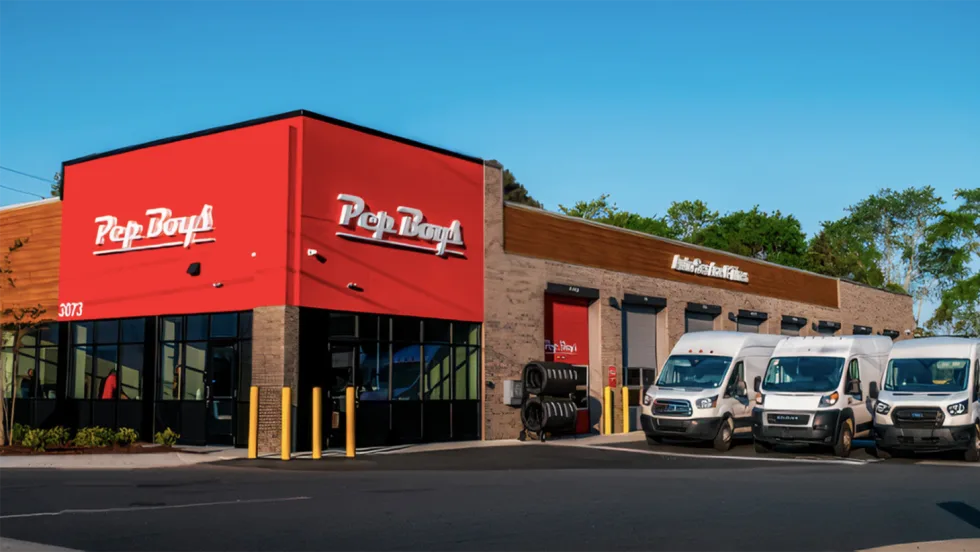
Merchants Fleet Expands Maintenance Network with Pep Boys
Merchants Fleet has expanded its relationship with Pep Boys, increasing the service provider's role within its national maintenance network. The move is intended to enhance maintenance coordination and support commercial fleets through Pep Boys' nationwide footprint.
Read More →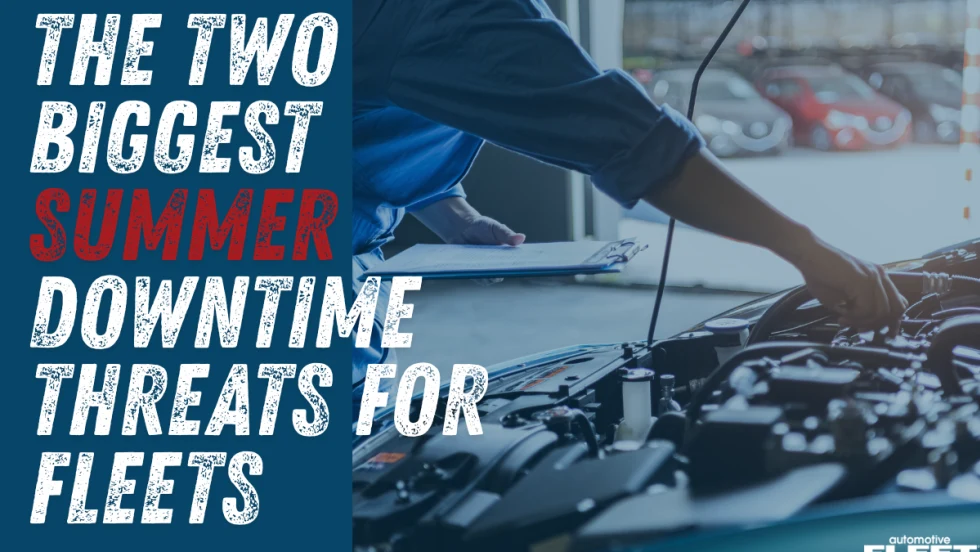
The Two Biggest Summer Downtime Threats for Fleets
A conversation with a maintenance expert reveals the two most common summer maintenance pains and how to prevent them.
Read More →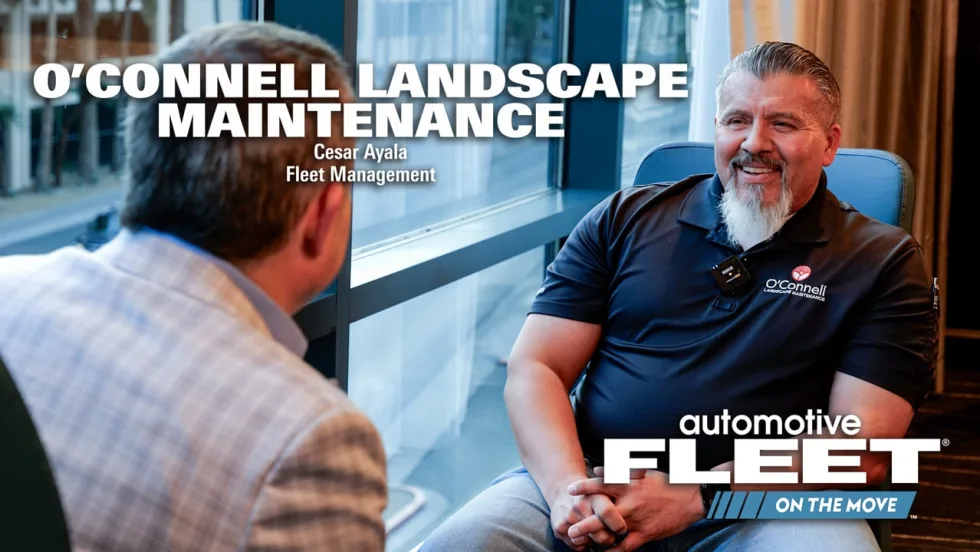
From Marine Corps Motor Pool to Managing 460 Fleet Vehicles
Cesar Ayala of O’Connell Landscape Maintenance shares how he transitioned from the Marine Corps to managing a 460-vehicle fleet—and the real-world challenges of maintenance, compliance, and driver management in California.
Read More →