




Electronic Stability Program, All-Speed Traction Control System, and ABS Standard on All 2006 Dodge Chargers
AURBURN HILLS, MI — The new Dodge Charger features significant advancements in technology inherent with rear-wheel drive vehicles, including a longer wheelbase for a secure and more balanced ride. The wider track also provides better stability, handling, and traction control in a variety of surface and weather conditions.
AURBURN HILLS, MI — The new Dodge Charger features significant advancements in technology inherent with rear-wheel drive vehicles, including a longer wheelbase for a secure and more balanced ride. The wider track also provides better stability, handling, and traction control in a variety of surface and weather conditions.
To optimize the overall performance of rear-wheel drive, the 2006 Dodge Charger offers the Electronic Stability Program (ESP), which helps the driver maintain directional stability on dry pavement, rain, snow, or ice. ESP includes Brake Assist, providing maximum brake force for shorter stopping distances in emergency situations.
The Dodge Charger’s All-speed Traction Control System (TCS) enhances mobility and prevents wheel slip when accelerating on slippery surfaces, while the Anti-lock Braking System (ABS) gives the car excellent stability and maneuverability when braking on virtually every type of road surface.
Structural refinement of the Dodge Charger’s cradle contributes to crash energy management during frontal impacts by deforming in a controlled manner.
Similar to the 2005 Chrysler 300 and Dodge Magnum, Chrysler Group engineers used computer technology during the development of the Dodge Charger. Simulations were used to anticipate how the components of the Dodge Charger would work together during a crash to absorb and reduce crash forces transmitted to passengers. The Dodge Charger’s advanced restraint system encompasses airbag and seatbelt sensors to optimize occupant protection in the event of a crash.
Optional front and rear side-curtain airbags are mounted under the Dodge Charger’s headliner and deploy downward, covering all outboard occupants in the event of a side impact. Standard advanced multi-stage driver and passenger front airbags deploy at various levels based on the severity of the crash. The charges in the airbag module are triggered separately. A minor impact triggers a low-power deployment, while a severe impact deploys a higher-powered discharge for greater occupant protection.
The Dodge Charger also offers an Occupant Classification System (OCS) for the front passenger seat. This system detects the size of an occupant based on weight (not size) and determines if there should be no deployment, low deployment, or crash severity-based deployment. (Even with this advanced system designed to meet government requirements, the safest place for children is in the back seat.) The driver-side airbag works in conjunction with an energy-absorbing steering column to provide supplemental restraints in frontal impacts.
The Advanced Multi-stage Airbag System offers enhanced protection for a wider range of occupants and is designed to identify the size of an occupant in the front passenger seat based primarily on their weight.
All-speed Traction Control System (TCS) enhances mobility and prevents wheel slip when accelerating on road surfaces by controlling both the brakes and the Electronic Throttle Control (ETC).
The Anti-lock Brake System is equipped with electronic sensors that help prevent wheel lockup, offering improved steering control under extreme braking and/or slippery conditions.
Brake Assist senses a panic brake condition and applies maximum braking power, providing the shortest possible stopping distance.
Electronic Stability Program (ESP) aids the driver in maintaining vehicle directional stability, providing over-steer and under-steer control to maintain vehicle behavior.
In the event of an accident, Enhanced Accident Response System (EARS) makes it easier for emergency personnel to see and reach the occupants by turning on the interior lighting and unlocking the doors after airbag deployment. It also shuts off the flow of fuel to the engine.
The Occupant Classification System (OCS) measures the conditions for activation or deactivation of the front passenger-side airbag based upon the weight of the occupant.
A special sealant in the inner liner of self-sealing tires fills punctures up to .19 inches to minimize the loss of air pressure and significantly reduce the probability of a roadside stop due to a flat tire.
Available side curtain air bags extend protection to front and rear seat outboard occupants.
The Tire Pressure Monitoring (TPM) System alerts the driver to improper tire pressure conditions. Low pressure on any tire illuminates an amber warning indicator (ISO symbol) in the instrument cluster.
More Operations
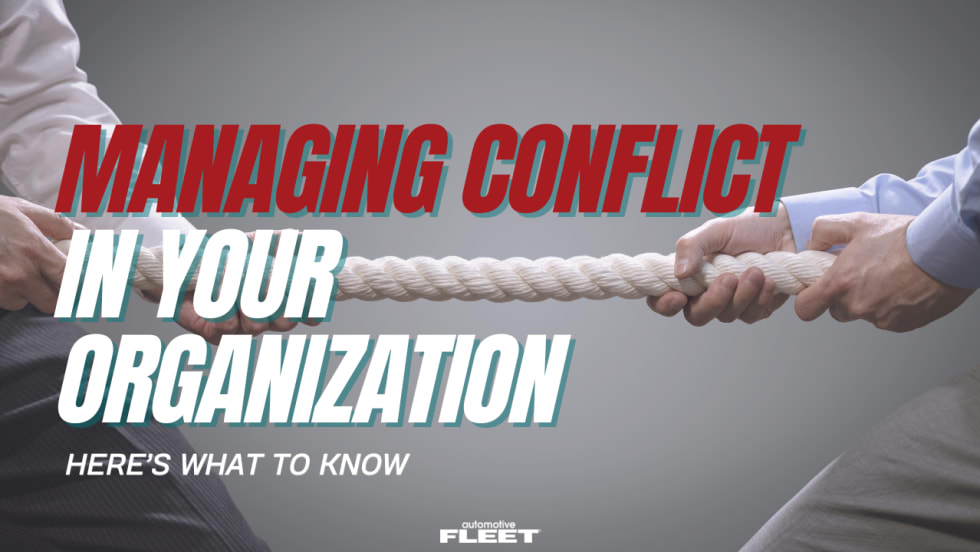
How to Manage Conflict for Your Fleet Operations
Conflict management is becoming a core leadership skill. Here are five strategies fleet leaders should know.
Read More →
Turning Connected Vehicle Data Into Decisions That Matter
Fleet leaders have more data than ever, but turning that data into clear, actionable decisions remains a challenge. This white paper shows how leading organizations are using connected vehicle data to improve safety, reduce costs, and optimize fleet performance. Learn how to turn insight into action across your fleet.
Read More →
Cameras, Safety and Insurance: From Reactive Claims to Real-time Prevention
Commercial auto remains one of the most challenging and costly lines of coverage for fleet operators and insurers alike. Learn more about how to effectively address these issues from Onur Aksan, Enterprise Business Development Executive, Geotab.
Read More →

Are You Tracking Your Fleet's True Total Cost of Ownership?
Bobit Business Media surveyed 190 fleet professionals and found that while most fleets are tracking costs, fragmented systems and data gaps are keeping true TCO visibility out of reach. With rising pressure to control spend in an increasingly volatile environment, the gap between what fleets think they know and what the data actually shows is wider than you might expect. See how your peers are managing costs today and where the industry still has room to improve.
Read More →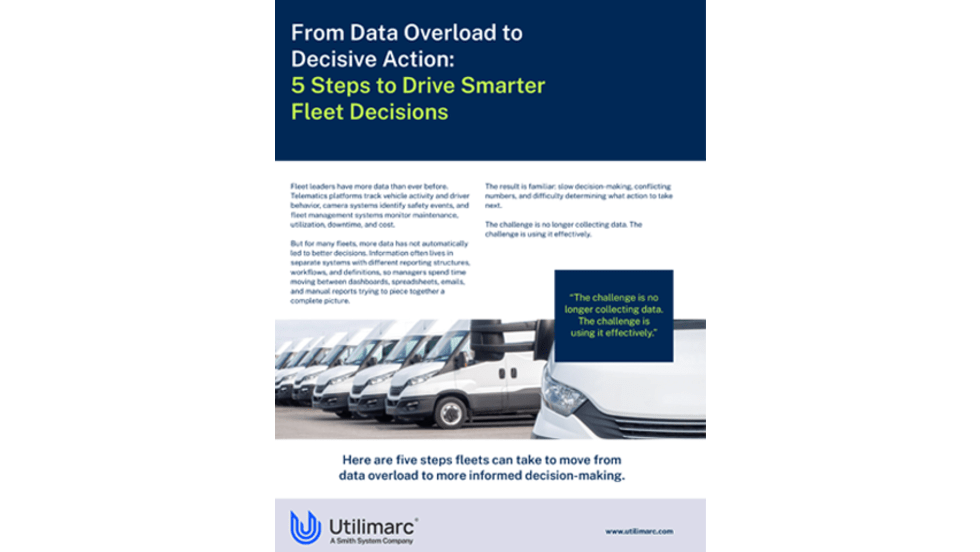
Turn Fleet Data Into Smarter Decisions
Fleet leaders have access to more operational data than ever, but disconnected systems and unclear metrics often slow decision-making instead of improving it. This article outlines five practical steps fleets can take to transform fragmented data into actionable insights that improve planning, safety, utilization, and long-term performance.
Read More →
Hybrids: Electrification Without the Challenges
For fleet managers, fuel is one of the biggest line items in the budget — and it's one hybrids can shrink without changing how your people work. Download the eBook to see the numbers, understand the technology, and get a step-by-step guide to making the switch.
Read More →
How NOV Uses Telematics to Improve Fleet Safety Across 160 Locations
James Victory of NOV discusses how the company manages fleet safety, maintenance, and telematics across more than 150 locations supporting oilfield operations throughout the U.S.
Read More →
Fleet Meets: Steven Santostasi
This edition of the Fleet Meets series features Steven Santostasi, the current TSP channel manager for Ford Pro.
Read More →
Why Fleet Managers Are Replacing Departmental Vehicles with Shared Motor Pools
Departmentally assigned vehicles often create hidden costs through underutilization, poor visibility, and increased administrative burden. This white paper explores how shared motor pool strategies help fleets reduce costs, improve accountability, and optimize vehicle utilization.
Read More →
Soap Box Derby Challenge: Assembling the Crew
Meet Gabriel, Matthew, and Angel — the team helping bring this soap box derby build to life.
Read More →