




eDriving Named Voting Member of Global Road Safety Partnership
eDriving has been named a "Private Sector Member" of the Global Road Safety Partnership (GRSP), an international road safety organization that partners with corporations, non-profits, and government agencies to improve driver safety and reduce road traffic fatalities.
eDriving has been named a "Private Sector Member" of the Global Road Safety Partnership (GRSP), an international road safety organization that partners with corporations, non-profits, and government agencies to improve driver safety and reduce road traffic fatalities.
Founded in 1999, and hosted by the International Federation of Red Cross and Red Crescent societies, the Geneva, Switzerland, based GRSP works through a partnership model to create and implement multi-sector, front-line and sustainable road safety interventions in more than 40 countries. Members of GRSP are part of a globally recognized network of like-minded organizations committed to improving road safety, both within their organizations and beyond the business gates.
Other Private Sector GRSP members include AXA, Nestlé, Toyota, Shell, Michelin, Renault, and Zurich. Other Government, Civil Society and Foundation members include Save the Children, the World Health Organization, Mexican Red Cross, and many more. A sampling of member logos is below. The complete list of members can be found here.
"We’re truly honored to be selected as a member of the GRSP and to become part of an incredible array of passionate individuals and organizations all committed to a single mission — to reduce needless auto death and injuries on the world’s roads," said Celia Stokes, CEO of eDriving. "By creating a unique and proven partnership model bringing together leaders in government, business, non-profits and local stakeholders, the GRSP is producing real and sustainable results. This is the natural progression of eDriving’s own mission and we’re delighted to now be part of this worldwide effort."
Ed Dubens, executive vice president of eDriving added: "We’re thrilled to be a part of the GRSP, and are extremely interested in the partnership opportunities it presents globally to help organizations and their employees driving for work purposes get home to their loved ones and communities at the end of each day. Working with GRSP, we’ll be able to share our expertise and experience helping organizations across the world develop and evolve driver safety cultures. We’re particularly excited about also being able to deliver our new safety training solutions via smart phone technology into markets where traditional eLearning infrastructure does not exist. That’s potentially life-saving and game-changing."
Andrew Bradley, head of the Group Risk Services at Nestlé and chair of the group's steering committee said: "eDriving is an outstanding and important addition to our steering committee. The company’s passion for highway safety and amazing technologies promise real and lasting improvements in safe driving. We’ve found that creating real change in highway safety means bringing together multiple voices, experiences and expertise, as well as the resources of the private, public and non-profit sectors behind a single goal — making our transportation systems safer. eDriving is at the epicenter of constructive, now- and next-gen fleet and mainstream consumer technologies and will surely help advance and accelerate our overall effort."
More Safety

Nexar-Nauto Merger Aims to Give Fleets Better Safety Intelligence Through Larger Driving Dataset
Stefan Heck tells Automotive Fleet that combining more than 10 billion miles of driving history with Nexar's AI models will give fleets deeper insights into driver risk and roadway conditions than either company could provide independently.
Read More →
Don't Wait for a Crisis: 5 Ways to Build Mental Health Into Your Fleet Safety Program
For Suicide Prevention Month, fleet and safety leaders have an opportunity to put mental health where it belongs: at the center of workplace safety.
Read More →
How Camera Data Can Strengthen a Fleet’s Insurance Renewal
Insights from a commercial insurance carrier and a broker show how fleets can turn video telematic data, driver coaching, and improved claims results into a stronger case at insurance renewal.
Read More →
The Safest Fleets Aren’t the Ones with the Most Technology
You’ve made the telematics investment. Here’s how to capture the other half of its value and build the safest fleet on the road.
Read More →
Hidden in Plain Sight: Fleet Compliance Risks
Fleet compliance isn't just about having policies — it's about consistently enforcing them. This practical guide reveals six hidden compliance risks common in public sector and shared fleet operations and outlines proven strategies to improve visibility, accountability, and audit readiness
Read More →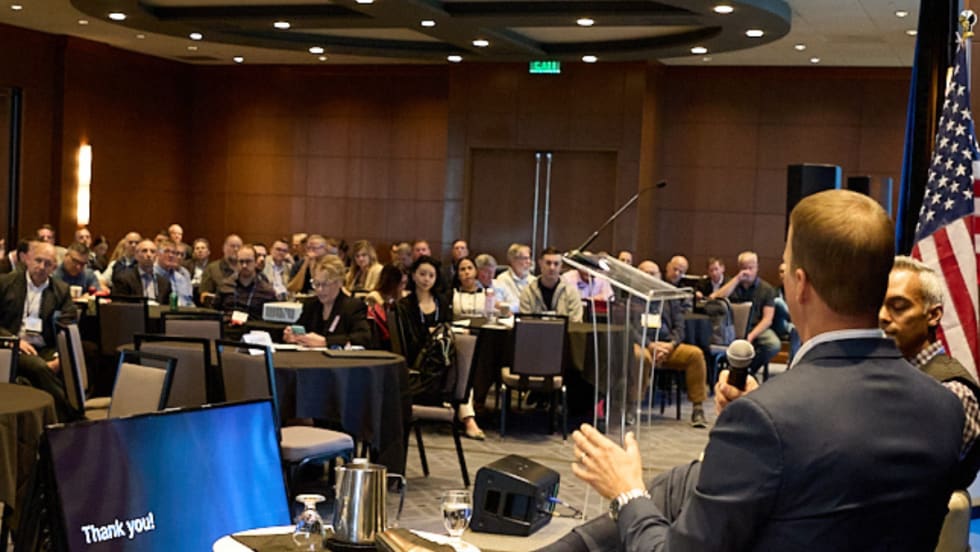
NETS Sets 2026 Fleet Safety Benchmark Conference for Indianapolis
The Sept. 15–17 program will feature fleet benchmarking data, case studies, emerging technologies, and implementation strategies while running alongside the NSC Safety Congress & Expo.
Read More →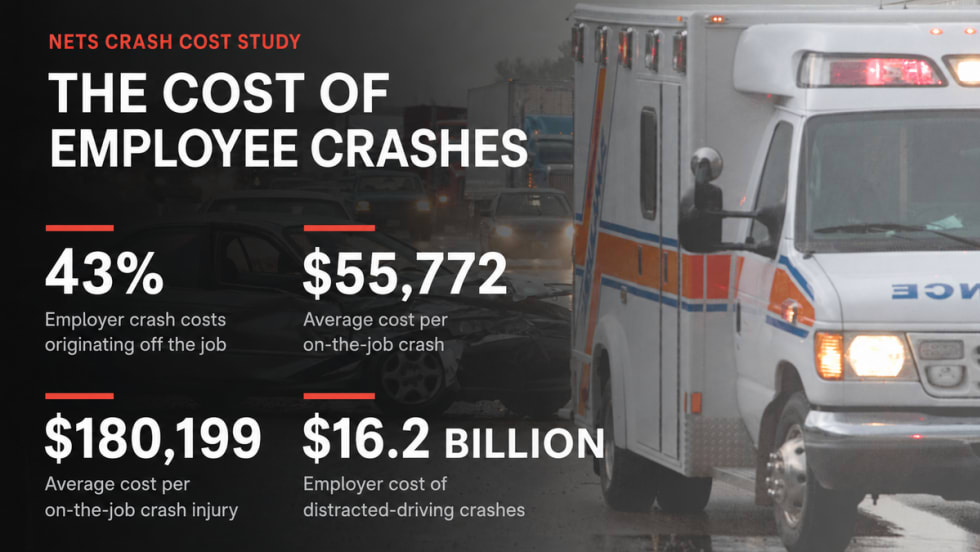
Off-the-Job Crashes Account for 43% of Employers’ $61.7 Billion Crash Burden
NETS quantifies costs dispersed across fleet, risk, HR, and other departments while providing new per-crash benchmarks for employers.
Read More →
Ram Recalls More Than 1.27 Million 1500 Pickups for Seat Belt Anchor Issue
The recall affects certain 2019-2026 Ram 1500 pickups that may have improperly attached second-row seat belt buckle anchors.
Read More →
How Better Visibility Cut Speeding Violations by 48%
Fleet leaders don't need more data, they need clearer visibility into what the data is saying. This case study explores how one utility replaced speeding-event counts with a single metric — miles driven in violation — to strengthen safety and significantly reduce speeding violations.
Read More →
Operation Safe Driver Week: Why the Industry's Oldest Safety Campaign Still Matters to Fleets
A look at how a 2007 enforcement initiative became one of the most consequential weeks on the fleet safety calendar, and what it means for your drivers in 2026.
Read More →