





Related: eDriving Distributes Mentor Solution in Australia via New Partnership
eDriving Integrates EHS&S Consultancy Services
eDriving has appointed EHS&S Consultancy, Snow Advisory, to help its customers more effectively combine driver risk management into their broader EHS&S strategies.
March 9, 2020
2 min to read
eDriving has appointed EHS&S Consultancy, Snow Advisory, to help its customers more effectively combine driver risk management into their broader EHS&S strategies.

Teri Snow, CEO/President at Snow Advisory, LLC
Established by health and safety professional Teri Snow, CSP, Snow Advisory provides support to business leaders to develop risk reduction solutions that add value, inspire, and improve an organization’s safety culture while reducing operational risk, according to eDriving.
Through the partnership, Snow will help eDriving’s clients develop policy and best practice, EHS&S and driver safety standards and will also be involved in the development of eDriving’s new programs, eLearning and guides that help clients more effectively link EHS&S and driver safety together.
“Driver safety is typically one of those unknown risks. Many companies don’t realize just how much risk their drivers are exposed to, but the risk is there whether companies are aware of it or not,” said Snow. “Looking at safety more broadly enables companies to evaluate all of the risks facing employees including driving, slips, trips and falls and ergonomics; driving is just one consideration but usually the riskiest.”
Snow has more than 30 years of practical experience as an EHS&S leader both at site and global levels. She was previously jointly responsible for establishing Pfizer’s Safety Culture Strategies, driving safety culture improvements, by developing creative solutions to engage individuals at all levels of the organization.
As co-founder of Pfizer’s Global Fleet Driver Safety Program, Snow designed and implemented a results-oriented global fleet safety program in 35 countries for over 30,000 drivers. She has proven experience in assessing operational risk, building and fostering an innovative risk-based EHS&S culture while working effectively with a diversified range of customers across the globe, reducing risks in commercial safety in part by 50-70%.
“Many of our primary contacts at organizations across the globe are responsible for EHS&S across the organization, and I believe providing this additional support to successfully incorporate driver safety into their workplace programs is the next important step in creating a company-wide ‘crash and incident’ free culture,” said Ed Dubens, Founder and CEO of eDriving.
More Safety

Nexar-Nauto Merger Aims to Give Fleets Better Safety Intelligence Through Larger Driving Dataset
Stefan Heck tells Automotive Fleet that combining more than 10 billion miles of driving history with Nexar's AI models will give fleets deeper insights into driver risk and roadway conditions than either company could provide independently.
Read More →
Don't Wait for a Crisis: 5 Ways to Build Mental Health Into Your Fleet Safety Program
For Suicide Prevention Month, fleet and safety leaders have an opportunity to put mental health where it belongs: at the center of workplace safety.
Read More →
How Camera Data Can Strengthen a Fleet’s Insurance Renewal
Insights from a commercial insurance carrier and a broker show how fleets can turn video telematic data, driver coaching, and improved claims results into a stronger case at insurance renewal.
Read More →
The Safest Fleets Aren’t the Ones with the Most Technology
You’ve made the telematics investment. Here’s how to capture the other half of its value and build the safest fleet on the road.
Read More →
Sponsored•August 7, 2026
Hidden in Plain Sight: Fleet Compliance Risks
Fleet compliance isn't just about having policies — it's about consistently enforcing them. This practical guide reveals six hidden compliance risks common in public sector and shared fleet operations and outlines proven strategies to improve visibility, accountability, and audit readiness
Read More →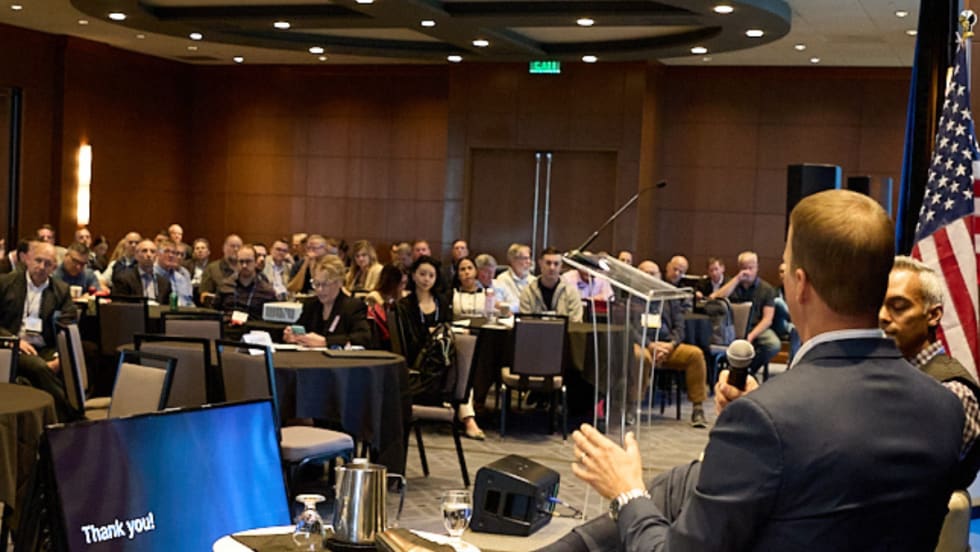
NETS Sets 2026 Fleet Safety Benchmark Conference for Indianapolis
The Sept. 15–17 program will feature fleet benchmarking data, case studies, emerging technologies, and implementation strategies while running alongside the NSC Safety Congress & Expo.
Read More →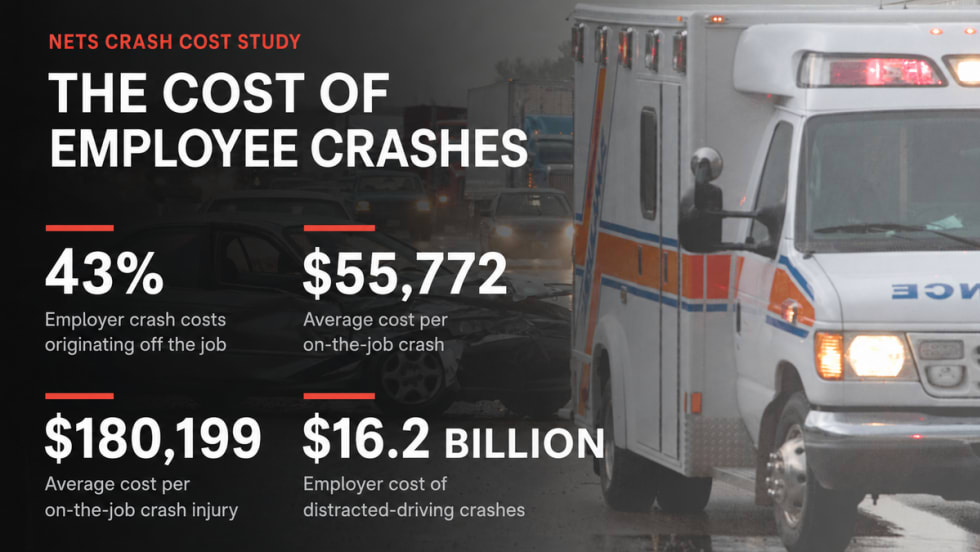
Off-the-Job Crashes Account for 43% of Employers’ $61.7 Billion Crash Burden
NETS quantifies costs dispersed across fleet, risk, HR, and other departments while providing new per-crash benchmarks for employers.
Read More →
Ram Recalls More Than 1.27 Million 1500 Pickups for Seat Belt Anchor Issue
The recall affects certain 2019-2026 Ram 1500 pickups that may have improperly attached second-row seat belt buckle anchors.
Read More →
Sponsored•July 17, 2026
How Better Visibility Cut Speeding Violations by 48%
Fleet leaders don't need more data, they need clearer visibility into what the data is saying. This case study explores how one utility replaced speeding-event counts with a single metric — miles driven in violation — to strengthen safety and significantly reduce speeding violations.
Read More →
Operation Safe Driver Week: Why the Industry's Oldest Safety Campaign Still Matters to Fleets
A look at how a 2007 enforcement initiative became one of the most consequential weeks on the fleet safety calendar, and what it means for your drivers in 2026.
Read More →