




Edmunds Forecasts 17.1M New-Vehicle Sales in 2020
A 17.1 million total would match 2019’s total and mark the sixth year in a row that new-vehicle sales would top 17 million.

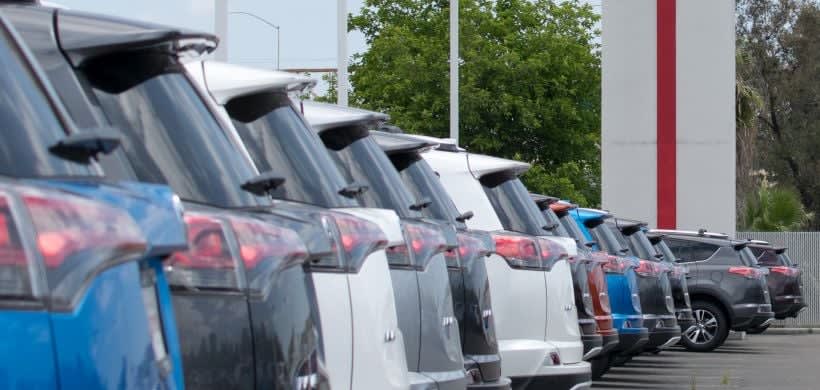
One roadblock in the auto industry’s path toward 17.1 million is rising transaction prices.
Photo by Eric Gandarilla.
Edmunds forecasts that 17.1 million new vehicles will be sold in 2020.
A 17.1 million total would match 2019’s total and mark the sixth year in a row that new-vehicle sales would top 17 million.
"The auto industry has some decent tailwinds heading into 2020: Strong economic factors such as low unemployment and high consumer confidence are carrying over from last year, finance rates are expected to remain relatively stable, and this is a presidential election year, which historically tends to correspond with a year-over-year lift in new vehicle sales," said Jessica Caldwell, executive director of industry insights at Edmunds.
One roadblock in the auto industry’s path toward 17.1 million is rising transaction prices. The average transaction price for a new vehicle in 2019 climbed to a record-high $37,183 and prices are only expected to rise, Edmunds noted.
Vehicle sales are also expected to become greener, as hybrid vehicles are experiencing a resurgence in buyer interest. Edmunds analysts expect hybrid vehicle sales to grow 18% in 2020, which would push the green car market to a record market share of 4.8%.
Sedan sales are expected to continue to drop in 2020, sedan market share is expected to drop to 24%.
Pickup trucks are also expected to grow in market share, Edmunds analysts predict that crew cabs will comprise 80% of all truck sales in 2020.
And, CPO sales should also reach a record high, as off-lease supply should remain healthy.
Originally posted on Vehicle Remarketing
More Operations

The Next Evolution of Fleet Management: Autonomous Operations
This opening keynote session at the Fleet Forward Conference highlights the future of autonomous driving for fleets.
Read More →
How to Reduce the Total Cost of Risk From Catalytic Converter Theft
A stolen catalytic converter can cost fleets far more in downtime and lost productivity than in repairs. A total-cost-of-risk approach can help fleet managers quantify their exposure and prioritize theft prevention.
Read More →
Personal-Use Charges Rise as Vehicle Values Fall | AF News Recap
Personal-use charges are climbing, wholesale used-vehicle values are declining, and commercial fleet sales growth is slowing. This week, we're breaking down the latest fleet data, plus how Element Fleet Management is helping Waymo prepare for its first Canadian robotaxi market.
Read More →

Here's When You Should Make an Exception to Fleet Policy
Fleet policies are designed to create consistency, but not every driver or situation fits neatly within standard rules.
Read More →
AI-Native or AI-Acquired: What Should Fleet Managers Look for in an AI Platform?
Six questions can help fleet managers look beyond AI marketing claims to evaluate integration, data access, and real-world operational performance.
Read More →
A buyer's guide to fleet management software in 2027
Buying fleet management software in 2027 means looking beyond features and price. As fleet operations, technology and expectations evolve, this guide explores what today’s fleet professionals should consider when choosing a system that can deliver value now and adapt to what comes next.
Read More →
What Will Shape the Next Era of Fleet Management?
EVs, AI, and autonomous vehicles are reshaping fleet management. Discover what’s ahead—and how fleet leaders can prepare for the next era.
Read More →
How Fleets Can Recruit and Train Veterans for Technician Roles
Here's how the technician shortage has affected uptime for fleets, and what to do about it.
Read More →
Avis Budget Group Deploys Neology Toll Management Technology Across Major Brands
Neology’s neoFleet platform will manage toll transactions and toll-authority operations for vehicles across Avis, Budget, Payless, Budget Truck and Zipcar.
Read More →
Fleet Personal-Use Charges Edge Higher in 2026
Nearly eight in 10 surveyed fleets allow personal use of company vehicles, while just over half of respondents report charging employees for the privilege.
Read More →