




DuPont Biofuels Programs Making Progress
WILMINGTON, DE --- DuPont's plans to bring its two advanced biofuels programs to market are on track and making strides toward the commercialization of biobutanol and the conversion of cellulosic feedstocks economically into biofuels, the company announced.
WILMINGTON, DE --- DuPont's plans to bring its two advanced biofuels programs to market are on track and making strides toward the commercialization of biobutanol and the conversion of cellulosic feedstocks economically into biofuels, the company announced.
"Biobutanol and cellulosic ethanol have the ability to transform the biofuels industry," said DuPont Vice President and General Manager John Ranieri. "Our flexible business models allow us to penetrate different geographies with the ability to convert various feedstocks to meet the significant global demand for biofuels."
The DuPont BioFuels business strategy is developing and commercializing an upstream biofuel technology to produce cellulosic ethanol that will use non-food energy feedstocks such as corn cob and switchgrass, and a downstream biofuel technology to produce biobutanol, a high-performance biofuel that can be delivered through existing gasoline distribution channels.
In May, DuPont announced a joint venture with Danisco to deliver low cost, sustainable cellulosic ethanol technology. In July, the DuPont Danisco Cellulosic Ethanol LLC joint venture announced a partnership with the University of Tennessee to build a pilot and demonstration facility for the cellulosic ethanol technology. The groundbreaking is scheduled later this month. Pilot production using corn cob and switchgrass is expected to begin in 2009, with commercially viable economics by 2010.
Biobutanol blends can be transported using existing fuel infrastructure. They have a higher blend value, provide fuel economy (miles per gallon) similar to unleaded gasoline, and can be blended at a minimum of 16 percent concentrations without the need to modify vehicles. DuPont is jointly developing biobutanol with BP in a partnership first announced in 2006.
"We are on track to have a biobutanol pilot facility operational in 2009 with the commercial biotechnology package complete by 2010 at economics comparable to grain ethanol," Ranieri said. "Once we are commercial with biobutanol, we intend to combine our technologies to make biobutanol from non-food feedstocks."
More Green Fleet
EV Charging Use Is Outpacing Infrastructure Growth
ChargePoint’s 2026 Charging Forward Report points to rising charger use, higher-powered charging, commercial vehicle electrification, and energy-management technology. Here’s what fleets should know.
Read More →
Merchants Fleet Reports 290M EV Miles as Fleets Navigate Changing Electrification Market
From millions in operating savings to hundreds of millions of EV miles, Merchants Fleet’s latest report reveals what’s working and what’s changing in fleet electrification.
Read More →
The EV Breakdown Nobody's Talking About: Why Most Electric Vehicle Roadside Calls Aren't Mechanical Failures
Here's why EV breakdowns are widely misunderstood.
Read More →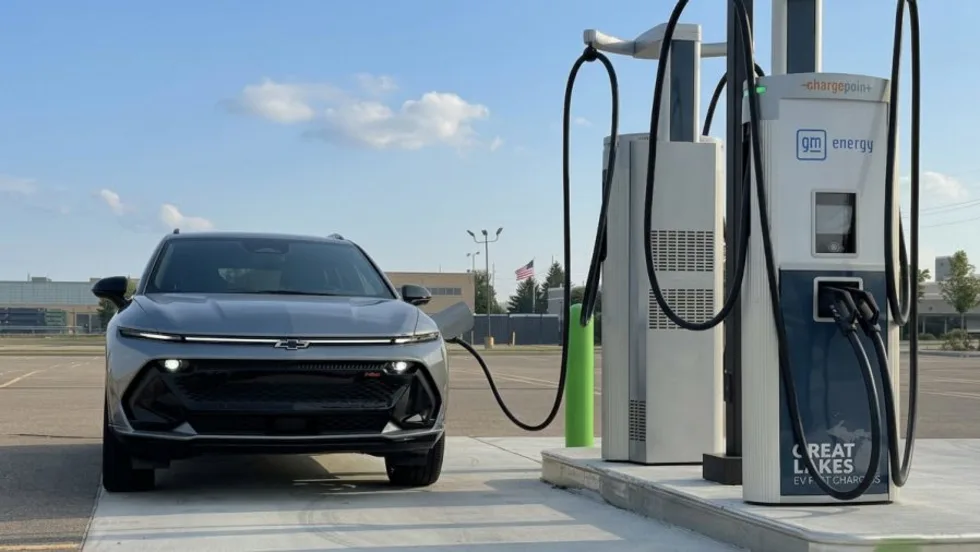
ChargePoint Now Available in Energy Pass
ChargePoint and additional planned charging network integrations were added to GM's Energy Pass.
Read More →
First Look: Slate Auto's Electric Fleet Pickup
Could an affordable, modular EV pickup make electrification more practical for fleets?
Read More →
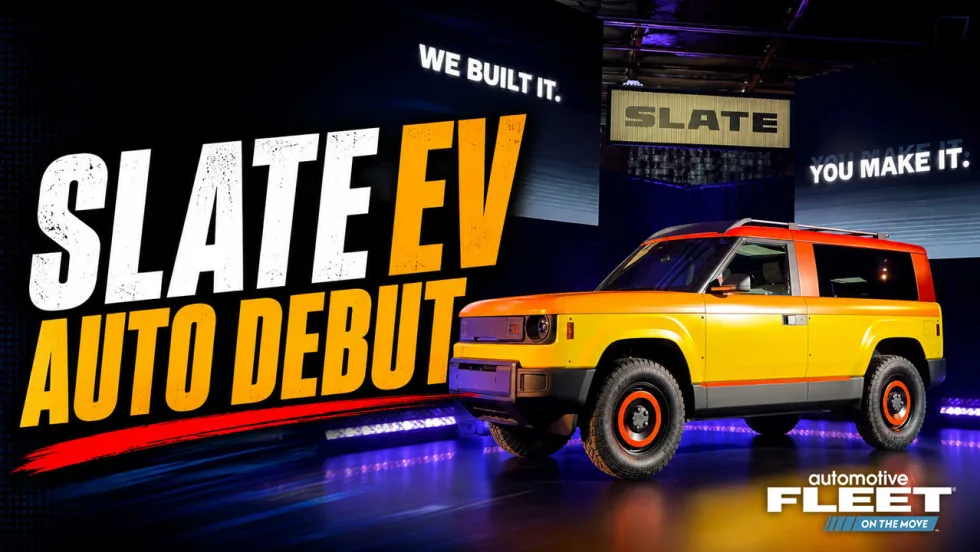
Slate Debuts Colorful, Unique EV Models
A recent media and client event, studded with electric vehicles dressed up on platforms, planted a new position for the manufacturer in the wider EV market. Fleets will find cost-saving advantages.
Read More →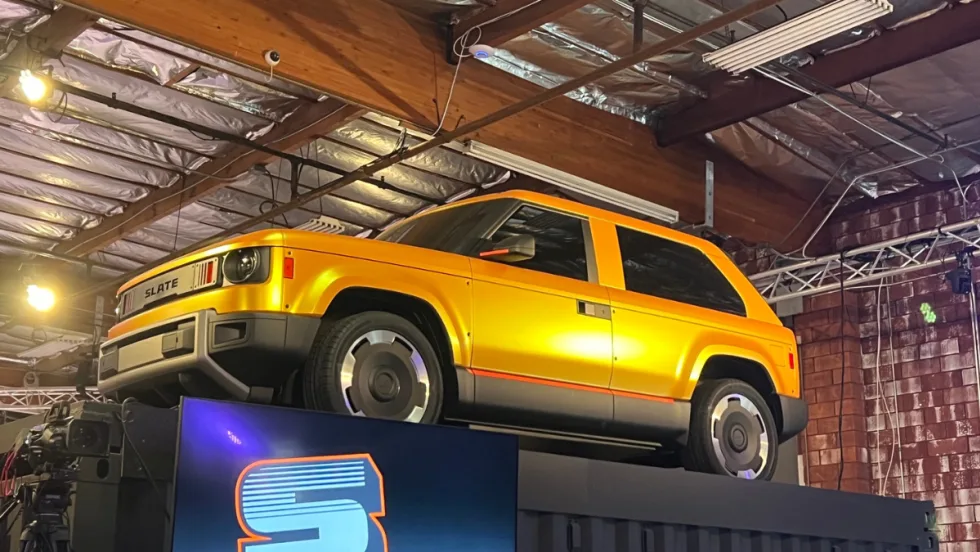
Slate Electric SUV, Pickup Switchable Model Aims For Light-Duty Fleets
Everything about this EV is counterintuitive and understated, making it stand out from the crowd.
Read More →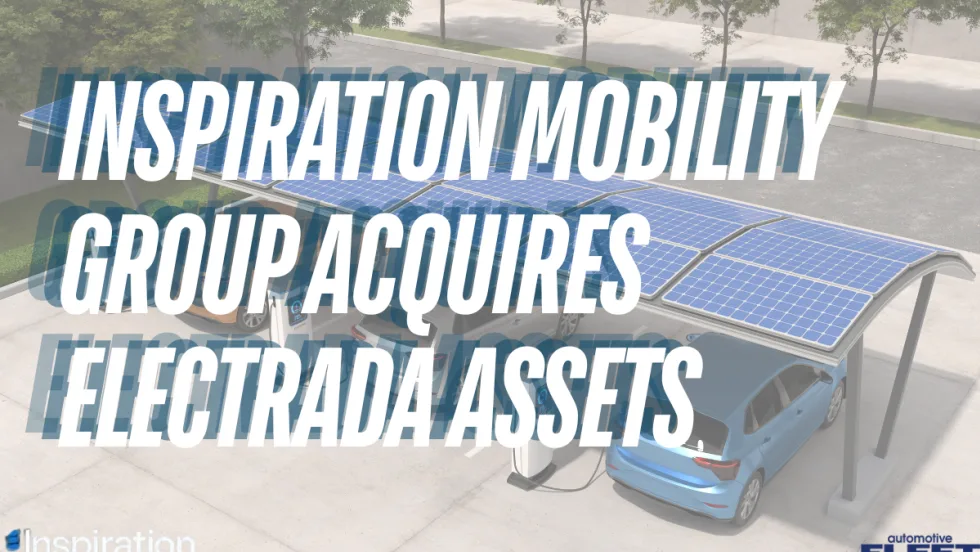
Inspiration Mobility Acquires Key Electrada Assets
Inspiration Mobility Group has acquired select assets of Electrada, adding the fleet electrification provider's team, technology, and charging infrastructure development capabilities to its energy management business.
Read More →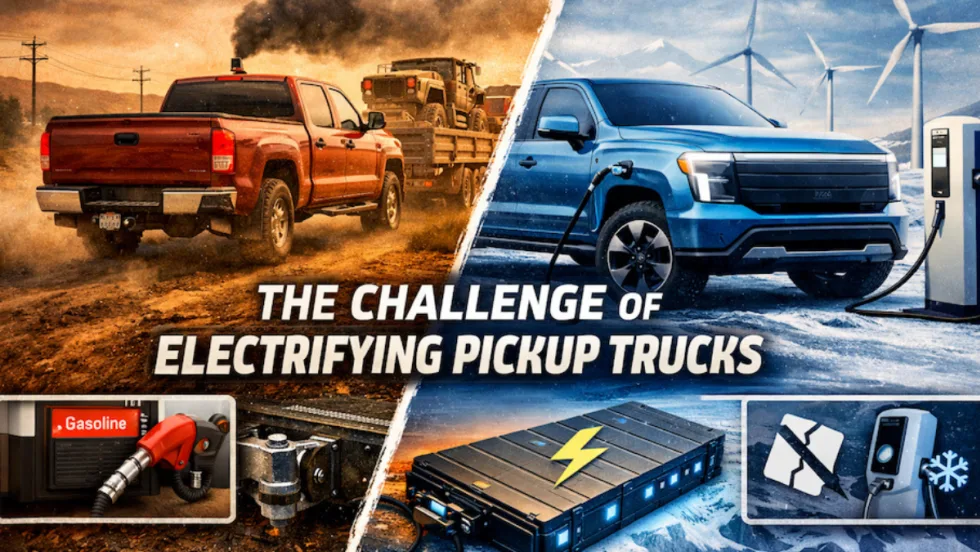
Why America’s Most Popular Vehicle is So Hard to Electrify
Turning America’s favorite workhorse electric means balancing range, payload, charging infrastructure, and price, an equation automakers are still trying to solve.
Read More →