




Duke Energy Proposes $76M EV Program in North Carolina
Duke Energy's proposal would help fund the adoption of electric school buses, electric public transportation, and will lead to almost 2,500 new charging stations in the state.

The program follows a similar $10.4 million program being considered by the Public Service Commission of South Carolina.
Photo coutresy of Duke Energy.
As part of its commitment to reduce emissions in North Carolina, Duke Energy is proposing a $76 million investment in electric vehicle (EV) infrastructure in the southeast.
In a filing with the North Carolina Utilities Commission (NCUC), Duke Energy outlined its watershed program that will provide incentives to customers. It will also lead to a statewide network of fast-charging stations to meet growing demand.
The three-year program requires NCUC approval.
Duke Energy's proposal would help fund the adoption of electric school buses, electric public transportation, and will lead to almost 2,500 new charging stations in the state.
Currently, North Carolina has more than 10,000 plug-in hybrid and all-electric vehicles. It has approximately 600 public charging stations. This program would more than double that amount.
The proposed initiative before the NCUC has several components:
Residential EV Charging: This program will provide a $1,000 rebate for qualifying Level II charging stations for up to 800 residential customers. Level II charging allows customers to charge their EVs up to six times faster than a standard wall outlet.
Public Charging: Duke Energy will install and operate more than 800 public charging stations across North Carolina, including DC Fast Charging, Public Level II, and multifamily locations, which will expand the state's network of EV charging stations.
Fleet EV Charging: The program will provide a $2,500 rebate for 900 qualifying charging stations for commercial and industrial customers who operate fleets that are transitioning to electric and plug-in hybrid vehicles. Municipalities and universities also qualify for these rebates.
EV School Bus Charging Station: Duke Energy will provide financial support to eligible customers to procure up to 85 electric school buses. Duke Energy will install the associated charging infrastructure.
EV Transit Bus Charging Station: Duke Energy will install and operate more than 100 electric transit bus charging stations for eligible transit agencies electing to procure electric buses. Electric transit buses eliminate diesel emissions and reduce fuel and maintenance costs for transit agencies.
The program follows a similar $10.4 million program being considered by the Public Service Commission of South Carolina.
More Fleet Forward

Vibe Coding: When Fleet Managers Become Software Builders
Five fleet professionals — none with programming skills — discuss how they’re using AI to build fleet solutions in-house and in a fraction of the time.
Read More →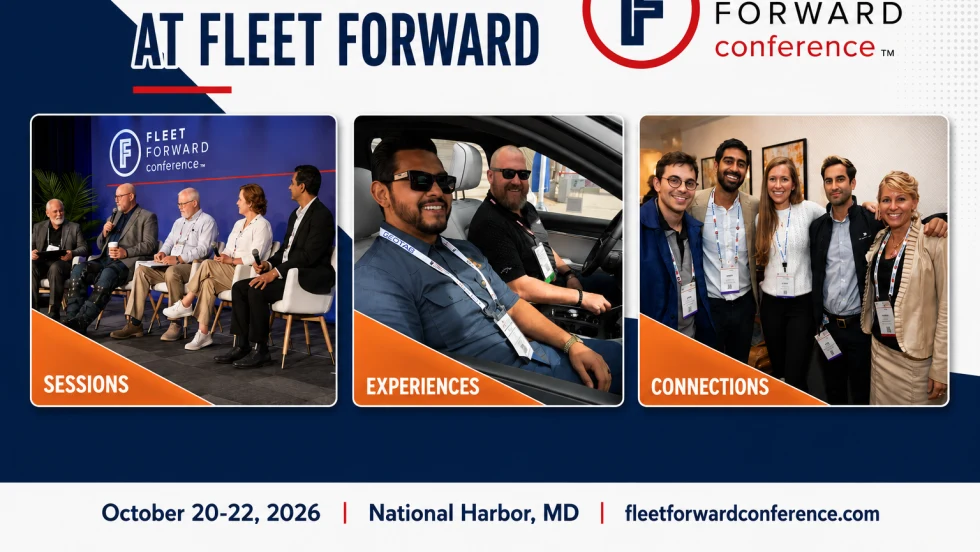
What Fleets Want: FFC Panel to Examine the Future of the Fleet-OEM Relationship
Fleet and OEM leaders will tackle how connected vehicles, embedded telematics, and data are changing the relationship between commercial fleets and automakers.
Read More →
2026 Fleet Manager of the Year Finalists Announced
Who are the 2026 Fleet Manager of the Year finalists?
Read More →
John Rossant to Deliver Opening Keynote at 2026 Fleet Forward Conference
The CoMotion founder will draw on developments across Europe, China, the Middle East, and other international markets to identify trends that could influence how U.S. fleets plan for the coming decade.
Read More →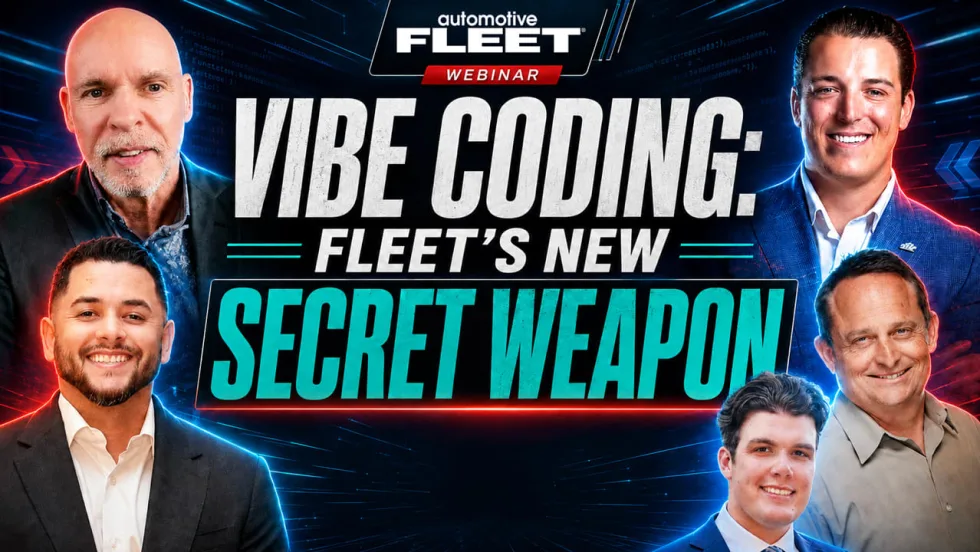
How to Build Custom Fleet Tools With AI and Vibe Coding [Webinar]
A new Automotive Fleet webinar explores how fleet managers are using AI and vibe coding to automate routine work and create simple operational tools without traditional programming skills.
Read More →
Is Fleet Ready for Its New Disruptors?
Three emerging leaders from a corporate fleet, public fleet, and the automotive supply chain will bring new ideas and a willingness to challenge industry norms to the Fleet Forward Conference stage.
Read More →
NAFA Announces 2026 Fleet Safety Symposium Education Program
Register for NAFA’s Fleet Safety Symposium and save $200 on your Fleet Forward Conference registration.
Read More →
Fleet Managers Take the Lead in Hands-On AI Workshop at FFC
The fleet manager-led session will show how to use “vibe coding” to build practical fleet tools without a traditional programming background.
Read More →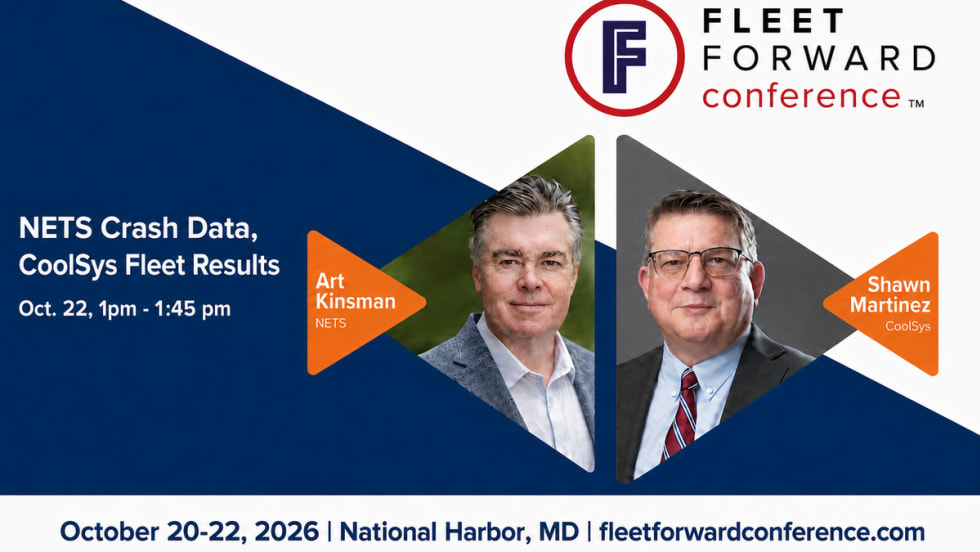
NETS Crash-Cost Data and CoolSys’ 80% Loss Reduction Take Center Stage at FFC
NETS will present findings from its latest Cost of Crashes research, then CoolSys safety leader and author Shawn Martinez will explain how the company built a safer driving culture across 3,500 employees.
Read More →
Is Your Grey Fleet Creating an Unmanaged Safety Risk?
NCR Atleos Fleet Manager Jose Rocha will join Cardata and SambaSafety experts at Fleet Forward Conference to examine how fleets can extend safety oversight to every employee who drives for business.
Read More →