




Driver Charged with Murder After Black Box Shows Vehicle Was Traveling 70 MPH
FARMINGTON HILLS — The driver of a 2005 GMC Yukon Denali who police say caused a four-car crash that killed a woman and her two sons was charged May 5 with three counts of second-degree murder, according to the Detroit News.
FARMINGTON HILLS — The driver of a 2005 GMC Yukon Denali who police say caused a four-car crash that killed a woman and her two sons was charged May 5 with three counts of second-degree murder, according to the Detroit News. According to the newspaper, Thomas Wellinger, 48, of Farmington Hills was arraigned from his room at Beaumont Hospital in Royal Oak, where he is recovering from a broken neck. Not guilty pleas to the charges were entered for him, added the Detroit News. Police said a severely intoxicated Wellinger slammed his Yukon into a 1999 Honda driven by Judith Reiff Weinstein, 49, who was with her sons, Alex, 12, and Sam, 9. The three Weinsteins, legally stopped in a lane waiting to make a left turn, were killed when the crash sent their vehicle into the path of oncoming cars, police said. The charge against Wellinger was elevated to murder based on new evidence obtained from the Yukon's sensory diagnostic module — more commonly known as a black box — and analyzed by the Michigan State Police, reported the Detroit News. "The information is pretty telling," said Farmington Hills Police Chief William Dwyer. "It shows the Yukon traveling at 70 miles per hour at the time of impact and at no point for five seconds prior to the crash was there any application of the brakes," he said in the newspaper article.
More Safety

NAFA Fleet Safety Symposium to Collocate With 2026 Fleet Forward Conference
The daylong certificate program will precede the Fleet Forward Conference at the Gaylord National Harbor in Maryland.
Read More →
The Distractions You Can’t Turn Off: What Drivers Face Outside the Vehicle
Fleet drivers face constant visual, cognitive, and environmental interruptions the moment they hit the road. From roadside chaos to mental fatigue and digital overload, today’s biggest driving risks often come from outside the vehicle itself.
Read More →
FLASH Weather AI Launches First Deep-Learning Hail Prediction Model With High-Resolution Forecasting
FLASH Weather AI has launched a first-of-its-kind hail prediction model capable of forecasting hail size and arrival time at 1-kilometer resolution up to 55 minutes ahead, giving fleets and insurers critical time to prepare for severe storms.
Read More →
How Coca-Cola United Protects Its Fleet from Growing Legal Risk
As litigation risk rises, vehicles are increasingly targeted. This Coca-Cola bottler shares how it’s reducing exposure through driver training, technology, and a proactive risk management approach.
Read More →
How to Speak the Same Language on Fleet Safety
Drivers, supervisors, and data often speak different safety “languages.” Getting on the same page will drive better results.
Read More →
Fleet Cybersecurity 101: What You Need from Your Technology Vendors
From identity management to third-party certifications, the right technology partner should make security easier to manage. Here are the three building blocks that fleet managers need to stay in control as connected systems scale.
Read More →
Reducing Risk by Eliminating Phone Use Behind the Wheel
Distracted driving remains one of the most persistent risks in fleet operations. New approaches focus on removing mobile device use entirely while adding real-time safety support.
Read More →
Distracted Driving in the Age of Smart Tech – Part 2
As distraction risks evolve, fleets are turning to smarter, more connected technologies to better understand what’s happening behind the wheel. Part 2 explores how these tools are helping identify risky behaviors and improve visibility across operations.
Read More →
Data Rights, Risks, and Responsibilities After a Crash
What fleets capture to improve safety can also expose them in litigation, forcing leaders to rethink how data is managed, stored, and shared.
Read More →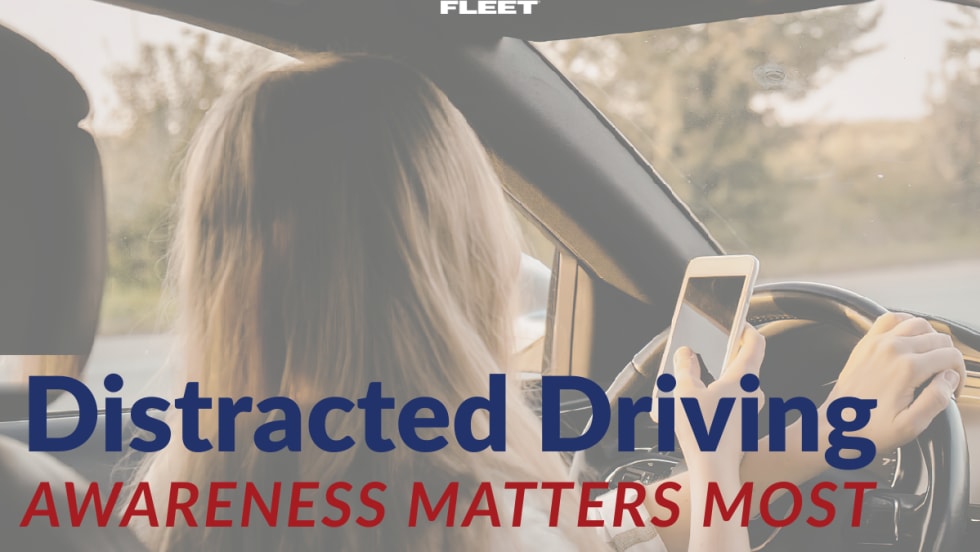
From Distraction to Detection: Strengthening Awareness in Fleet Drivers
Distracted driving is often measured by what we can see—phones in hand, eyes off the road. But what about the distractions we can’t? A recent incident raises a bigger question about awareness, attention, and why subtle risks so often go unnoticed.
Read More →