




DOT Proposes On-Board Recorder Requirement
WASHINGTON - The U.S. Department of Transportation's Federal Motor Carrier Safety Administration (FMCSA) on Jan. 31 issued a regulatory proposal that would require interstate commercial truck and bus companies to install electronic on-board recorders (EOBRs) to monitor their drivers' hours-of-service (HOS) compliance.
WASHINGTON - The U.S. Department of Transportation's Federal Motor Carrier Safety Administration (FMCSA) on Jan. 31 issued a regulatory proposal that would require interstate commercial truck and bus companies to install electronic on-board recorders (EOBRs) to monitor their drivers' hours-of-service (HOS) compliance.
The proposed rule would also relieve interstate motor carriers from retaining certain HOS supporting documents, such as delivery and toll receipts, which are currently used to verify the total number of hours drivers spend operating the vehicle. This part of the proposal fulfills an order of the U.S. Court of Appeals for the District of Columbia requiring FMCSA to publish a notice of proposed rulemaking regarding supporting documents by January 31, 2011, according to the DOT.
"We cannot protect our roadways when commercial truck and bus companies exceed hours-of-service rules," said Transportation Secretary Ray LaHood. "This proposal would make our roads safer by ensuring that carriers traveling across state lines are using EOBRs to track the hours their drivers spend behind the wheel."
EOBRs are devices attached to commercial vehicles that automatically record the number of hours drivers spend operating the vehicle. Several carriers, including Schneider National, Maverick USA, J.B. Hunt, Knight Transportation and U.S. Express Enterprise, have already installed EOBR technology on their fleets. Approximately 500,000 carriers would be affected by the proposed rule.
Under the proposal, interstate carriers that currently use "records of duty" (RODS) logbooks to document drivers' HOS would be required to use EOBRs. Short-haul interstate carriers that use timecards to document HOS would not be required to use EOBRs.
Carriers that violate this EOBR requirement would face civil penalties of up to $11,000 for each offense. Noncompliance would also negatively impact a carrier's safety fitness rating and DOT operating authority.
In April 2010, FMCSA issued a final rule that mandates EOBRs for interstate carriers with serious patterns of HOS violations.
"This proposal is an important step in our efforts to raise the safety bar for commercial carriers and drivers," said FMCSA Administrator Anne S. Ferro. "We believe broader use of EOBRs would give carriers and drivers an effective tool to strengthen their HOS compliance."
The comment period begins once the proposed rule is published in the Federal Register. For the proposal and information about how to submit comments, click here.
More Safety

Nexar-Nauto Merger Aims to Give Fleets Better Safety Intelligence Through Larger Driving Dataset
Stefan Heck tells Automotive Fleet that combining more than 10 billion miles of driving history with Nexar's AI models will give fleets deeper insights into driver risk and roadway conditions than either company could provide independently.
Read More →
Don't Wait for a Crisis: 5 Ways to Build Mental Health Into Your Fleet Safety Program
For Suicide Prevention Month, fleet and safety leaders have an opportunity to put mental health where it belongs: at the center of workplace safety.
Read More →
How Camera Data Can Strengthen a Fleet’s Insurance Renewal
Insights from a commercial insurance carrier and a broker show how fleets can turn video telematic data, driver coaching, and improved claims results into a stronger case at insurance renewal.
Read More →
The Safest Fleets Aren’t the Ones with the Most Technology
You’ve made the telematics investment. Here’s how to capture the other half of its value and build the safest fleet on the road.
Read More →
Hidden in Plain Sight: Fleet Compliance Risks
Fleet compliance isn't just about having policies — it's about consistently enforcing them. This practical guide reveals six hidden compliance risks common in public sector and shared fleet operations and outlines proven strategies to improve visibility, accountability, and audit readiness
Read More →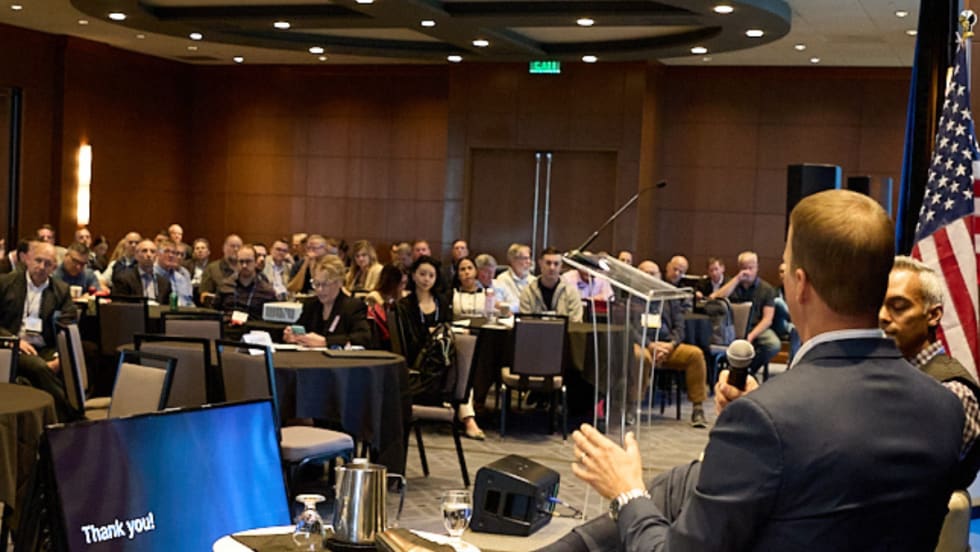
NETS Sets 2026 Fleet Safety Benchmark Conference for Indianapolis
The Sept. 15–17 program will feature fleet benchmarking data, case studies, emerging technologies, and implementation strategies while running alongside the NSC Safety Congress & Expo.
Read More →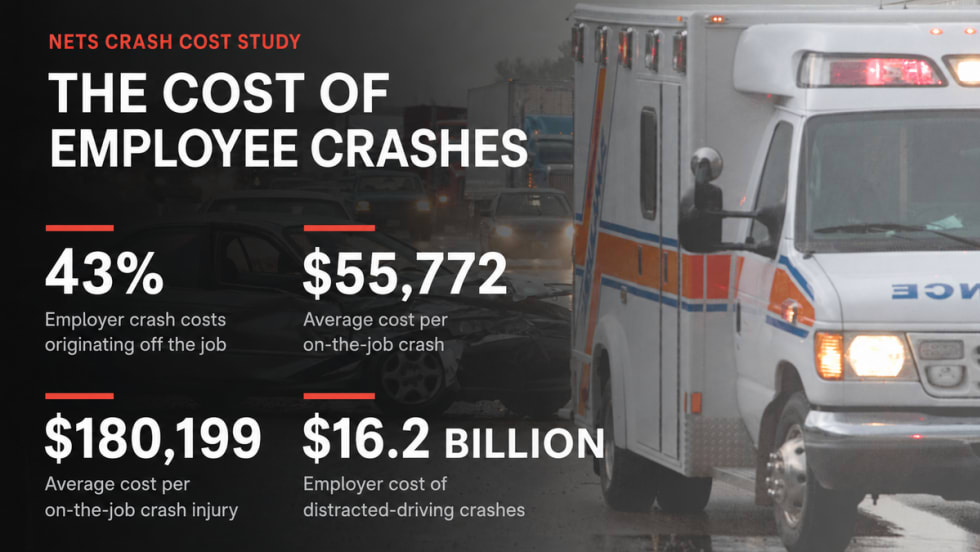
Off-the-Job Crashes Account for 43% of Employers’ $61.7 Billion Crash Burden
NETS quantifies costs dispersed across fleet, risk, HR, and other departments while providing new per-crash benchmarks for employers.
Read More →
Ram Recalls More Than 1.27 Million 1500 Pickups for Seat Belt Anchor Issue
The recall affects certain 2019-2026 Ram 1500 pickups that may have improperly attached second-row seat belt buckle anchors.
Read More →
How Better Visibility Cut Speeding Violations by 48%
Fleet leaders don't need more data, they need clearer visibility into what the data is saying. This case study explores how one utility replaced speeding-event counts with a single metric — miles driven in violation — to strengthen safety and significantly reduce speeding violations.
Read More →
Operation Safe Driver Week: Why the Industry's Oldest Safety Campaign Still Matters to Fleets
A look at how a 2007 enforcement initiative became one of the most consequential weeks on the fleet safety calendar, and what it means for your drivers in 2026.
Read More →