




DOT & EPA Set First GHG Emissions Standards
WASHINGTON - The U.S. Department of Transportation (DOT) and the U.S. Environmental Protection Agency (EPA) jointly established historic new federal rules April 1 that set the first-ever national greenhouse gas emissions standards and will significantly increase the fuel economy of all new passenger cars and light trucks sold in the U.S.
WASHINGTON - The U.S. Department of Transportation (DOT) and the U.S. Environmental Protection Agency (EPA) jointly established historic new federal rules April 1 that set the first-ever national greenhouse gas emissions standards and will significantly increase the fuel economy of all new passenger cars and light trucks sold in the United States, the DOT announced.
According to the DOT, the rules could potentially save the average buyer of a 2016 model-year car $3,000 over the life of the vehicle and, nationally, will conserve about 1.8 billion barrels of oil and reduce nearly a billion tons of greenhouse gas emissions over the lives of the vehicles covered.
These final rules, issued by DOT's National Highway Traffic Safety Administration (NHTSA) and EPA, establish increasingly stringent fuel economy standards under NHTSA's Corporate Average Fuel Economy program and greenhouse gas emission standards under the Clean Air Act for 2012 through 2016 model-year vehicles.
Starting with 2012 model-year vehicles, the rules together require automakers to improve fleet-wide fuel economy and reduce fleet-wide greenhouse gas emissions by approximately five percent every year. NHTSA has established fuel economy standards that strengthen each year reaching an estimated 34.1 mpg for the combined industry-wide fleet for model year 2016.
Because credits for air-conditioning improvements can be used to meet the EPA standards, but not the NHTSA standards, the EPA standards require that by the 2016 model-year, manufacturers must achieve a combined average vehicle emission level of 250 grams of carbon dioxide per mile. The EPA standard would be equivalent to 35.5 miles per gallon if all reductions came from fuel economy improvements.
[PAGEBREAK]
Specifically, the new National Program:
Reduces carbon dioxide emissions by about 960 million metric tons over the lifetime of the vehicles regulated, equivalent to taking 50 million cars and light trucks off the road in 2030.
Conserves about 1.8 billion barrels of oil over the lifetime of the vehicles regulated.
Enables the average car buyer of a 2016 model year vehicle to enjoy a net savings of $3,000 over the lifetime of the vehicle, as upfront technology costs are offset by lower fuel costs.
"These are the first national standards ever to address climate change," said EPA Assistant Administrator for Air and Radiation Gina McCarthy. "Over the coming years, America will witness an amazing leap forward in vehicle technologies, delivering fuel efficiency that will save us money and protect the environment."
NHTSA and EPA expect automobile manufacturers will meet these standards by more widespread adoption of conventional technologies that are already in commercial use, such as more efficient engines, transmissions, tires, aerodynamics, and materials, as well as improvements in air conditioning systems. Although the standards can be met with conventional technologies, EPA and NHTSA also expect that some manufacturers may choose to pursue more advanced fuel-saving technologies like hybrid vehicles clean diesel engines, plug-in hybrid electric vehicles, and electric vehicles.
For the text of the rule and additional information, click here.
More Green Fleet
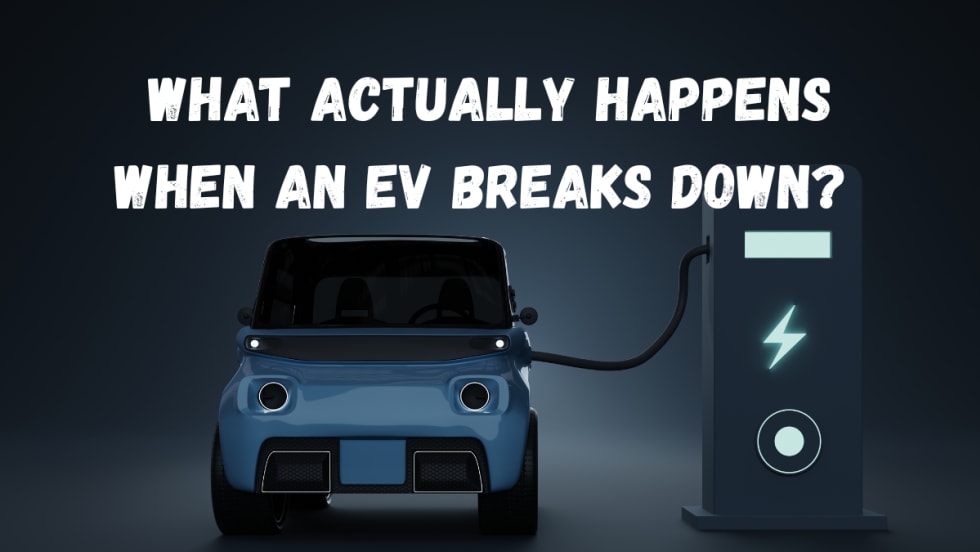
The EV Breakdown Nobody's Talking About: Why Most Electric Vehicle Roadside Calls Aren't Mechanical Failures
Here's why EV breakdowns are widely misunderstood.
Read More →
ChargePoint Now Available in Energy Pass
ChargePoint and additional planned charging network integrations were added to GM's Energy Pass.
Read More →

First Look: Slate Auto's Electric Fleet Pickup
Could an affordable, modular EV pickup make electrification more practical for fleets?
Read More →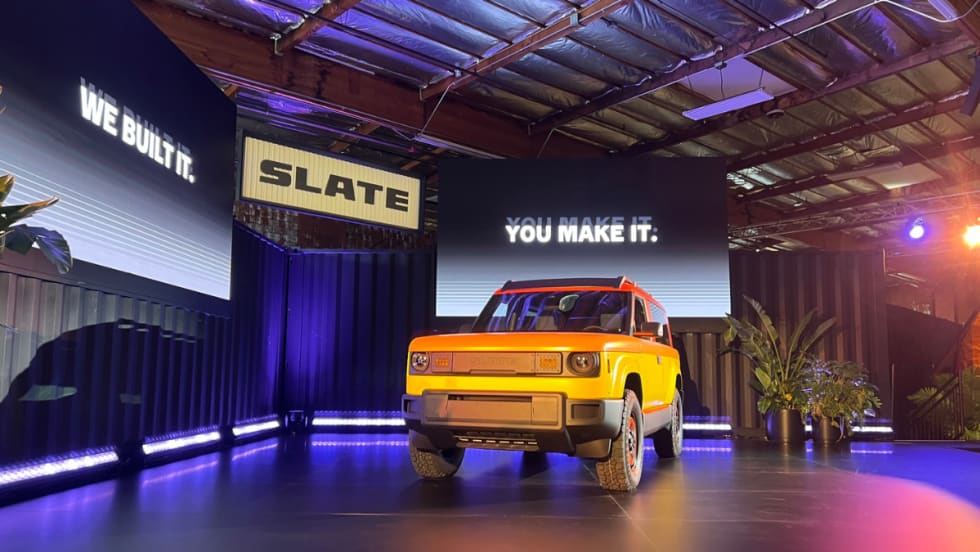
Slate Debuts Colorful, Unique EV Models
A recent media and client event, studded with electric vehicles dressed up on platforms, planted a new position for the manufacturer in the wider EV market. Fleets will find cost-saving advantages.
Read More →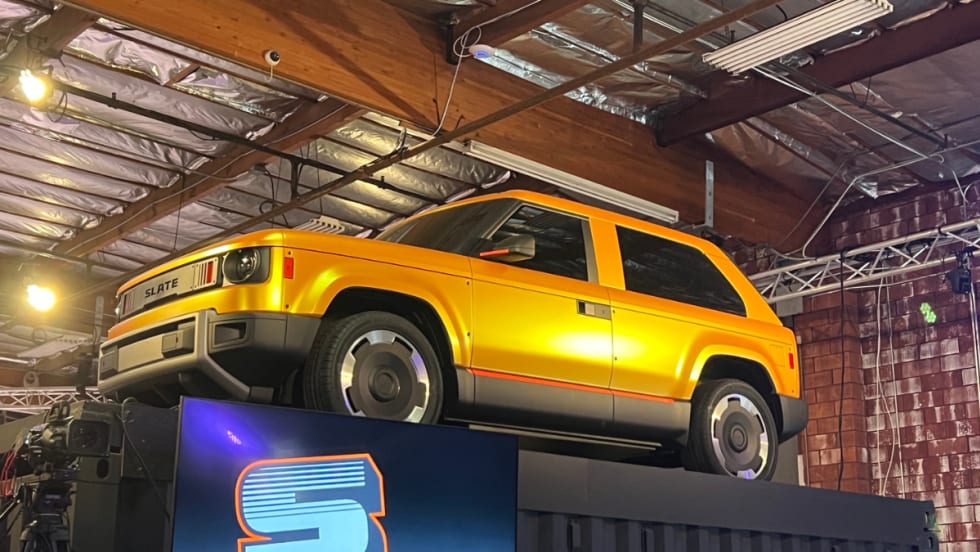
Slate Electric SUV, Pickup Switchable Model Aims For Light-Duty Fleets
Everything about this EV is counterintuitive and understated, making it stand out from the crowd.
Read More →
Inspiration Mobility Acquires Key Electrada Assets
Inspiration Mobility Group has acquired select assets of Electrada, adding the fleet electrification provider's team, technology, and charging infrastructure development capabilities to its energy management business.
Read More →
Turning Connected Vehicle Data Into Decisions That Matter
Fleet leaders have more data than ever, but turning that data into clear, actionable decisions remains a challenge. This white paper shows how leading organizations are using connected vehicle data to improve safety, reduce costs, and optimize fleet performance. Learn how to turn insight into action across your fleet.
Read More →
Are You Tracking Your Fleet's True Total Cost of Ownership?
Bobit Business Media surveyed 190 fleet professionals and found that while most fleets are tracking costs, fragmented systems and data gaps are keeping true TCO visibility out of reach. With rising pressure to control spend in an increasingly volatile environment, the gap between what fleets think they know and what the data actually shows is wider than you might expect. See how your peers are managing costs today and where the industry still has room to improve.
Read More →
Hybrids: Electrification Without the Challenges
For fleet managers, fuel is one of the biggest line items in the budget — and it's one hybrids can shrink without changing how your people work. Download the eBook to see the numbers, understand the technology, and get a step-by-step guide to making the switch.
Read More →