




DOT Cracks Down on Distracted Drivers
WASHINGTON - Connecticut and New York drivers caught texting or talking on a hand-held cell phone will be pulled over and ticketed in the latest "Phone in One Hand, Ticket in the Other" distracted driving campaign.
WASHINGTON - "Phone in One Hand. Ticket in the Other," is the latest campaign against distracted driving being implemented by the U.S. Department of Transportation (USDOT) in Hartford, Conn., and Syracuse, N.Y., this month. The pilot programs are designed to test whether increased law enforcement efforts can get distracted drivers to put down their cell phones and focus on the road.
Similar to previous efforts to curb drunk driving and increase seat belt use among drivers, the pilot programs are the first federally funded efforts in the country to specifically focus on the effects of increased enforcement and public advertising on reducing distracted driving. Drivers caught texting or talking on a hand-held cell phone will be pulled over and ticketed. "It's time for drivers to act responsibly, put their hands on the wheel, and focus on the road," said USDOT Secretary Ray LaHood.
High visibility enforcement was scheduled to begin in the Syracuse metropolitan area April 8-17, while the crackdown in the Hartford metropolitan area will take place April 10-16. Subsequent enforcement waves in both states will take place throughout the course of the year-long program.
The program will be also be supported by a paid advertising campaign that focuses on men and women up to the age of 49 and will air April 1-16 in the Hartford and Syracuse metropolitan areas.
Each pilot program is supported by $200,000 in federal funds and matched by $100,000 from the state. Researchers will study changes in attitudes and behavior from beginning to end and the results will serve as a model for employing high visibility enforcement, education, and outreach to reduce distracted driving behaviors in other cities and states across the country.
"There is no question that high-visibility enforcement combined with effective public advertising works. We've seen the results first-hand with national campaigns like Click It or Ticket and Drunk Driving. Over The Limit. Under Arrest," said NHTSA Administrator David Strickland. "Distracted driving is a growing problem-the numbers tell the story of these preventable tragedies."
In 2008 alone, nearly 6,000 people were killed and more than a half million people were injured in crashes involving a distracted driver nationwide, according to research by the National Highway Traffic Safety Administration (NHTSA). Almost 20 percent of all crashes that same year involved some type of distraction.
Nationwide, six states prohibit all drivers from using hand-held cell phones while driving and twenty-one states have enacted texting bans.
To learn more visit www.distraction.gov.
More Safety
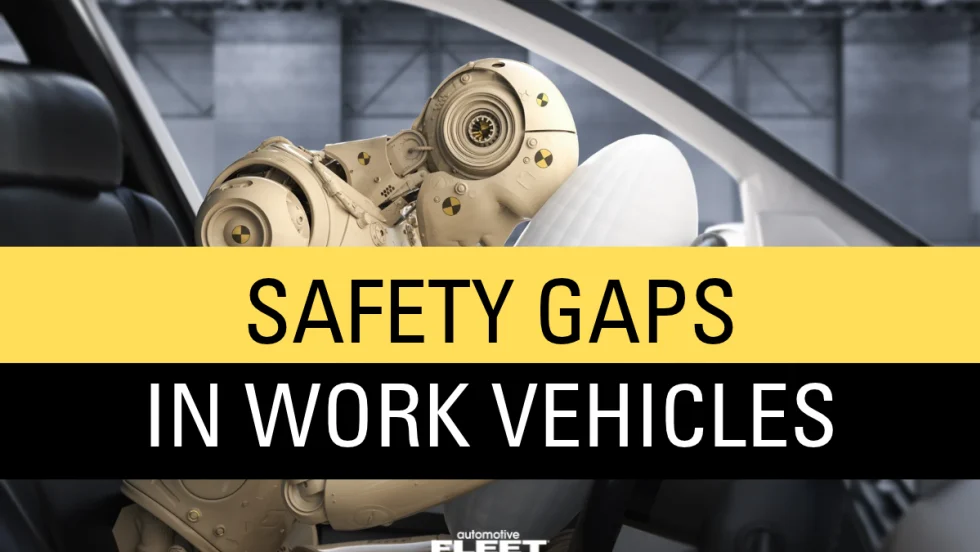
IIHS Crash Avoidance Tests Reveal Safety Gaps in Cargo Vans and Work Trucks
New crash-avoidance ratings from the Insurance Institute for Highway Safety reveal inconsistent performance among commercial vehicles, with several popular cargo vans and heavy-duty pickups struggling to avoid collisions with other vehicles and pedestrians.
Read More →
What’s Next for Fleet? Safety, AI & Industry Recognition | AF News Recap
Could your company's culture be encouraging distracted driving? This week, we're exploring how workplace expectations affect driver safety, what AI, EVs, and autonomous vehicles could mean for the future of fleet management, and how fleet professionals can strengthen their award nominations.
Read More →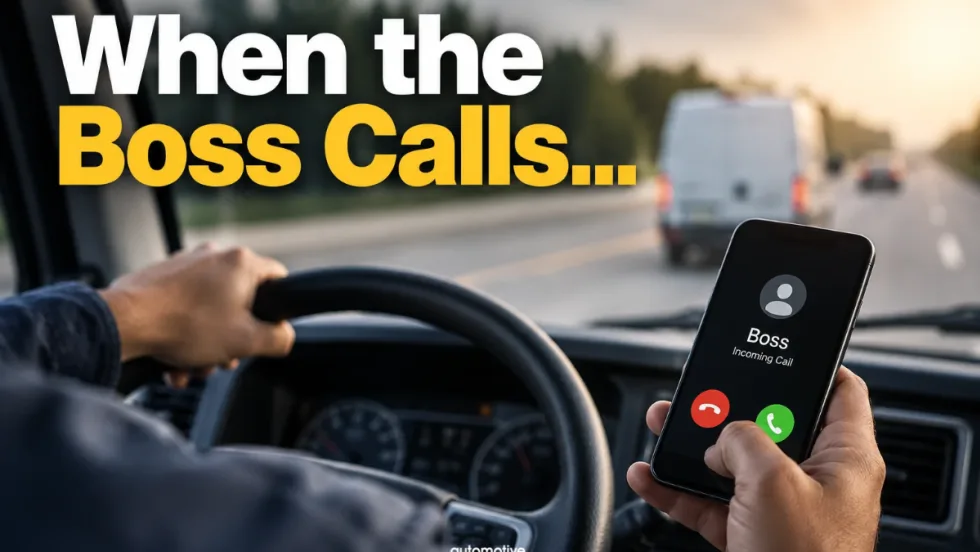
Does Your Fleet's Culture Encourage Distracted Driving?
What happens when the people responsible for enforcing safety rules are the ones setting the wrong example? The answer may reveal why some of the biggest risks to fleet drivers have little to do with what's written in the employee handbook.
Read More →
Fleet Manager’s Ultimate Playbook: Navigating the New Standard in OEM Connectivity
Rising operating costs, driver safety concerns, and unplanned downtime are putting unprecedented pressure on modern fleets. Discover how fleet managers use embedded OEM connectivity and real-time vehicle data to cut TCO, prevent downtime, and protect drivers without aftermarket telematics hardware.
Read More →
From Driver Well-Being to EV Charging | AF News Recap
Mental health belongs in the fleet safety conversation. This week, we’re looking at five ways fleets can support employee well-being before a crisis, plus Holman’s expansion in Mexico, new one-day Fleet Forward passes, and why EV charging demand is outpacing infrastructure growth.
Read More →
Nexar-Nauto Merger Aims to Give Fleets Better Safety Intelligence Through Larger Driving Dataset
Stefan Heck tells Automotive Fleet that combining more than 10 billion miles of driving history with Nexar's AI models will give fleets deeper insights into driver risk and roadway conditions than either company could provide independently.
Read More →
Don't Wait for a Crisis: 5 Ways to Build Mental Health Into Your Fleet Safety Program
For Suicide Prevention Month, fleet and safety leaders have an opportunity to put mental health where it belongs: at the center of workplace safety.
Read More →
How Camera Data Can Strengthen a Fleet’s Insurance Renewal
Insights from a commercial insurance carrier and a broker show how fleets can turn video telematic data, driver coaching, and improved claims results into a stronger case at insurance renewal.
Read More →
The Safest Fleets Aren’t the Ones with the Most Technology
You’ve made the telematics investment. Here’s how to capture the other half of its value and build the safest fleet on the road.
Read More →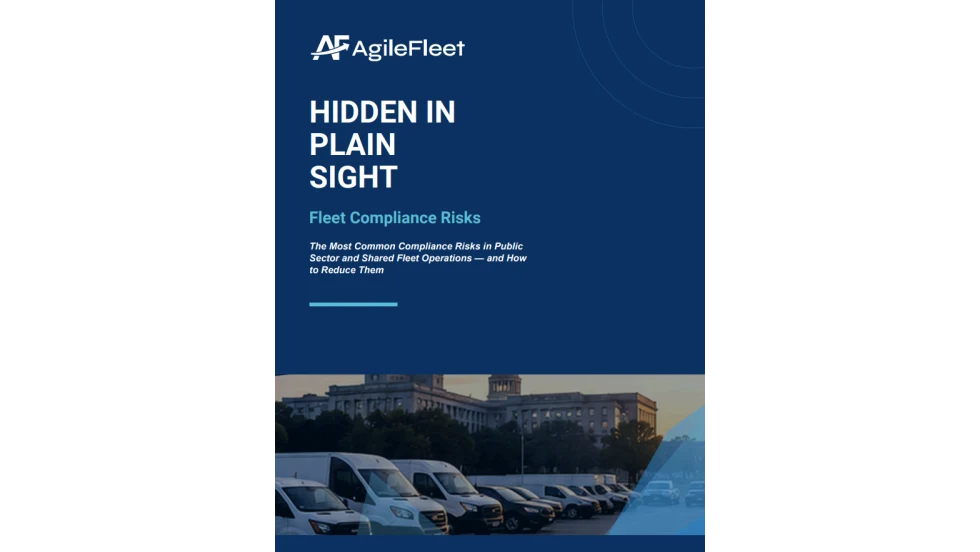
Hidden in Plain Sight: Fleet Compliance Risks
Fleet compliance isn't just about having policies — it's about consistently enforcing them. This practical guide reveals six hidden compliance risks common in public sector and shared fleet operations and outlines proven strategies to improve visibility, accountability, and audit readiness
Read More →