




Detroit’s New Hybrid Refuse Trucks Now on the Road
The City of Detroit took delivery of eight new hybrid refuse trucks with funding assistance from the Clean Energy Coalition (CEC). CEC provided funding to cover the incremental cost of the hybrid system.
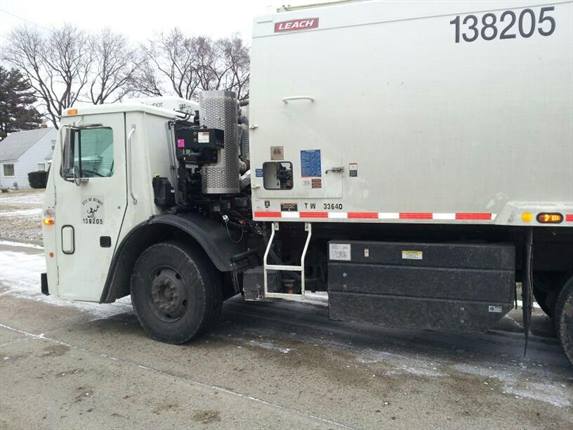
The Bosch Rexroth hydrostatic regenerative braking (HRB) system installed in each truck operates in parallel with the vehicle’s engine. If there is a problem with the hydraulic system, the truck can still operate. According to Bosch, this could result in fuel savings of up to 25 percent.
The City of Detroit in December 2012 took delivery of eight new hybrid refuse trucks with funding assistance from the Clean Energy Coalition’s (CEC) Michigan Green Fleets Program.
The base price of each truck is is $180,000. Clean Energy Coalition provided the City of Detroit with grant funding totaling $40,000 per truck, which covered the additional cost of the hybrid system. The trucks, Mack LEU chassis with Bosch Rexroth hybrid technology system, each cost $220,000.
The Bosch Rexroth hydrostatic regenerative braking (HRB) system installed in each truck operates in parallel with the vehicle’s engine. If there is a problem with the hydraulic system, the truck can still operate. According to Bosch, this could result in fuel savings of up to 25 percent.
A representative from the City of Detroit’s Department of Public Works said, “The vehicle is turned off while our workers are loading the truck and when the vehicle stops as a traffic light. We expect that a considerable amount of fuel will be saved with the idle-off capability and mileage will be increased.”
According to CEC Project Manager Aaron Champion, the CEC was awarded a Department of Energy grant for $15 million, with funding from the American Recovery and Reinvestment Act (ARRA). The CEC passed along this grant to 12 project partners for fleet greening implementation and alternative-fuel infrastructure construction; the City of Detroit is one of these partners. Western Michigan University is another partner, receiving funding for the installation of 15 electric vehicle charging stations and a solar array, and for the purchase of five electric and two hybrid vehicles.
Along with the grant funding, the CEC provides the City with assistance in the reimbursement process and instruction about how to provide vehicle data as required by the grant.
The CEC’s latest project beneficial to fleet managers is its “Michigan Fuel Forward” program. The DOE, using ARRA funding, awarded the CEC $500,000 to come up with alternative-fuel vehicle deployment plans for fleets. The CEC will provide no-charge consulting services to public agencies in Michigan looking to green their operations. The CEC will soon issue solicitations for interested parties.
More Green Fleet
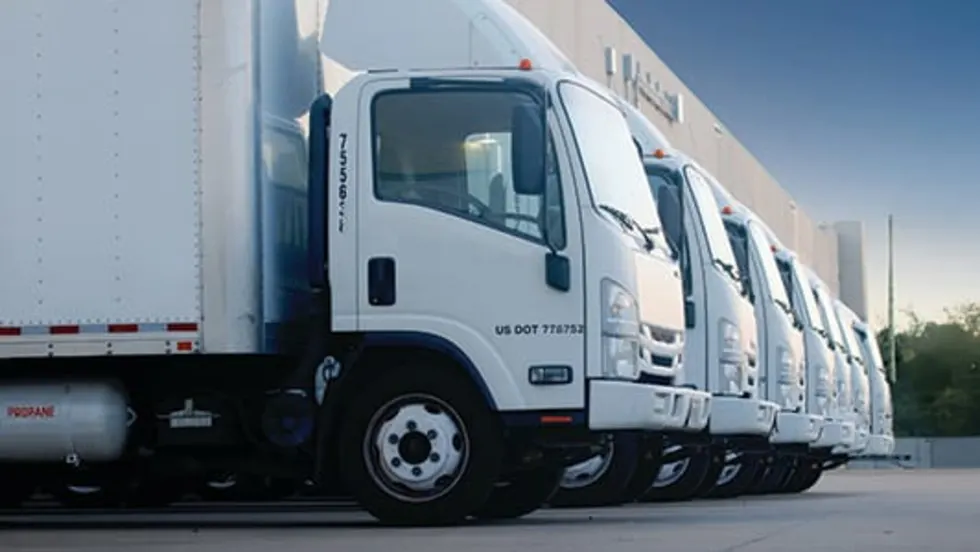
New Propane Autogas Program Offers Fleet Compensation
Qualified commercial fleets can receive $7,500 per eligible propane autogas vehicle and up to $10,000 for new refueling site prep. Learn how the program works and see whether your fleet qualifies.
Read More →
EV Charging Use Is Outpacing Infrastructure Growth
ChargePoint’s 2026 Charging Forward Report points to rising charger use, higher-powered charging, commercial vehicle electrification, and energy-management technology. Here’s what fleets should know.
Read More →
Merchants Fleet Reports 290M EV Miles as Fleets Navigate Changing Electrification Market
From millions in operating savings to hundreds of millions of EV miles, Merchants Fleet’s latest report reveals what’s working and what’s changing in fleet electrification.
Read More →
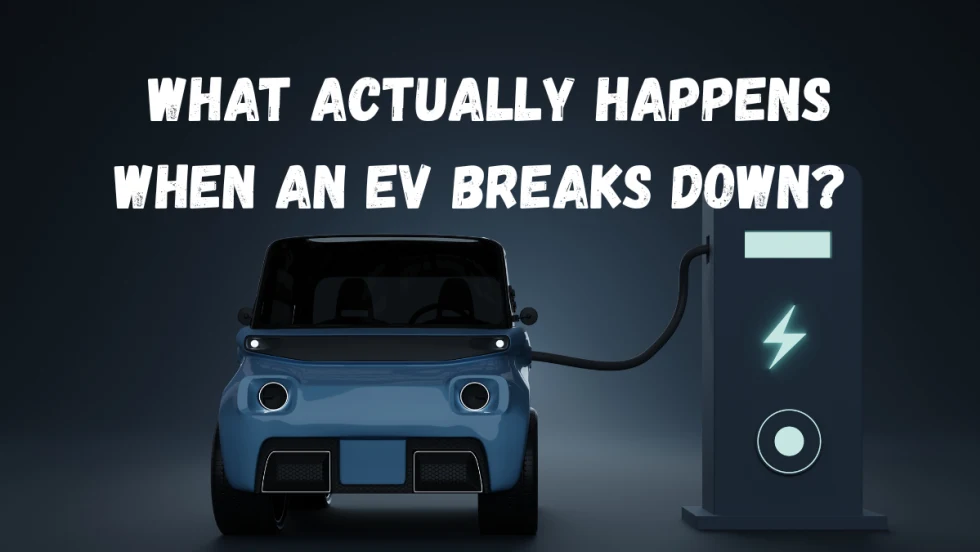
The EV Breakdown Nobody's Talking About: Why Most Electric Vehicle Roadside Calls Aren't Mechanical Failures
Here's why EV breakdowns are widely misunderstood.
Read More →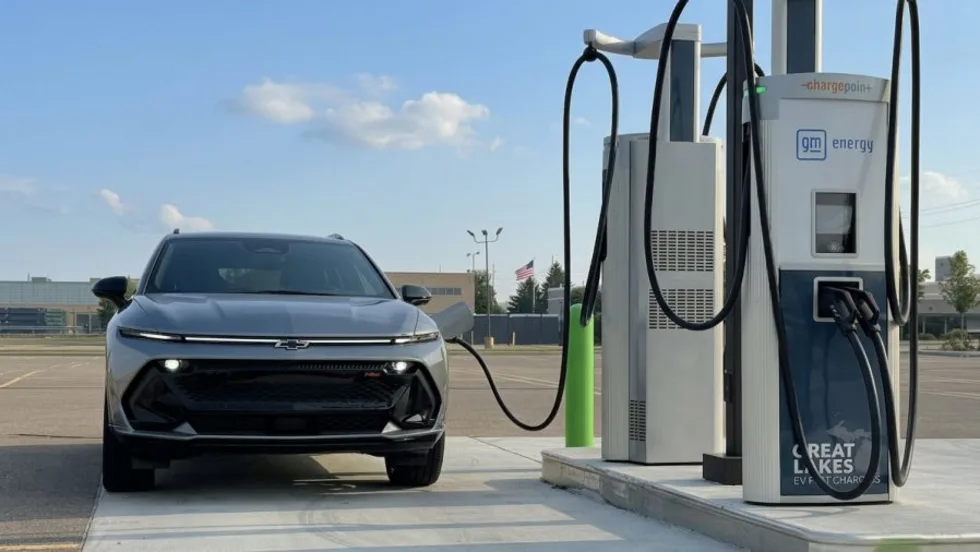
ChargePoint Now Available in Energy Pass
ChargePoint and additional planned charging network integrations were added to GM's Energy Pass.
Read More →

First Look: Slate Auto's Electric Fleet Pickup
Could an affordable, modular EV pickup make electrification more practical for fleets?
Read More →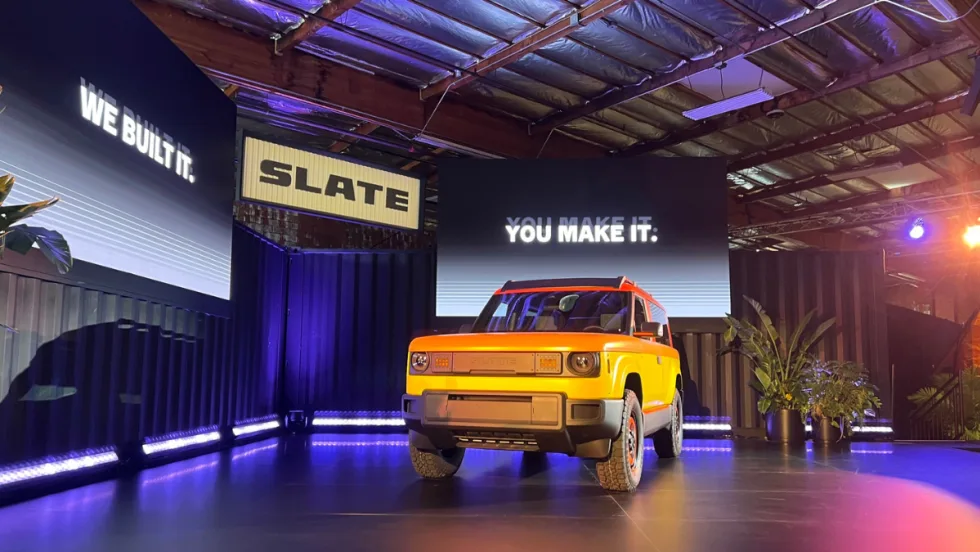
Slate Debuts Colorful, Unique EV Models
A recent media and client event, studded with electric vehicles dressed up on platforms, planted a new position for the manufacturer in the wider EV market. Fleets will find cost-saving advantages.
Read More →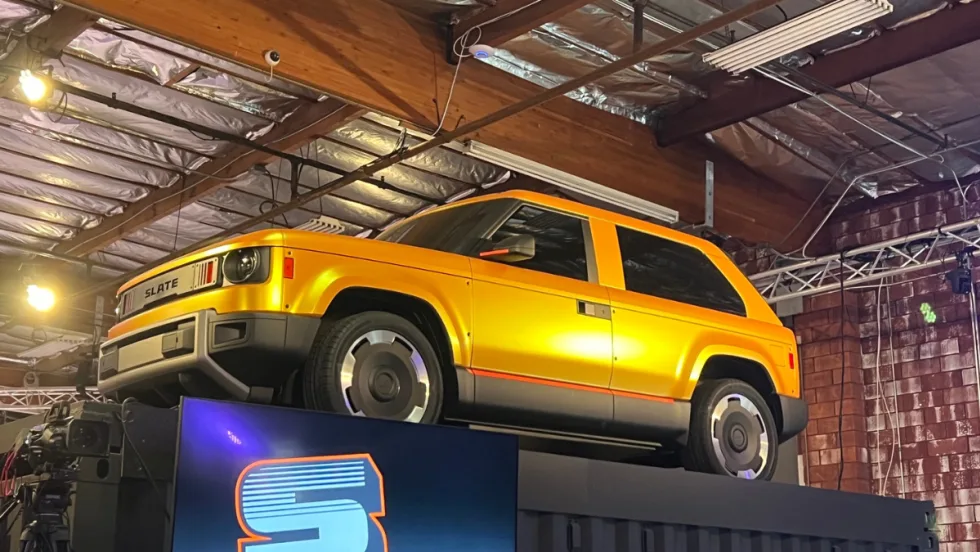
Slate Electric SUV, Pickup Switchable Model Aims For Light-Duty Fleets
Everything about this EV is counterintuitive and understated, making it stand out from the crowd.
Read More →
Inspiration Mobility Acquires Key Electrada Assets
Inspiration Mobility Group has acquired select assets of Electrada, adding the fleet electrification provider's team, technology, and charging infrastructure development capabilities to its energy management business.
Read More →