




Related: Used Pickup Sales Weakening
Depreciation Bites Harder in October, Black Book Says
Depreciation for 1- to 5-year-old vehicles saw a significant increase to 2.9% for October from the 2.3% September rate with passenger cars seeing greater weakness, according to Black Book.
by Staff
November 4, 2016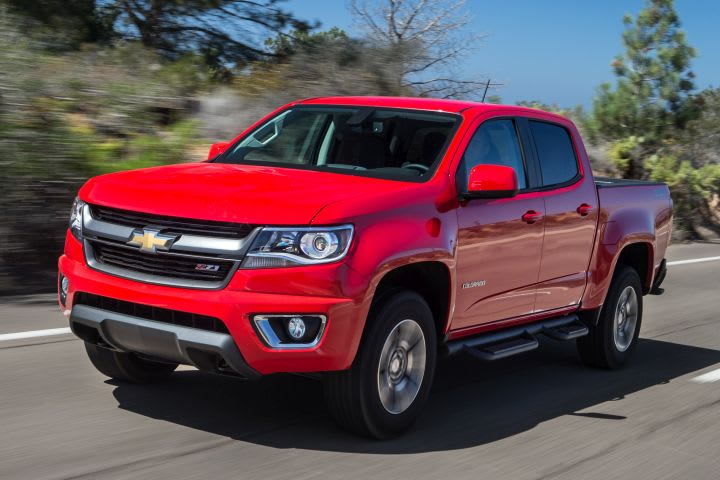
Photo of 2015-MY Chevrolet Colorado courtesy of GM.
2 min to read
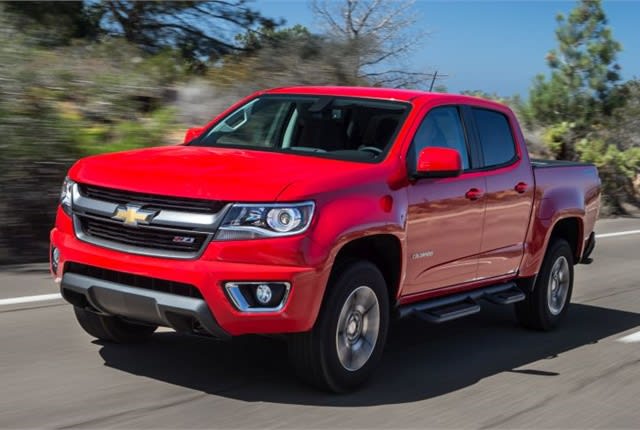
Photo of 2015-MY Chevrolet Colorado courtesy of GM.
Depreciation for 1- to 5-year-old vehicles saw a significant increase to 2.9% for October from the 2.3% September rate with passenger cars seeing greater weakness, according to Black Book.
Cars saw a 3.2% decrease in retained value for the month, while trucks, vans, and SUVs saw a 2.6% depreciation rate. Vehicles from the 2011 to 2015 model years are now averaging an annual depreciation rate of 16.8%.
"We expect pockets of vehicles to see accelerated depreciation as the year comes to a close," said Anil Goyal, senior vice president of automotive valuation and analytics. "Most car segments certainly fall into this category, but we'll be paying special attention on those truck and utility segments that begin to show higher depreciation."
Compact cars saw the highest drop in value with a 3.6% decline to $8,393, which represents a 19.8% decline from a year ago. Vehicles in this category include the Honda Accord, Ford Focus, Toyota Corolla, Hyundai Elantra, Chevrolet Cruze, and the Nissan Sentra. Mid-size cars declined 3.2% to $11,730.
Subcompact SUVs also showed weakness with a 10.2% decline in the past three months. These vehicles include the Buick Encore and Chevrolet Trax.
Smaller pickups maintained their strength in retention value, falling 0.6% to $19,383, which represents an 8.1% decline from a year ago. Vehicles in this segment include the Toyota Tacoma, Nissan Frontier, Chevrolet Colorado, and Honda Ridgeline.
Categories with vehicles that are widely found in fleets or used for commercial purposes were mostly in line with the monthly trend, including full-size pickups (down 2.2% to $26,355), full-size vans (down 2.3% to $22,328, and compact vans (down 2.6% to $14,313). Year over year, vehicles in these categories depreciated 4.6%, 5.9%, and 8.3% respectively.
More Remarketing

Copart to Acquire ACV in $1.9 Billion Deal
The acquisition would expand Copart beyond its traditional salvage business into dealer-to-dealer wholesale remarketing while adding ACV’s vehicle data, inspection, and valuation technology.
Read More →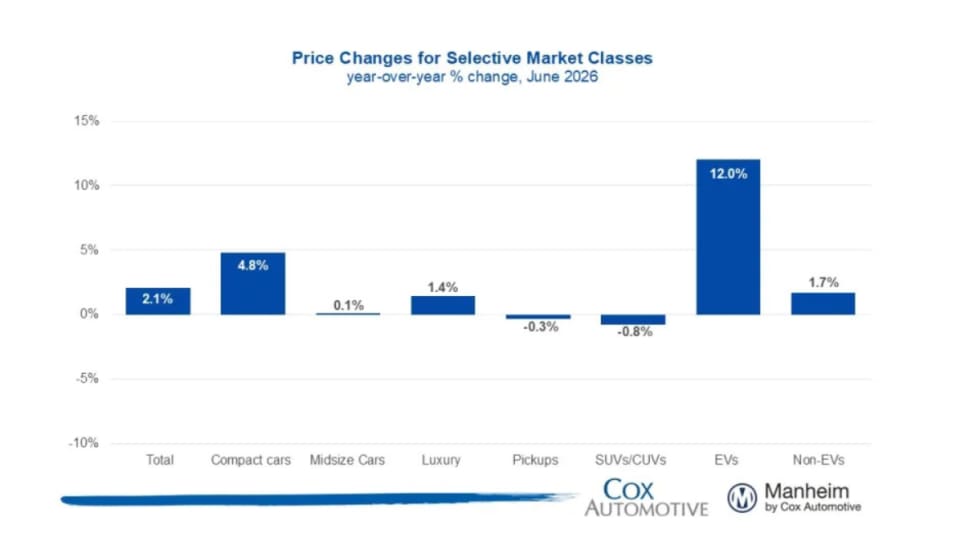
Manheim Index Shows Used-Vehicle Wholesale Prices Up 2.1% in June
The market is seeing stronger appreciation in older used vehicles this year, and the most affordable segments have been among the year’s best performers.
Read More →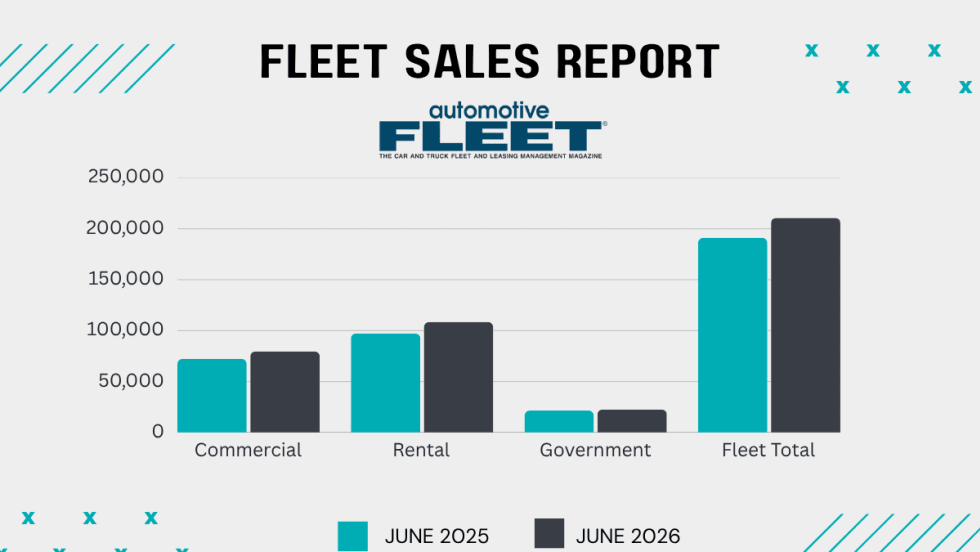
Commercial Fleet Sales Contribute To June, YTD Gains
The fleet sector has boosted its vehicle purchases at a reliable pace in the first half of this year compared with 1H 2025.
Read More →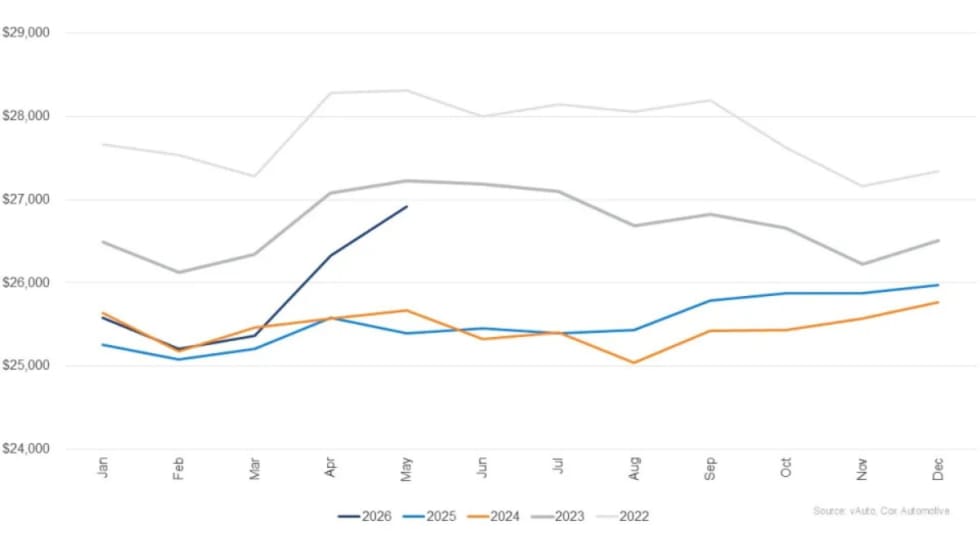
Used Vehicle Prices Climb Higher As Sales Pace Slows
The higher prices at used retail reflect strong wholesale values earlier in the spring, particularly for older, more affordable vehicles.
Read More →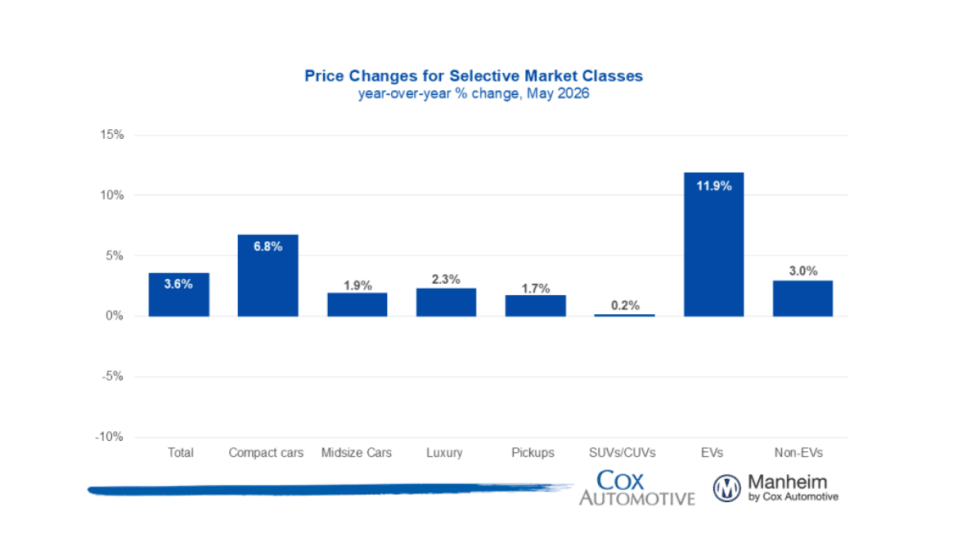
Wholesale Used Vehicle Market Sustains Moderate Rise In Values, Prices
Trends continue to normalize after a strong start to the year, as consumers contend with higher gas prices in the coming summer months.
Read More →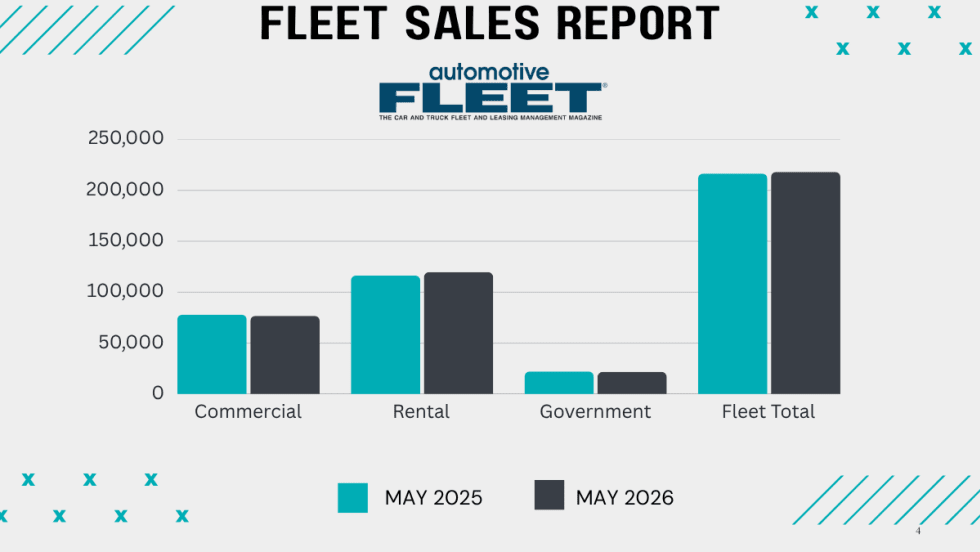
Commercial Fleet Sales Still Lead Sectors Despite May Mini Dip
The U.S. economy's continued growth and positive business investment are creating a favorable environment for fleet vehicle demand.
Read More →
How Connected Vehicle Data Is Lifting Fleet Resale Values
A vehicle health score could improve the value of fleet vehicles at remarketing. The path to a universal standard is forming, and fleets that understand the process early will be better positioned when it arrives.
Read More →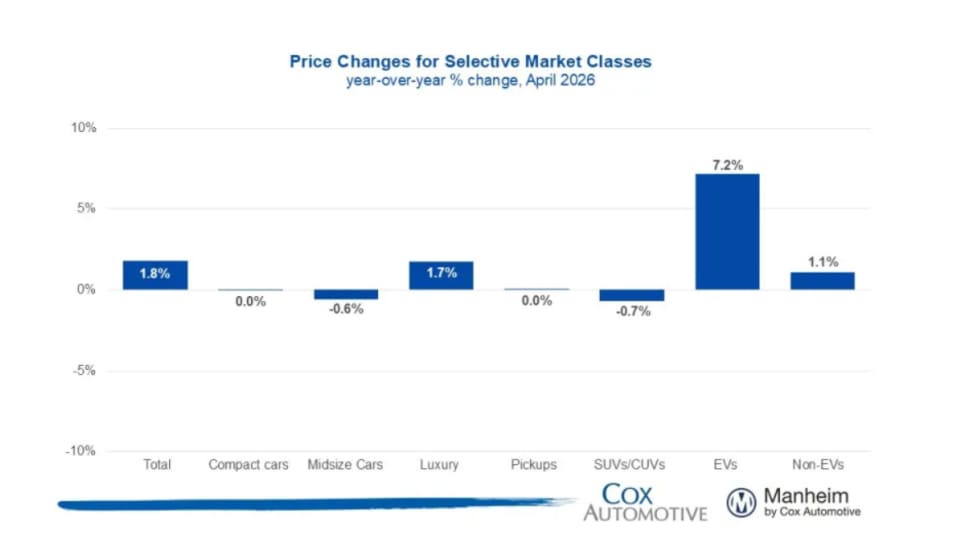
Wholesale Used Vehicle Prices Slightly Up In April
The Iranian conflict and rising gas prices inject much uncertainty into the future wholesale used vehicle markets, as higher gas prices soak up spendable income from vehicle buyers.
Read More →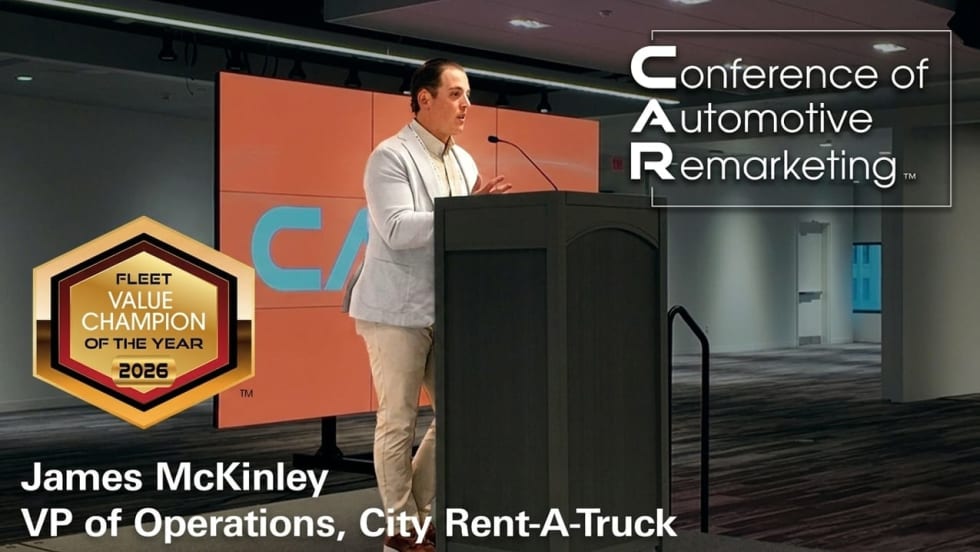
CAR2026: James McKinley Wins Value Champion of the Year
James McKinley of City Rent a Truck was named the inaugural Fleet Value Champion at the CAR Conference for his data-driven approach to fleet lifecycle management and vehicle remarketing.
Read More →
CAR2026: Eric Autenrieth Wins Remarketer of the Year
Eric Autenrieth was recognized at this year's CAR Conference as the Remarketer of the Year.
Read More →