




Denver’s Driving Change Program Reduces Vehicular CO2 Emissions
DENVER - Driving Change, the world’s first Internet-based vehicular greenhouse gas (GHG) tracking system, announced significant reductions in GHG emissions by the City and County of Denver as a result of online feedback on how driving behaviors impact the environment and fuel costs.
DENVER - Driving Change, the world’s first Internet-based vehicular greenhouse gas (GHG) tracking system, announced significant reductions in GHG emissions by the City and County of Denver as a result of online feedback on how driving behaviors impact the environment and fuel costs.
In March 2008, Denver launched a pilot test of Driving Change which uses telemetry technology to send vehicle operating information over the Internet to a GHG management system that provides each participating driver with individualized, online emissions and driving dashboards. These dashboards provide drivers with details of their carbon dioxide (CO2) emissions, a breakdown of driving habits that cause excess carbon emissions, including idling and aggressive driving events (hard braking, fast starts), and the cost of excess fuel consumed.
There are 160 City vehicles and 240 citizen vehicles that have participated in the pilot. According to the United States Environmental Protection Agency, motor vehicles are the fastest growing source of CO2. It has been estimated that GHG from vehicles accounts for 30% of the City and County of Denver’s total carbon footprint. The GHG management system was provided by Enviance, Inc., a California based company, and the telemetry was provided by Cartasite, Inc., a Denver-based company.
In addition to having 30 employees participate in Driving Change, Denver-based EnCana Oil & Gas (USA), Inc (NYSE: ECA) underwrote the program.
Findings from the Driving Change Denver pilot program demonstrate that:
Measurement improves performance:From May through November, there was a 10% overall driving improvement in participating vehicles in Denver (as measured by CO2/mile). This includes reductions in engine idling, fast accelerations and fast stops.
Tracking driving behavior has a great impact on engine idling: From May through November, idling decreased by more than 35% among participating vehicles, which equates to a reduction of 5 minutes of idling (or a little less than 1 pound of CO2) per vehicle, for every hour of operation.
Driver education works: As Driving Change participants were educated in the program’s goals and tracked their results, they became more likely to turn their vehicles off. For example, participating
Denver drivers provided with more extensive education reduced engine idling more than 40% through the end of November.
According to Denver Mayor John Hickenlooper, “Once the Driving Change system revealed and quantified the idling issue, we were able to use the system to target the problem and measure our success in reducing this wasteful practice, allowing us to reduce greenhouse gas emissions and save money on fuel at the same time.”
“Driving Change is another example of Mayor Hickenlooper’s efforts to make Denver a truly sustainable city. We are honored to have provided the telemetry technology that made it possible to extend GHG management to the automobile,” said David Armitage, CEO and President of Cartasite, Inc.
“Having provided the first Internet-based GHG management system to the commercial sector in 2005, it is exciting to prove that the GHG management power of the Enviance System can be extended to tackle vehicular GHG,” said Lawrence Goldenhersh, CEO and President of Enviance. “Through his leadership, Mayor Hickenlooper has provided the world with an important insight on how biofeedback and the Internet can be combined to tackle the GHG. And with idle time reduced 35%, the gasoline savings amounts to hundreds of thousands of dollars per year for a fleet of 2000 vehicles confirming that what’s good for the planet is also good for the bottom line.”
More information on the Driving Change pilot program is available at www.drivingchange.org.
More Green Fleet
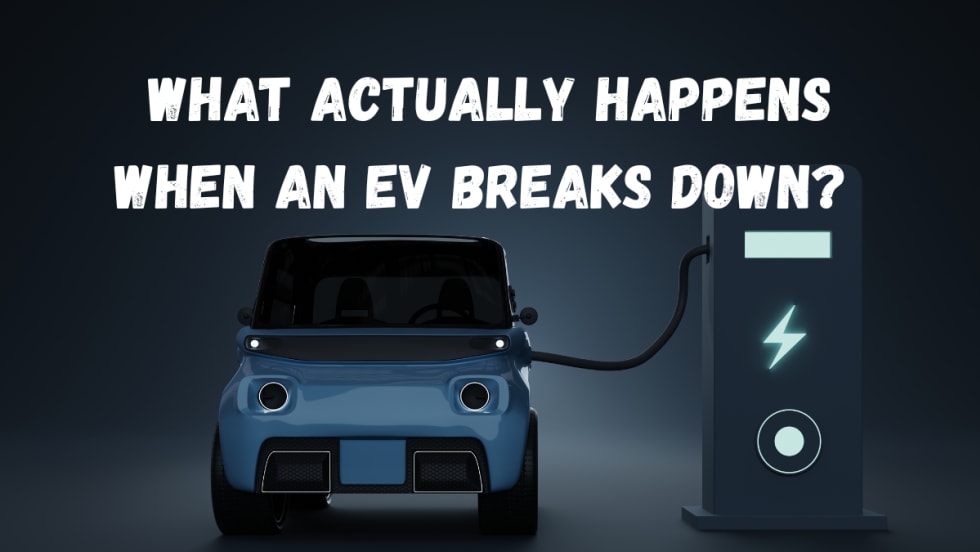
The EV Breakdown Nobody's Talking About: Why Most Electric Vehicle Roadside Calls Aren't Mechanical Failures
Here's why EV breakdowns are widely misunderstood.
Read More →
ChargePoint Now Available in Energy Pass
ChargePoint and additional planned charging network integrations were added to GM's Energy Pass.
Read More →

First Look: Slate Auto's Electric Fleet Pickup
Could an affordable, modular EV pickup make electrification more practical for fleets?
Read More →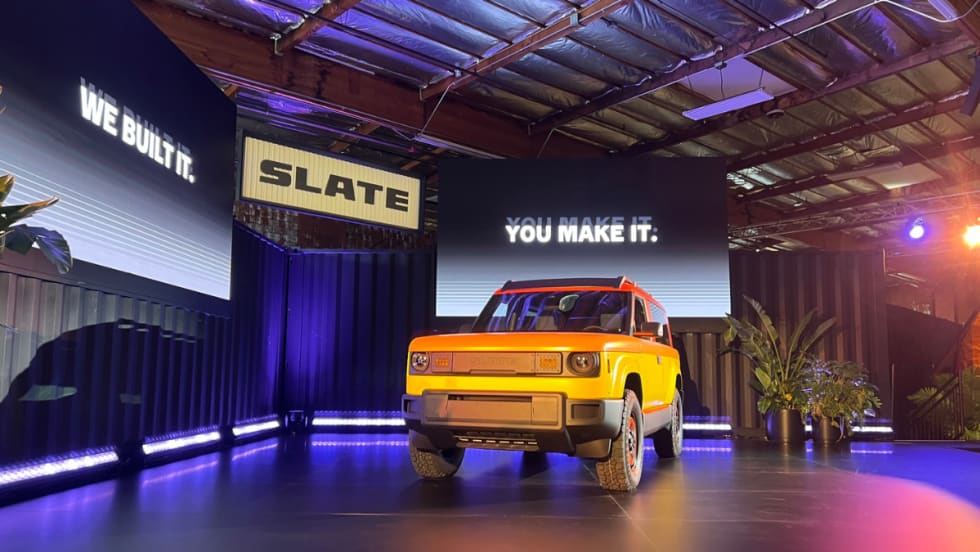
Slate Debuts Colorful, Unique EV Models
A recent media and client event, studded with electric vehicles dressed up on platforms, planted a new position for the manufacturer in the wider EV market. Fleets will find cost-saving advantages.
Read More →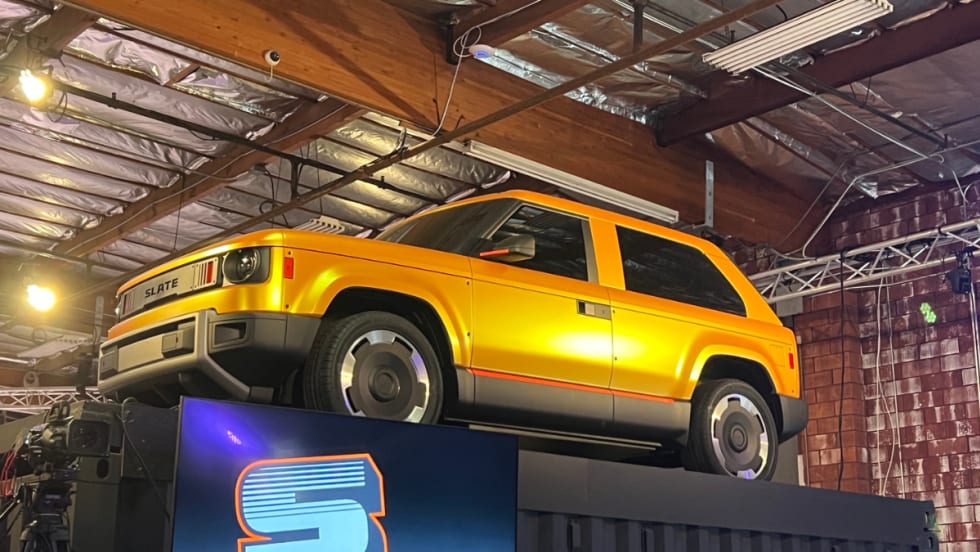
Slate Electric SUV, Pickup Switchable Model Aims For Light-Duty Fleets
Everything about this EV is counterintuitive and understated, making it stand out from the crowd.
Read More →
Inspiration Mobility Acquires Key Electrada Assets
Inspiration Mobility Group has acquired select assets of Electrada, adding the fleet electrification provider's team, technology, and charging infrastructure development capabilities to its energy management business.
Read More →
Turning Connected Vehicle Data Into Decisions That Matter
Fleet leaders have more data than ever, but turning that data into clear, actionable decisions remains a challenge. This white paper shows how leading organizations are using connected vehicle data to improve safety, reduce costs, and optimize fleet performance. Learn how to turn insight into action across your fleet.
Read More →
Are You Tracking Your Fleet's True Total Cost of Ownership?
Bobit Business Media surveyed 190 fleet professionals and found that while most fleets are tracking costs, fragmented systems and data gaps are keeping true TCO visibility out of reach. With rising pressure to control spend in an increasingly volatile environment, the gap between what fleets think they know and what the data actually shows is wider than you might expect. See how your peers are managing costs today and where the industry still has room to improve.
Read More →
Hybrids: Electrification Without the Challenges
For fleet managers, fuel is one of the biggest line items in the budget — and it's one hybrids can shrink without changing how your people work. Download the eBook to see the numbers, understand the technology, and get a step-by-step guide to making the switch.
Read More →