




DaimlerChrysler Expands Use of Biodiesel Fuel in Dodge Ram Pickup Trucks
AUBURN HILLS, MI – DaimlerChrysler will expand the use of clean, renewable biodiesel fuel by approving use of B-20 (20 percent biodiesel) in Dodge Ram pickup trucks.

AUBURN HILLS, MI – DaimlerChrysler will expand the use of clean, renewable biodiesel fuel by approving use of B-20 (20 percent biodiesel) in Dodge Ram pickup trucks. Use of B-20 is approved effective with the 2007-model year and will require use of biodiesel fuel that meets the fuel specifications established by the U.S. military. Initially, DaimlerChrysler is approving use of B-20 in Dodge Ram pickups equipped with Cummins diesel engines for its military, government, and commercial fleet customers only. The manufacturer is working with the government, automotive suppliers, energy providers, universities, and independent agencies on a national fuel standard that would make B-20 an option for all owners of Dodge Ram diesels. “Biofuels represent a huge opportunity to reduce fuel consumption and our dependence on foreign oil," said Chrysler Group President and CEO Tom LaSorda. In addition, biofuels reduce overall emissions of greenhouse gases and tailpipe emissions of particulates and smog-forming compounds. And use of biofuels supports the American agricultural economy. Promoting increased use of biodiesel is a part of DaimlerChrysler's campaign to re-introduce diesel-powered passenger vehicles to U.S. consumers. Modern, clean diesel vehicles offer fuel economy improvements of 30 percent and reduced greenhouse gas emissions, compared with gas-powered vehicles. At the same time, diesel vehicles provide the power and performance valued by American consumers. DaimlerChrysler has also announced plans to market vehicles this year equipped with BlueTec, a portfolio of emission technologies that will enable diesel vehicles to meet the toughest environmental standards. “The Mercedes E320 full-size sedan, powered by a six-cylinder BLUETEC diesel engine, will be the cleanest diesel in the world,” LaSorda said. Chrysler Group has previously endorsed use of B-5 (5 percent biodiesel) fuel in the Jeep Liberty CRD diesel SUV, and every vehicle is fueled with B-5 at the assembly plant in Toledo. In addition, use of B-2 is approved for the diesel-powered Dodge Sprinter vans. Most U.S. biodiesel is made from soybeans. However, DaimlerChrysler is participating in research programs in Germany and India to develop processes for producing high-quality biodiesel from non-food agricultural products. In the United States, Chrysler Group is participating in an extensive biodiesel research program, including development of a national B-20 specification. The research partnership includes Detroit-based nonprofit NextEnergy, Biodiesel Industries, a chain of biodiesel refineries, automotive suppliers Bosch, Delphi, and Cummins, along with researchers based at Wayne State and Michigan State universities, with initial work to include much-needed research and field testing of biodiesel fuels. Chrysler Group is further supporting use of renewable biofuels with approximately 1.5 million flex-fuel vehicles now in use that are capable of running on E-85 (85 percent ethanol) fuel made with corn. For the 2006-model year, flex-fuel versions of the Dodge Ram 1500, Dodge Stratus and Chrysler Sebring sedans, Dodge Durango, and Dodge and Chrysler minivans are available to fleet customers.
More Fuel

July Fuel Update: Prices Jump for the First Time in Two Months
As the U.S.-Iran ceasefire collapses, so do the gas prices.
Read More →
Bob Adamsky on Fuel Volatility: "Don't Panic, Have a Plan."
When it comes to up and down fuel prices, Adamsky has a message for fleets: “Don’t panic.”
Read More →
How Fleets Can Gain Control of Non-Fuel Spend
Fuel often gets the spotlight, but non-fuel expenses can have a major impact on fleet costs. Ramel Lindsay of U.S. Bank Voyager discusses how fleets can gain better visibility and control over these often-overlooked expenditures.
Read More →
Fuel is Just the Start: How Middle East Tensions are Driving Up Fleet Maintenance Costs
The Middle East conflict is doing more than pushing up fuel prices. It’s also raising the cost of key maintenance products your fleet depends on, from motor oil to tires to windshield wipers. Here’s what you need to know about this budget-busting situation.
Read More →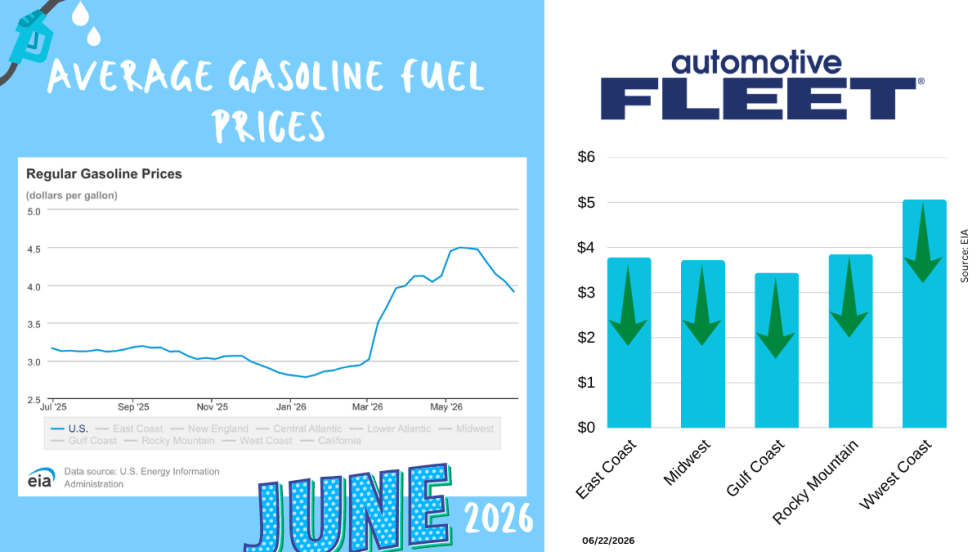
June Fuel Update: Prices Fall Below $4
Drivers are finally getting some relief at the pump. The national average gas price has dropped below $4 a gallon for the first time in months, with prices falling in 47 states as oil markets react to developments in U.S.-Iran negotiations.
Read More →
Study: How 2026's Gas Price Hikes Affect Different Vehicle Types
New data from iSeeCars reveals how rising fuel costs have affected different vehicle segments as gasoline prices climbed nearly 46% over the past four months.
Read More →
Are You Tracking Your Fleet's True Total Cost of Ownership?
Bobit Business Media surveyed 190 fleet professionals and found that while most fleets are tracking costs, fragmented systems and data gaps are keeping true TCO visibility out of reach. With rising pressure to control spend in an increasingly volatile environment, the gap between what fleets think they know and what the data actually shows is wider than you might expect. See how your peers are managing costs today and where the industry still has room to improve.
Read More →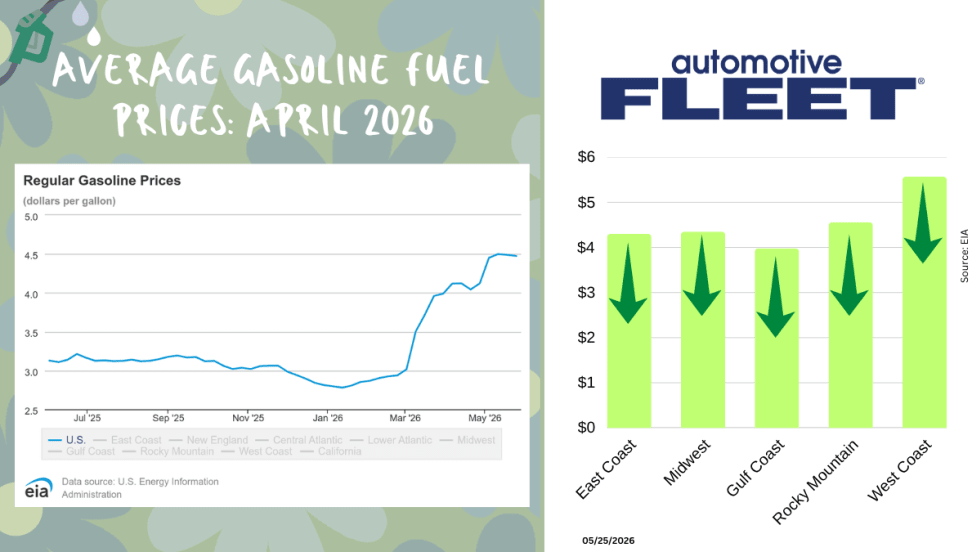
May Fuel Update: All Regions Experience Declines
Gas prices are finally easing in much of the country, but experts warn global tensions could quickly reverse the trend as the national average remains well above last month’s levels.
Read More →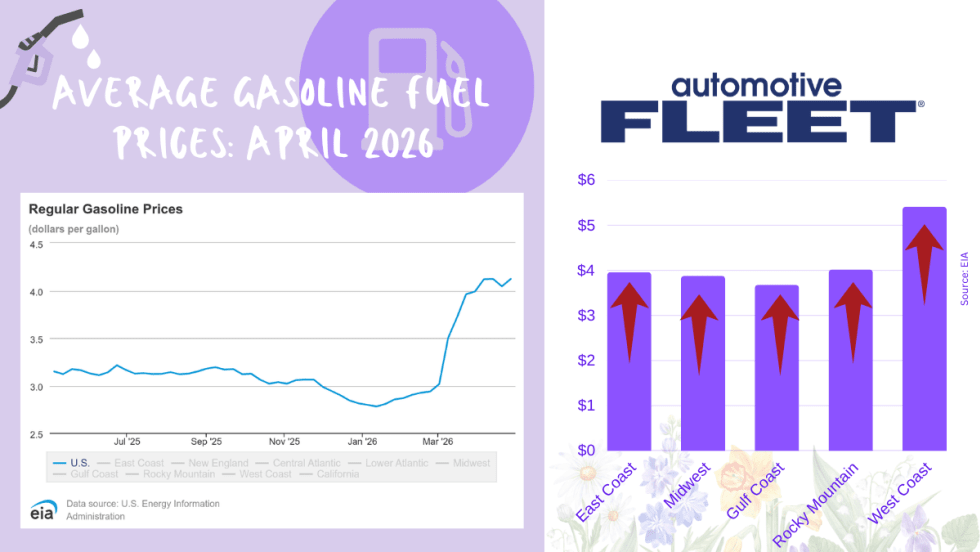
April Fuel Update: Prices Climb Above $4 as Spring Surge Accelerates
National average jumps to $4.04 per gallon, up sharply from last year, with West Coast prices topping $5 and further increases expected amid rising oil tensions.
Read More →
Tips from Fleet Managers on Saving Fuel Costs
Fleet leaders share practical strategies to reduce fuel spend through smarter policy, routing, and driver guidance.
Read More →