




DaimlerChrysler Building Plug-in Hybrid Vehicles
AUBURN HILLS, MI – As part of a test program, DaimlerChrysler will place up to 40 Dodge Sprinter Plug-in Hybrid Electric Vehicles (PHEV) with customers in California, Kansas City, and New York, among other locations within the United States.
AUBURN HILLS, MI – As part of a test program, DaimlerChrysler will place up to 40 Dodge Sprinter Plug-in Hybrid Electric Vehicles (PHEV) with customers in California, Kansas City, and New York, among other locations within the United States. Currently, the manufacturer is investigating the feasibility of plug-in hybrid technology in real-world tests. According to DaimlerChrysler, plug-in technology works best in commercial applications in which the vehicle returns to base after each shift to be plugged into a power grid. However, the technology also works well in urban traffic situations for daily commuters. Based on Mercedes-Benz commercial vehicle technology, the Dodge Sprinter PHEV has the ability to drive up to 20 miles on electric-only power. It accomplishes this with a switch on the dashboard giving the operator the ability to manually switch between modes as needed or automatically by the vehicle control system. Two different combustion engines are being mated to the PHEV system, a five-cylinder diesel and a V-6 gasoline. The diesel version will yield the highest fuel economy benefit and is the first fleet test of a diesel plug-in hybrid system. Plug-in hybrid technology is part of DaimlerChrysler’s advanced propulsion technology umbrella, which also includes exceptionally efficient gasoline engines, advanced diesel technology, ethanol flex-fuel, and zero-emission fuel-cell vehicles.
More Fuel

October Fuel Trends Show Diverging Gasoline and Diesel Prices
Get the latest fuel trends from October.
Read More →
Fuel Prices Surge in September | September Fuel Update
September brought major fuel price swings, including diesel crossing $6 a gallon. Here’s how gas and diesel prices changed throughout the month, and where they stood heading into October.
Read More →
Turning Fleet Payment Data into Executive Insights
Ramel Lindsay of U.S. Bank Voyager discusses how fleets can transform payment and transaction data into actionable intelligence to reduce costs, improve oversight, and support executive decision-making.
Read More →
Why the IRS Raised Its Mileage Rate in the Middle of 2026
Fuel-price volatility drove the rare increase to 76 cents per mile, the fifth midyear adjustment since 2000.
Read More →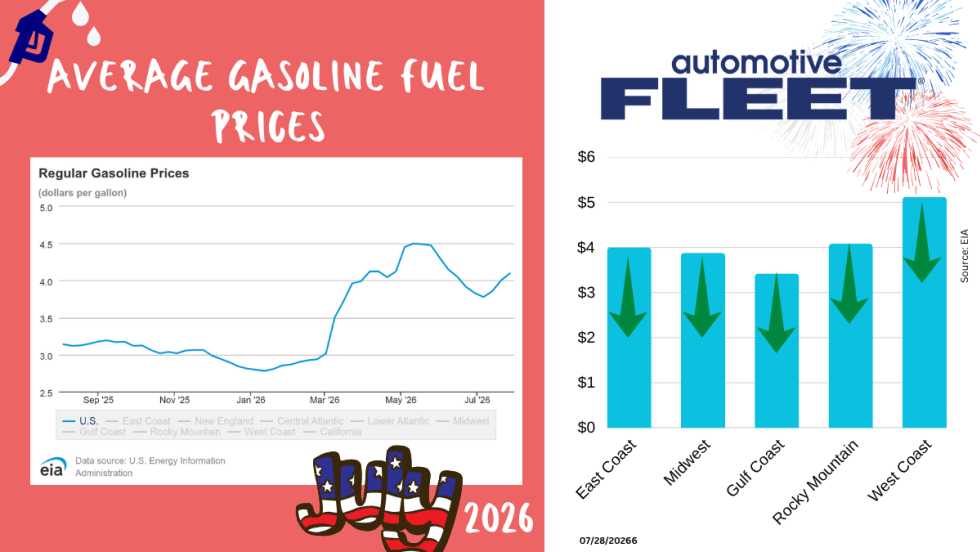
July Fuel Update: Prices Keep Rising in Light of More Conflict
Gas prices continue to rise as more and more conflicts do, too.
Read More →
Bob Adamsky on Fuel Volatility: "Don't Panic, Have a Plan."
When it comes to up and down fuel prices, Adamsky has a message for fleets: “Don’t panic.”
Read More →
How Fleets Can Gain Control of Non-Fuel Spend
Fuel often gets the spotlight, but non-fuel expenses can have a major impact on fleet costs. Ramel Lindsay of U.S. Bank Voyager discusses how fleets can gain better visibility and control over these often-overlooked expenditures.
Read More →
Fuel is Just the Start: How Middle East Tensions are Driving Up Fleet Maintenance Costs
The Middle East conflict is doing more than pushing up fuel prices. It’s also raising the cost of key maintenance products your fleet depends on, from motor oil to tires to windshield wipers. Here’s what you need to know about this budget-busting situation.
Read More →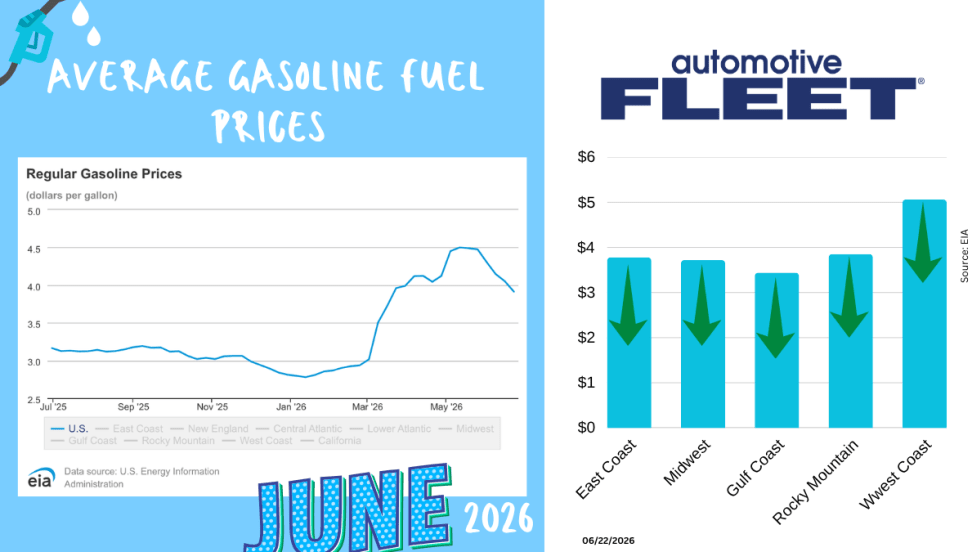
June Fuel Update: Prices Fall Below $4
Drivers are finally getting some relief at the pump. The national average gas price has dropped below $4 a gallon for the first time in months, with prices falling in 47 states as oil markets react to developments in U.S.-Iran negotiations.
Read More →
Study: How 2026's Gas Price Hikes Affect Different Vehicle Types
New data from iSeeCars reveals how rising fuel costs have affected different vehicle segments as gasoline prices climbed nearly 46% over the past four months.
Read More →