




Caterpillar Inc. and the commercial vehicle division of DaimlerChrysler AG have agreed to form a 50/50 global alliance to develop, manufacture, market and distribute medium-duty engines, fuel systems and other powertrain components to serve the needs of third-party customers and for use in their own products. The agreement provides the framework for a number of joint ventures, supply agreements and cooperative projects, subject to the consent of U.S. and European regulators. According to the framework agreement, upon regulatory approval, the Alliance will create: -- A medium-duty engine joint venture that will develop, manufacture and market current and future medium-duty engines and parts for sale to third-party customers and to DaimlerChrysler and Caterpillar for use in their own products. The sales volume of this joint venture is expected to grow significantly by mid-decade from a level of about $2 billion for the combined parent companies in 2000. -- A fuel systems joint venture that will develop, manufacture and market current and advanced technology fuel systems to third-party customers and for use by the parent companies. The sales volume of this joint venture is expected nearly to triple by mid-decade from a level of about US$600 million for the combined parent companies in 2000. -- Research and engineering cooperation in such key areas as combustion technology, electronics, air-handling systems, exhaust aftertreatment and materials technology. The goal of the two companies is to enable their engines to meet increasingly demanding customer and regulatory requirements for noise and emissions control. These engines will be sold to third parties and incorporated into Caterpillar's and DaimlerChrysler's own products. -- Combined purchasing volumes that will focus on delivering the procurement cost synergies created by the various elements of the alliance. -- The medium-duty engine joint venture will include Caterpillar's U.S. facilities in Greenville, SC, and its operations in Peterborough, UK. DaimlerChrysler will contribute its Sao Paulo, Brazil, medium-duty engine facility. DaimlerChrysler's Mannheim, Germany, facility, both parents' engine remanufacturing facilities, and certain operations in Caterpillar's Mossville, IL, facility and in its Gosselies, Belgium, facilities, will contribute as contract manufacturers to the joint venture. Both companies' medium-duty engineering/development resources and related intellectual property also will become part of the venture. -- The fuel systems joint venture will include Caterpillar's U.S. facilities in Pontiac, IL, and in Jefferson and Thomasville, GA, as well as its remanufacturing facility in Nuevo Laredo, Mexico. DaimlerChrysler's Glatten, Wolfratshausen, and Rellingen facilities in Germany, and its U.S. remanufacturing facility in Grand Rapids, MI, will participate in the venture. In addition, the two partners reached agreement for Caterpillar to continue to supply heavy-duty 10-16 liter engines for use in Freightliner companies' trucks. Both DaimlerChrysler and Caterpillar emphasized that they also will remain independent global suppliers of heavy-duty diesel engines, which are excluded from the alliance. Caterpillar is a manufacturer of construction and mining equipment, diesel and natural gas engines and industrial gas turbines. Headquartered in Peoria, IL, the company posted 1999 sales and revenues of $19.7 billion. DaimlerChrysler AG carries vehicle brands Mercedes-Benz, Freightliner, Sterling, Western Star, Setra, Thomas Built Buses, DDC and MTU. In 1999 the commercial vehicle division of DaimlerChrysler achieved revenues of $26.9 billion and sold 555,000 trucks, vans and buses.
DaimlerChrysler and Caterpillar to Form Global Alliance
More Operations
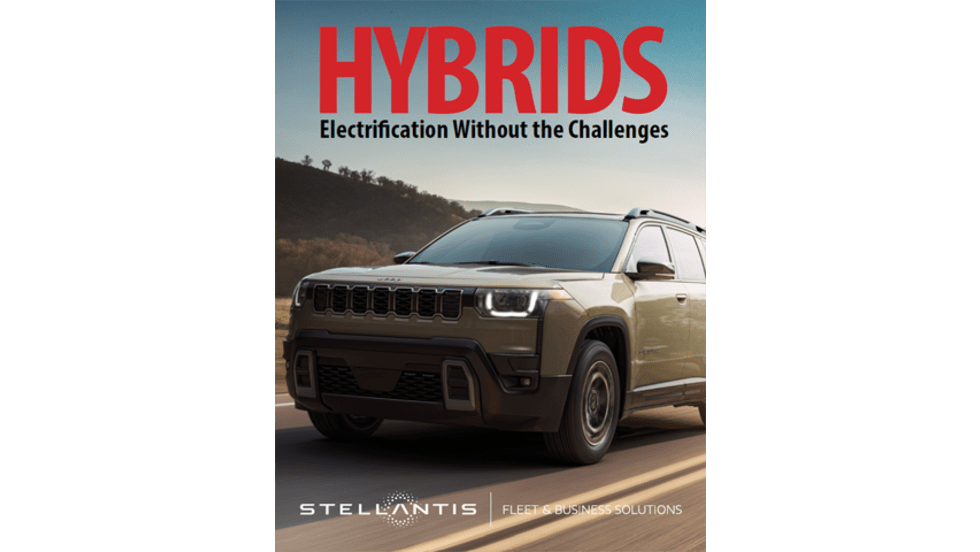
Hybrids: Electrification Without the Challenges
For fleet managers, fuel is one of the biggest line items in the budget — and it's one hybrids can shrink without changing how your people work. Download the eBook to see the numbers, understand the technology, and get a step-by-step guide to making the switch.
Read More →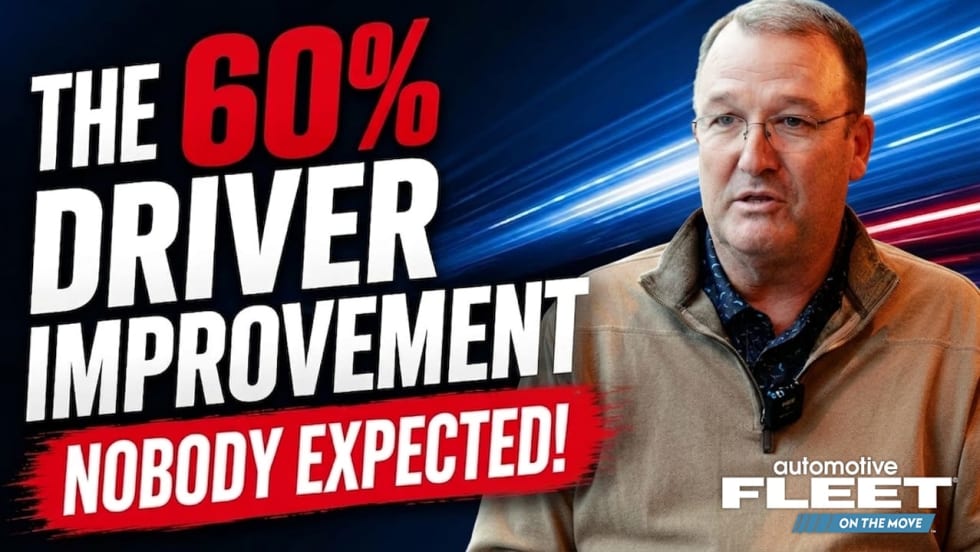
How NOV Uses Telematics to Improve Fleet Safety Across 160 Locations
James Victory of NOV discusses how the company manages fleet safety, maintenance, and telematics across more than 150 locations supporting oilfield operations throughout the U.S.
Read More →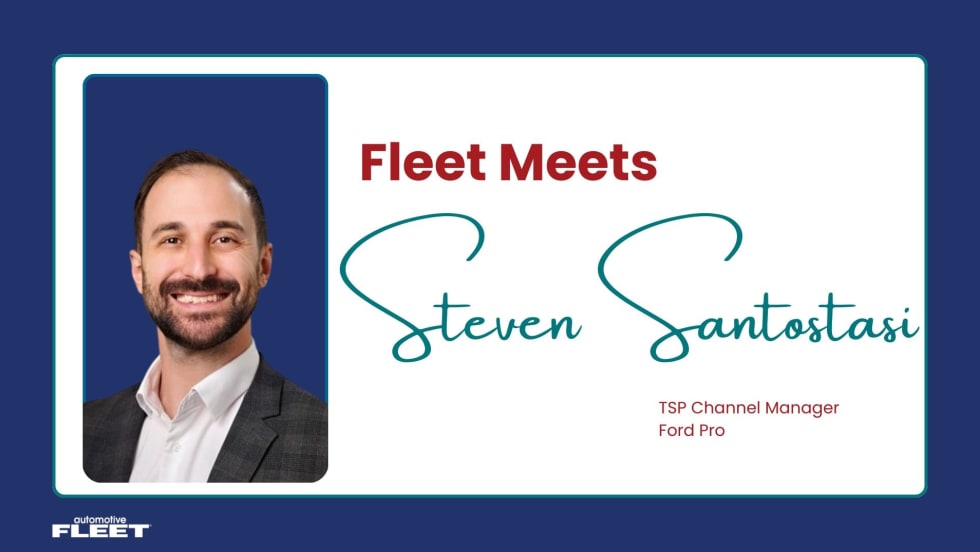
Fleet Meets: Steven Santostasi
This edition of the Fleet Meets series features Steven Santostasi, the current TSP channel manager for Ford Pro.
Read More →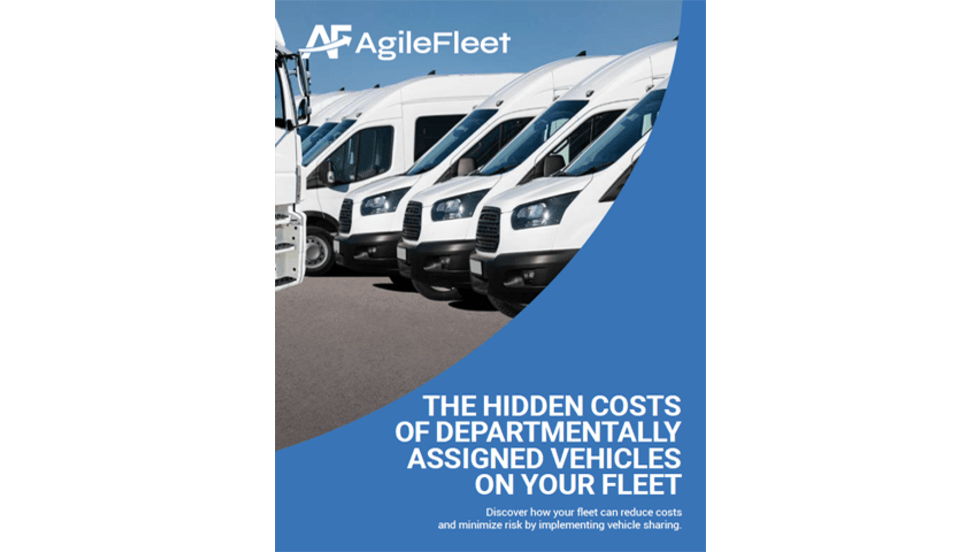
Why Fleet Managers Are Replacing Departmental Vehicles with Shared Motor Pools
Departmentally assigned vehicles often create hidden costs through underutilization, poor visibility, and increased administrative burden. This white paper explores how shared motor pool strategies help fleets reduce costs, improve accountability, and optimize vehicle utilization.
Read More →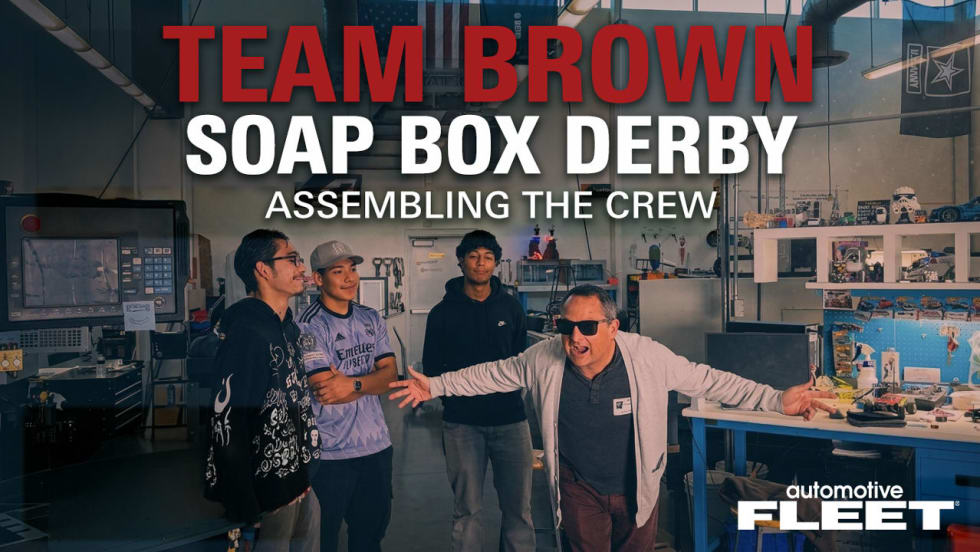
Soap Box Derby Challenge: Assembling the Crew
Meet Gabriel, Matthew, and Angel — the team helping bring this soap box derby build to life.
Read More →
BBL Fleet Acquires Velcor Leasing Corporation
BBL Fleet expanded its footprint in the fleet management industry with the acquisition of Velcor Leasing Corporation of Madison through a stock purchase agreement finalized Feb. 27, 2026.
Read More →
Lytx Introduces New AI Fleet Technologies at Protect 2026
The company introduced new AI-driven fleet safety and operations technologies during its annual user conference.
Read More →
Fleet Costs Are Rising: Here’s How Leaders Are Responding
Fleet leaders are under pressure to reduce costs, adapt to economic uncertainty, and make smarter decisions. See how peers across North America are responding with real data, proven strategies, and forward-looking insights. Download the 2026 Market Pulse Report to benchmark your strategy and uncover where you can gain an edge.
Read More →
From Waffle House to AI: Fleet Trends You Need to Know
In this AF news recap, host Faith Howell covers how Waffle House stepped up during disaster response and new AI tech on the market.
Read More →
Fleet Operations in the Age of AI: Navigating Ethical and Legal Challenges
AI is no longer a future concept for fleets—it’s already embedded in the tools, data, and decisions that operators rely on every day. In this episode of the Fleet Forward Podcast, recorded live at Fleet Forward, industry leaders take the conversation beyond hype to examine what responsible AI adoption really looks like in fleet operations.
Read More →