




WASHINGTON, D.C. — DaimlerChrysler demonstrated pioneering technologies for passenger cars and commercial vehicles at the DaimlerChrysler Innovation Symposium 2005. “For DaimlerChrysler, innovation is a key factor for profitable growth,” said Prof. Jurgen E. Schrempp, chairman of the board of Management of DaimlerChrysler AG. In 2004, the company invested approximately 5.7 billion Euro in research and development. The world premiere of a concept vehicle, the Mercedes-Benz bionic car, kicked off the June event. This vehicle features the potential of bionics for automobile development. Using bionics, DaimlerChrysler engineers have achieved new benchmarks for aerodynamics, stability, and lightweight construction. The fully roadworthy vehicle has a modern common rail diesel (CRD) engine in which the SCR technology (selective catalytic reduction) is being tested for the first time in a passenger car to fulfill even more demanding emission and fuel economy targets. Chrysler Group executives and engineers are highlighting a range of technologies designed to meet customer needs today and into the future. “We are most proud of the fact that our recent improvements in sales, market share, and profits have been driven by innovative new products,” said Dr. Dieter Zetsche, member of the DaimlerChrysler Board of Management with responsibility for the Chrysler Group. A core component assisting in the success of several new vehicles is the award-winning 5.7L HEMI V-8 engine. DaimlerChrysler has the world’s largest fleet of 100 fuel cell vehicles, which meet zero-emissions requirements, in operation around the world. Making its U.S. debut at the symposium was the second-generation Mercedes-Benz fuel cell bus. The transit bus has an output of more than 200 kilo-watts and a range of about 125 miles. One fuel economy option available today is advanced diesel engine technology. Diesel engines achieve approximately 30 percent better fuel economy and 20 percent lower carbon dioxide emissions than comparable gasoline engines. Chrysler Group recently introduced the first diesel-powered mid-sized, sport/utility vehicle in the United States, the Jeep Liberty CRD. Mercedes-Benz launched a brand new V-6 diesel engine in March. Last month, a world record was set in Laredo, Texas, with this engine. Three standard Mercedes-Benz E 320 CDI sedans drove 100,000 miles in record time without any disturbances. This provided proof of the performance and reliability of the cars and their standard-equipment diesel particulate filters. DaimlerChrysler engineers also featured a driving demonstration of broadband car-to-car communication between a Mercedes-Benz E-Class and a Dodge Durango. With this initiative, DaimlerChrysler is the first automaker to publicly test this new wireless communications technology. With vehicle-to-vehicle communication, features for accident prevention can be applied such as warnings when changing lanes or turning off a road. Corporate research focuses on three main areas: new powertrain and fuel concepts in the context of the “Energy for the Future” program, electronic systems to enhance traffic safety within the “Vision of Accident Free Driving,” and future-oriented vehicle concepts with the program “Vision for Tomorrow’s Cars.” One of the main goals of DaimlerChrysler’s research engineers is to fully utilize conventional combustion engines’ potential for lower fuel consumption. Alternative and renewable energy sources, the further development of fuel cell technology, and hybrid technology are focal points of the company’s research and development.
DaimlerChrysler AG: U.S. Innovation Symposium Showcases the Prospects for Future Mobility
WASHINGTON, D.C. — DaimlerChrysler demonstrated pioneering technologies for passenger cars and commercial vehicles at the DaimlerChrysler Innovation Symposium 2005.
More Operations
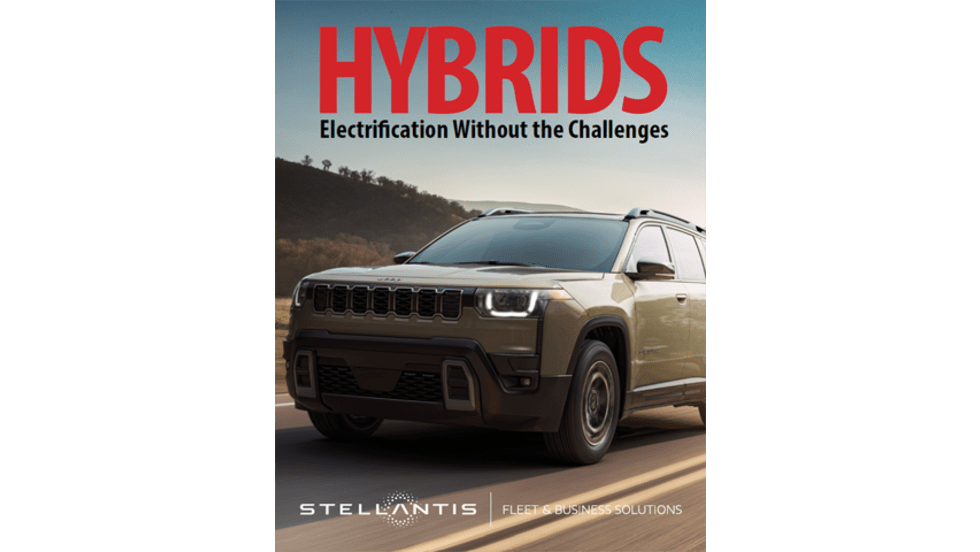
Hybrids: Electrification Without the Challenges
For fleet managers, fuel is one of the biggest line items in the budget — and it's one hybrids can shrink without changing how your people work. Download the eBook to see the numbers, understand the technology, and get a step-by-step guide to making the switch.
Read More →
How NOV Uses Telematics to Improve Fleet Safety Across 160 Locations
James Victory of NOV discusses how the company manages fleet safety, maintenance, and telematics across more than 150 locations supporting oilfield operations throughout the U.S.
Read More →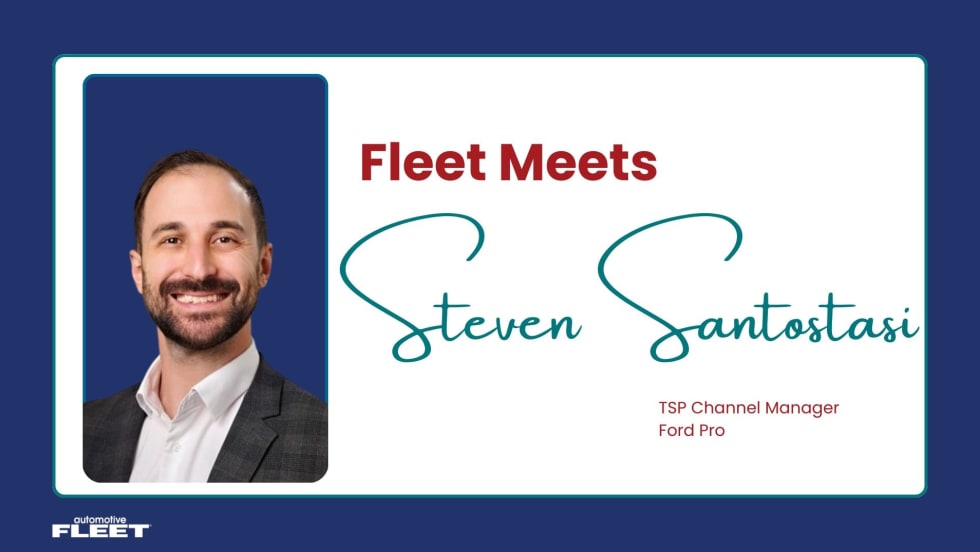
Fleet Meets: Steven Santostasi
This edition of the Fleet Meets series features Steven Santostasi, the current TSP channel manager for Ford Pro.
Read More →
Why Fleet Managers Are Replacing Departmental Vehicles with Shared Motor Pools
Departmentally assigned vehicles often create hidden costs through underutilization, poor visibility, and increased administrative burden. This white paper explores how shared motor pool strategies help fleets reduce costs, improve accountability, and optimize vehicle utilization.
Read More →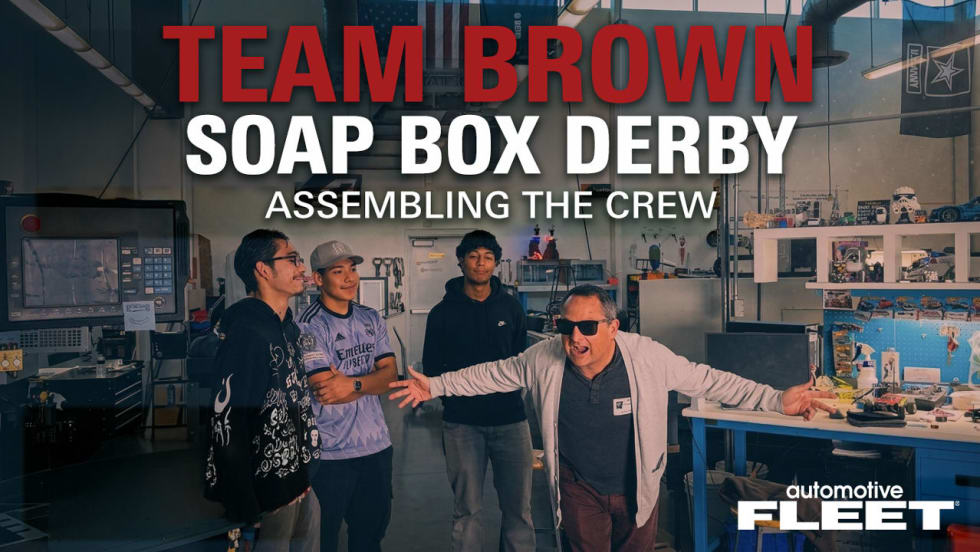
Soap Box Derby Challenge: Assembling the Crew
Meet Gabriel, Matthew, and Angel — the team helping bring this soap box derby build to life.
Read More →
BBL Fleet Acquires Velcor Leasing Corporation
BBL Fleet expanded its footprint in the fleet management industry with the acquisition of Velcor Leasing Corporation of Madison through a stock purchase agreement finalized Feb. 27, 2026.
Read More →
Lytx Introduces New AI Fleet Technologies at Protect 2026
The company introduced new AI-driven fleet safety and operations technologies during its annual user conference.
Read More →
Fleet Costs Are Rising: Here’s How Leaders Are Responding
Fleet leaders are under pressure to reduce costs, adapt to economic uncertainty, and make smarter decisions. See how peers across North America are responding with real data, proven strategies, and forward-looking insights. Download the 2026 Market Pulse Report to benchmark your strategy and uncover where you can gain an edge.
Read More →
From Waffle House to AI: Fleet Trends You Need to Know
In this AF news recap, host Faith Howell covers how Waffle House stepped up during disaster response and new AI tech on the market.
Read More →
Fleet Operations in the Age of AI: Navigating Ethical and Legal Challenges
AI is no longer a future concept for fleets—it’s already embedded in the tools, data, and decisions that operators rely on every day. In this episode of the Fleet Forward Podcast, recorded live at Fleet Forward, industry leaders take the conversation beyond hype to examine what responsible AI adoption really looks like in fleet operations.
Read More →