




DaimlerChrysler AG: U.S. Innovation Symposium Showcases the Prospects for Future Mobility
WASHINGTON, D.C. — DaimlerChrysler demonstrated pioneering technologies for passenger cars and commercial vehicles at the DaimlerChrysler Innovation Symposium 2005.
WASHINGTON, D.C. — DaimlerChrysler demonstrated pioneering technologies for passenger cars and commercial vehicles at the DaimlerChrysler Innovation Symposium 2005. “For DaimlerChrysler, innovation is a key factor for profitable growth,” said Prof. Jurgen E. Schrempp, chairman of the board of Management of DaimlerChrysler AG. In 2004, the company invested approximately 5.7 billion Euro in research and development. The world premiere of a concept vehicle, the Mercedes-Benz bionic car, kicked off the June event. This vehicle features the potential of bionics for automobile development. Using bionics, DaimlerChrysler engineers have achieved new benchmarks for aerodynamics, stability, and lightweight construction. The fully roadworthy vehicle has a modern common rail diesel (CRD) engine in which the SCR technology (selective catalytic reduction) is being tested for the first time in a passenger car to fulfill even more demanding emission and fuel economy targets. Chrysler Group executives and engineers are highlighting a range of technologies designed to meet customer needs today and into the future. “We are most proud of the fact that our recent improvements in sales, market share, and profits have been driven by innovative new products,” said Dr. Dieter Zetsche, member of the DaimlerChrysler Board of Management with responsibility for the Chrysler Group. A core component assisting in the success of several new vehicles is the award-winning 5.7L HEMI V-8 engine. DaimlerChrysler has the world’s largest fleet of 100 fuel cell vehicles, which meet zero-emissions requirements, in operation around the world. Making its U.S. debut at the symposium was the second-generation Mercedes-Benz fuel cell bus. The transit bus has an output of more than 200 kilo-watts and a range of about 125 miles. One fuel economy option available today is advanced diesel engine technology. Diesel engines achieve approximately 30 percent better fuel economy and 20 percent lower carbon dioxide emissions than comparable gasoline engines. Chrysler Group recently introduced the first diesel-powered mid-sized, sport/utility vehicle in the United States, the Jeep Liberty CRD. Mercedes-Benz launched a brand new V-6 diesel engine in March. Last month, a world record was set in Laredo, Texas, with this engine. Three standard Mercedes-Benz E 320 CDI sedans drove 100,000 miles in record time without any disturbances. This provided proof of the performance and reliability of the cars and their standard-equipment diesel particulate filters. DaimlerChrysler engineers also featured a driving demonstration of broadband car-to-car communication between a Mercedes-Benz E-Class and a Dodge Durango. With this initiative, DaimlerChrysler is the first automaker to publicly test this new wireless communications technology. With vehicle-to-vehicle communication, features for accident prevention can be applied such as warnings when changing lanes or turning off a road. Corporate research focuses on three main areas: new powertrain and fuel concepts in the context of the “Energy for the Future” program, electronic systems to enhance traffic safety within the “Vision of Accident Free Driving,” and future-oriented vehicle concepts with the program “Vision for Tomorrow’s Cars.” One of the main goals of DaimlerChrysler’s research engineers is to fully utilize conventional combustion engines’ potential for lower fuel consumption. Alternative and renewable energy sources, the further development of fuel cell technology, and hybrid technology are focal points of the company’s research and development.
More Operations

How Fleets Can Recruit and Train Veterans for Technician Roles
Here's how the technician shortage has affected uptime for fleets, and what to do about it.
Read More →
Avis Budget Group Deploys Neology Toll Management Technology Across Major Brands
Neology’s neoFleet platform will manage toll transactions and toll-authority operations for vehicles across Avis, Budget, Payless, Budget Truck and Zipcar.
Read More →
Fleet Personal-Use Charges Edge Higher in 2026
Nearly eight in 10 surveyed fleets allow personal use of company vehicles, while just over half of respondents report charging employees for the privilege.
Read More →
The Future of Fleet + What’s Changing Right Now | AF News Recap
Could developments overseas offer a preview of what’s coming for U.S. fleets? This week, we’re looking at the future of AI, autonomy, and electrification, plus Ford Pro’s new certified pre-owned program, smarter vehicle offboarding, and a new way for fleets to manage toll expenses.
Read More →
How to Handle Vehicle Offboarding
What do fleet managers need to do when a driver leaves?
Read More →
Fleet Manager’s Ultimate Playbook: Navigating the New Standard in OEM Connectivity
Rising operating costs, driver safety concerns, and unplanned downtime are putting unprecedented pressure on modern fleets. Discover how fleet managers use embedded OEM connectivity and real-time vehicle data to cut TCO, prevent downtime, and protect drivers without aftermarket telematics hardware.
Read More →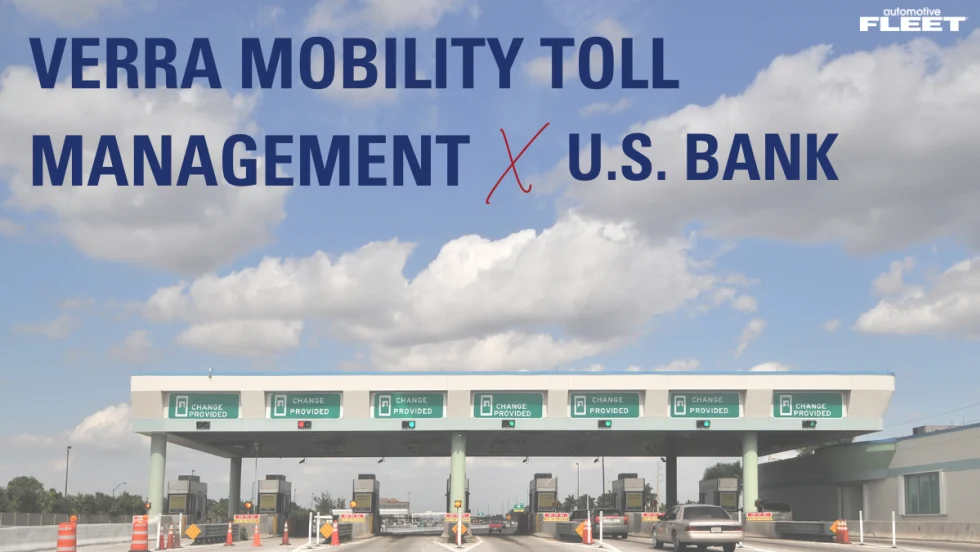
U.S. Bank Adds Verra Mobility Toll Management to Voyager Fleet Platform
The integration allows U.S. Bank Voyager fleet customers to manage toll payments and violations alongside fuel, EV charging and maintenance expenses.
Read More →
ADAS Prevents Crashes. But Repairs Cost More | AF News Recap
ADAS-equipped vehicles may crash less often, but they can cost more when they do. This week, we’re breaking down what that tradeoff means for fleets, plus Subaru’s first Forester Wilderness Hybrid, Nissan’s new e-POWER Rogue, and why Calstart has become Catalyst Mobility.
Read More →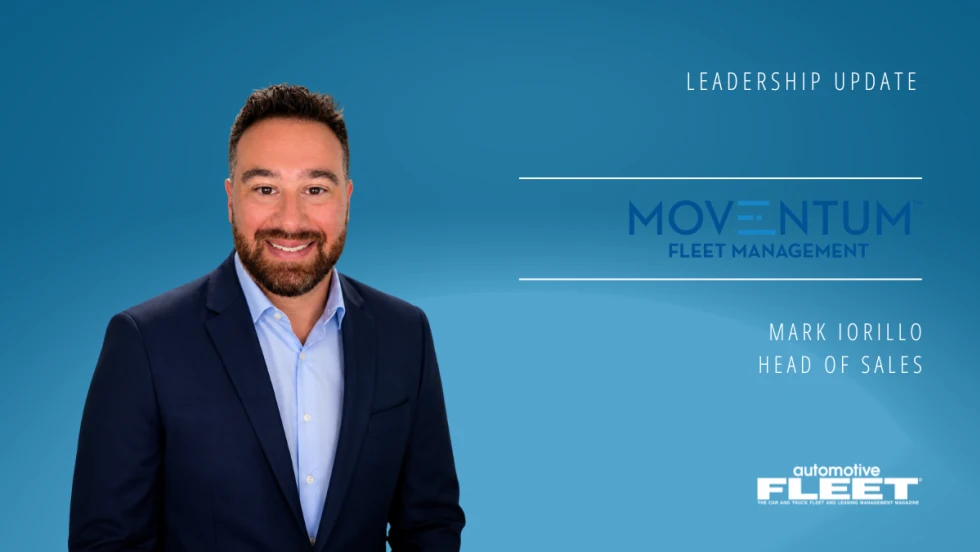
Moventum Fleet Management Names Mark Iorillo Head of Sales
Iorillo brings nearly 20 years of fleet management and sales experience to the role, including previous positions at Element Fleet Management, CEI, Donlen and Ryder.
Read More →
Fleet Has a Talent Pipeline Problem. What Comes Next? | AF News Recap
Where will fleet’s next generation of leaders come from? This week, we’re looking at the industry’s talent pipeline, what certification can add to a fleet career, how to build an award-worthy track record, and the return of Automotive Fleet’s Personal Use Survey.
Read More →