





Related: What Owner-Operators and Small Fleets Need to Know about ELDs
CVSA to Take Phased-In Approach to ELD Mandate
The nation’s commercial vehicle enforcement officials say there’s no reason to delay the December start date for the electronic logging device mandate – but they will delay implementing out-of-service criteria related to ELDs until April 1, 2018.
August 28, 2017
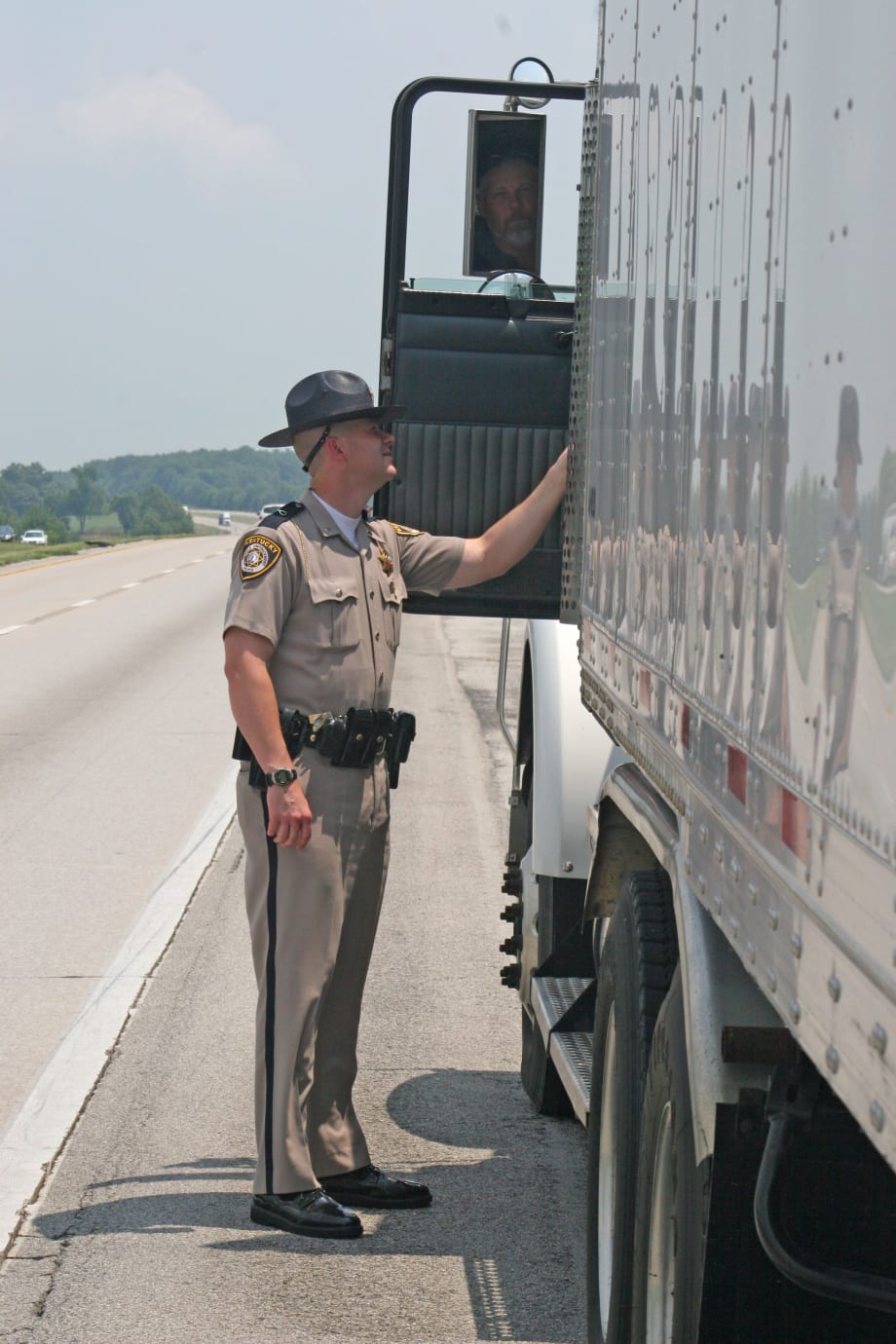
Are enforcement personnel ready for Dec. 18 ELD deadline? Photo: Kentucky State Police
3 min to read
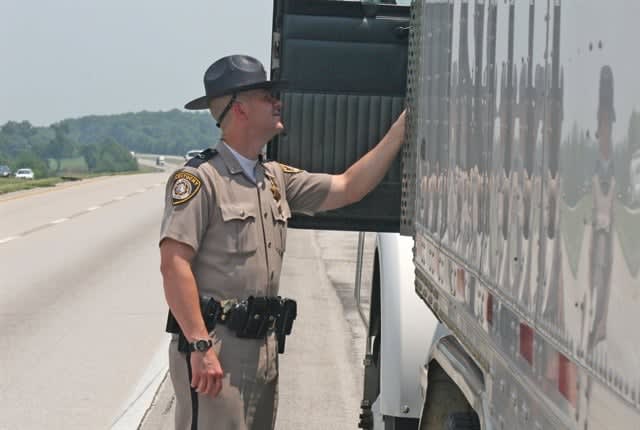
Are enforcement personnel ready for Dec. 18 ELD deadline? Photo: Kentucky State Police
The nation’s commercial vehicle enforcement officials say there’s no reason to delay the December start date for the electronic logging device mandate – but they will delay implementing out-of-service criteria related to ELDs until April 1, 2018, and say each jurisdiction will have discretion as to whether they actually issue citations in the beginning.
On Dec. 18, inspectors and roadside enforcement personnel will begin documenting violations on roadside inspection reports, according to an Aug. 28 announcement from the according to the Commercial Vehicle Safety Alliance. At the jurisdiction's discretion, inspectors will issue citations to commercial motor vehicle drivers operating vehicles without a compliant ELD.
Beginning April 1, 2018, inspectors will start placing commercial motor vehicle drivers out of service if their vehicle is not equipped with the required device.
Delaying the out-of-service aspects of the rule will “provide the motor carrier industry, shippers and the roadside enforcement community with time to adjust to the new requirement before vehicles are placed out of service for ELD violations,” CVSA said.
CVSA noted that member jurisdictions have used this phased-in approach in the past when implementing a significant change in regulatory requirements.
Opponents of the ELD rule, most notably the Owner-Operator Independent Drivers Association, have been lobbying Congress to try to get a delay in the rule’s implementation, at least for smaller carriers.
“Motor carriers have had two full years to prepare for the requirement and obtain devices for their vehicles,” wrote CVSA Executive Director Collin B. Mooney in a letter to FMCSA. “FMCSA’s own research has found that the use of ELDs results in a reduction in a motor carrier’s crash rate and hours-of-service violations. It is time to move forward with this regulation.”
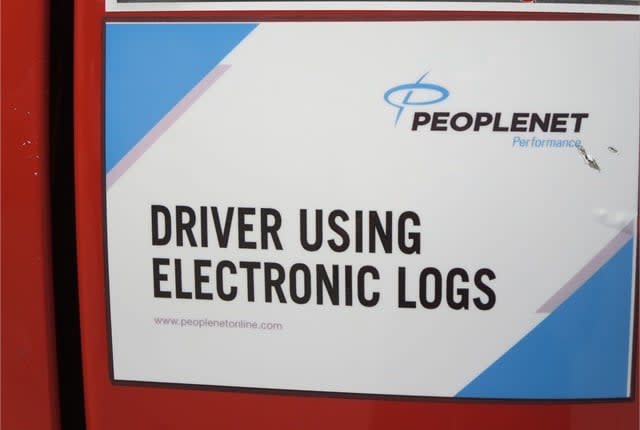
Fleets can keep using their existing AOBRDs for two years.Photo: Deborah Lockridge
One of the arguments for delay has been that enforcement officials are not ready. And at CVSA’s recent North American Inspectors Championship, one ELD provider said there were quite a few questions from inspectors. Eroad company representatives onsite said the event was the first time for many of the enforcement officials to learn about the similarities and differences between ELDs and some AOBRD devices, and that many enforcement officials were not confident that the FMCSA will deliver ERODS (the computer program that inspectors are supposed to use to interpret the data from the ELDs) in a timely manner and with proper guidance and training.
However, Mooney told FMCSA in his letter, “I also want to assure you that, despite what opponents of the mandate may argue, the enforcement community is ready to begin enforcement of the requirement on Dec. 18, 2017.”
The CVSA announcement also included a reminder that motor carriers may continue to use a grandfathered automatic onboard recording device (AOBRD) up until Dec. 16, 2019. The AOBRD must meet the requirements of 49 C.F.R. 395.15.
This announcement does not impact enforcement of the OOSC for other hours-of-service violations.
For more information about the ELD rule, visit FMCSA's ELD implementation website.
More Operations

Personal-Use Charges Rise as Vehicle Values Fall | AF News Recap
Personal-use charges are climbing, wholesale used-vehicle values are declining, and commercial fleet sales growth is slowing. This week, we're breaking down the latest fleet data, plus how Element Fleet Management is helping Waymo prepare for its first Canadian robotaxi market.
Read More →
Here's When You Should Make an Exception to Fleet Policy
Fleet policies are designed to create consistency, but not every driver or situation fits neatly within standard rules.
Read More →
AI-Native or AI-Acquired: What Should Fleet Managers Look for in an AI Platform?
Six questions can help fleet managers look beyond AI marketing claims to evaluate integration, data access, and real-world operational performance.
Read More →
Sponsored•October 14, 2026
A buyer's guide to fleet management software in 2027
Buying fleet management software in 2027 means looking beyond features and price. As fleet operations, technology and expectations evolve, this guide explores what today’s fleet professionals should consider when choosing a system that can deliver value now and adapt to what comes next.
Read More →
What Will Shape the Next Era of Fleet Management?
EVs, AI, and autonomous vehicles are reshaping fleet management. Discover what’s ahead—and how fleet leaders can prepare for the next era.
Read More →
How Fleets Can Recruit and Train Veterans for Technician Roles
Here's how the technician shortage has affected uptime for fleets, and what to do about it.
Read More →
Avis Budget Group Deploys Neology Toll Management Technology Across Major Brands
Neology’s neoFleet platform will manage toll transactions and toll-authority operations for vehicles across Avis, Budget, Payless, Budget Truck and Zipcar.
Read More →
Fleet Personal-Use Charges Edge Higher in 2026
Nearly eight in 10 surveyed fleets allow personal use of company vehicles, while just over half of respondents report charging employees for the privilege.
Read More →
The Future of Fleet + What’s Changing Right Now | AF News Recap
Could developments overseas offer a preview of what’s coming for U.S. fleets? This week, we’re looking at the future of AI, autonomy, and electrification, plus Ford Pro’s new certified pre-owned program, smarter vehicle offboarding, and a new way for fleets to manage toll expenses.
Read More →
How to Handle Vehicle Offboarding
What do fleet managers need to do when a driver leaves?
Read More →