





Related: Cruise Tests Fully Autonomous Vehicles in San Francisco
Cruise Gets First Permit for Autonomous Trips with Passengers
Under the California Public Utilities Commission’s rules, Cruise must still employ a human operator to take control if needed.
June 8, 2021
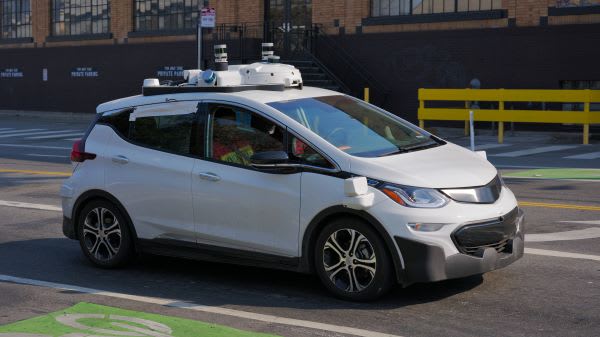
Cruise has been testing Chevrolet Bolts in San Francisco since 2017.
Photo via Wikimedia Commons/dllu.
2 min to read
On June 4, the California Public Utilities Commission (CPUC) granted autonomous car developer Cruise the ability to operate with passengers on public roads. While many driverless car startups operate on public roads in California now, GM-backed Cruise is the first to be able to carry passengers.
“The development of autonomous driving for private and fleet vehicles is expected to grow in the coming years as AV companies strive to provide safe, efficient transportation,” the CPUC said in a statement.
Cruise, which started testing in San Francisco in December at Level 4 autonomy, must still employ a human operator to take control if needed and the area of operation is limited. It looks like, at least initially, those rides will be free. According to the CPUC, Cruise is not allowed to charge passengers for the ride. Cruise must also submit quarterly reports to the CPUC on vehicle operation and a safety plan for passenger protection.
In 2020 Cruise debuted Origin, a driverless van with no pedals, steering wheel, or manual controls. These rides, however, will initially be delivered in Chevrolet Bolts.
The CPUC administers the state’s Autonomous Vehicle Passenger Service Pilot Programs.
The "Drivered AV Passenger Service" pilot program allows for the provision of passenger service in test AVs with a driver in the vehicle. Under this program, a safety driver is available to assist with operations if needed.
Under the newer "Driverless AV Passenger Service" pilot program allows for the provision of passenger service in test AVs without a driver in the vehicle. Under this pilot program, a communication link between passengers and "remote operators" of the vehicle must be available and maintained at all times during passenger service.
More Fleet Forward

Chad Edmondson Named 2026 Fleet Safety Award Winner
The VSC Fire & Security fleet director oversees more than 1,100 assets nationwide. His approach to improving driver safety emphasizes collaboration, employee engagement, and building trust with the people behind the wheel.
Read More →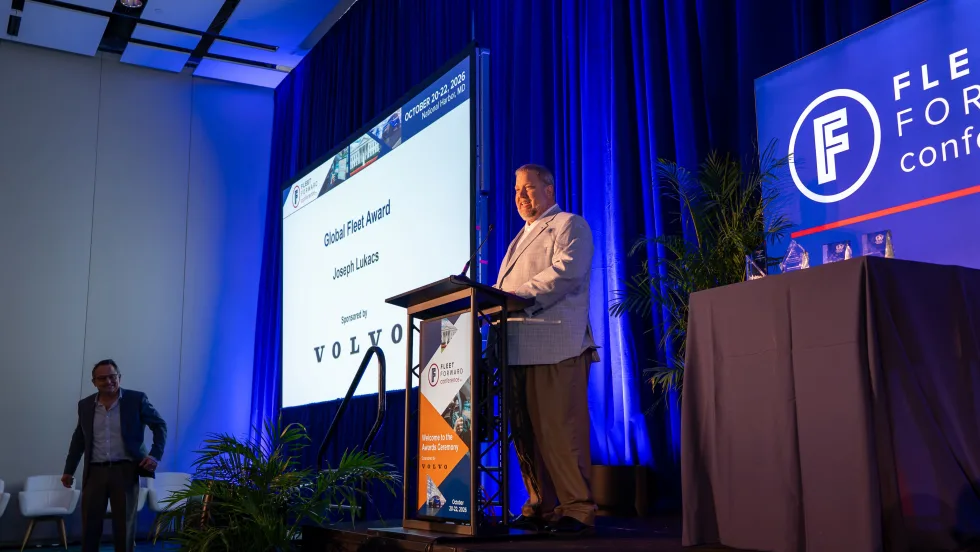
Joseph Lukacs Wins 2026 Global Fleet Manager of the Year
The Sherwin-Williams fleet leader adds another industry honor to his career after being named the 2025 Edward J. Bobit Professional Fleet Manager of the Year.
Read More →
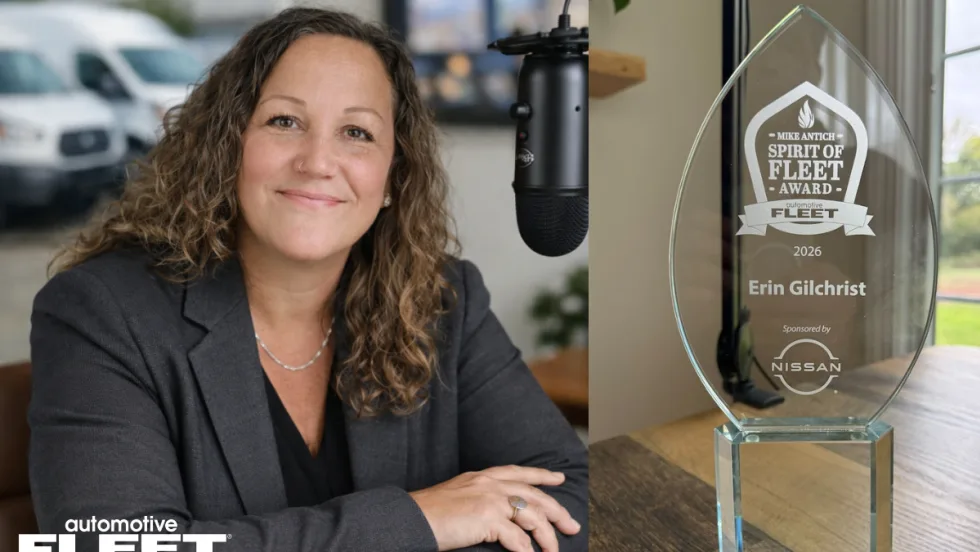
Erin Gilchrist Receives Mike Antich Spirit of Fleet Award
Last week at AFLA in Vegas, Erin Gilchrist received the inaugural, brand-new Spirit of Fleet Award.
Read More →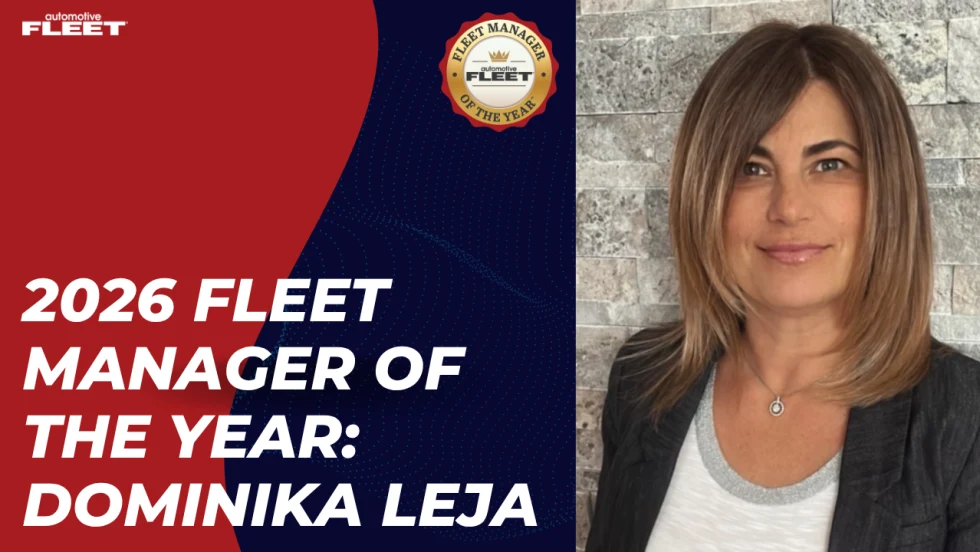
Dominika Leja Named the 2026 Fleet Manager of the Year
The AstraZeneca associate director of fleet was recognized for her leadership in fleet electrification, cost savings, and operational transformation.
Read More →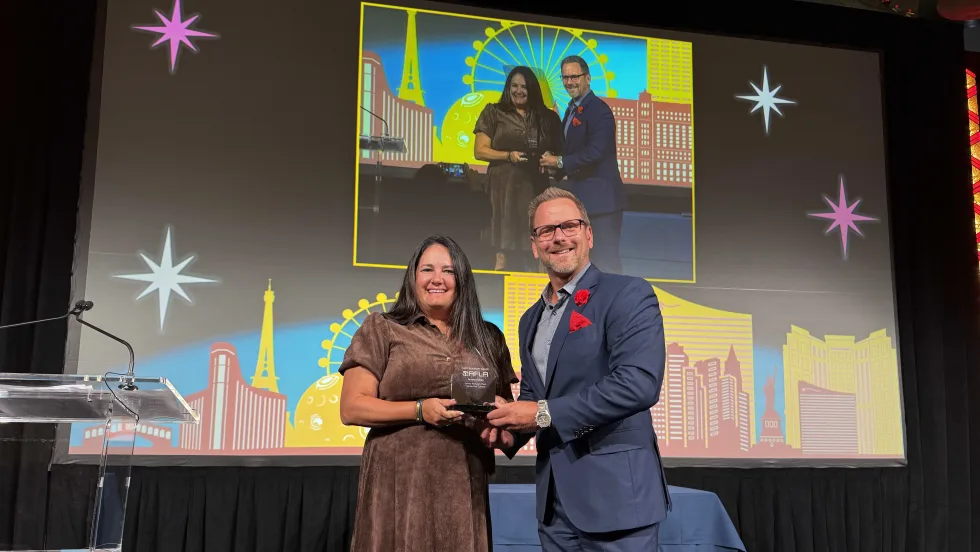
Jamie McKay Named the 2026 Fleet Visionary Award Winner
The Aptive Pest Control fleet manager was recognized for her approach to operations, data, lifecycle management, and driver needs.
Read More →
Fleet Forward Conference Introduces One-Day Passes for 2026
New one-day registration gives fleet professionals the flexibility to attend Tuesday, Wednesday, or Thursday, with passes available for $199 through Sept. 18.
Read More →
Vibe Coding: When Fleet Managers Become Software Builders
Five fleet professionals — none with programming skills — discuss how they’re using AI to build fleet solutions in-house and in a fraction of the time.
Read More →
Fleet Forward Conference Tackles Fleet Industry’s Growing Leadership Gap
This session will examine succession planning, knowledge transfer, and the skills the next generation of fleet leaders will need as veteran professionals leave the industry.
Read More →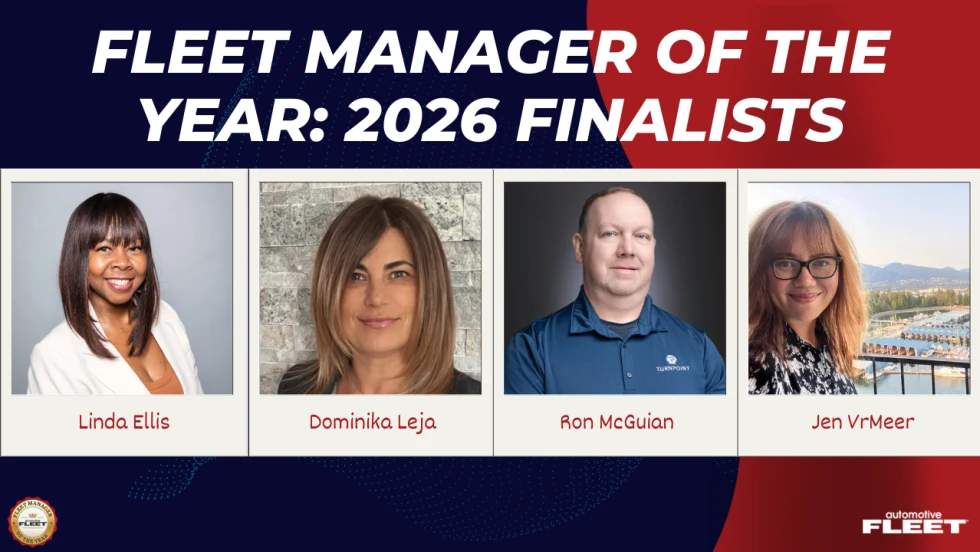
2026 Fleet Manager of the Year Finalists Announced
Who are the 2026 Fleet Manager of the Year finalists?
Read More →