




Court Says Employer Must Pay Unemployment Benefits to Employee Terminated for Suspended License
ST. LOUIS - A Missouri-based company has to pay an ex-employee unemployment benefits because they failed to terminate the employee immediately after discovering the employee had a suspended license.
ST. LOUIS - In Lentz v. Home Security of America, the Missouri Court of Appeals, Eastern District, ruled on Feb. 21 that an employee of Home Security, James Lentz, has all rights to unemployment benefits after he was discharged by the company for having a suspended license. Having a valid license is a requirement for employment with the company.
This decision reversed earlier court rulings that said Lentz “voluntarily” quit the job as a licensed master plumber and therefore had no rights to unemployment benefits. The Court said, however, that because Home Security helped Lentz reinstate his license by finding other work for him in the meantime, helped to pay for the upfront costs of getting his license and didn’t terminate the employee on the day it found out about his suspended license, the employee is entitled to the unemployment claim.
Case Background
Lentz was a full-time employee with Home Security for three-and-a-half years and was terminated on Dec. 3, 2010 for not maintaining a valid license. His license had been suspended in November, and Home Security found out from its insurance company on Nov. 19, 2010. Lentz immediately began the process for license reinstatement.
Home Security told the employee to come in for an assessment and that he would have to complete the Substance Abuse Traffic Offender Program (SATOP) before his license could be valid again. Lentz said he didn’t have the money for the program, so Home Security agreed to pay for the program up front and that it would take the charge from Lentz’s paycheck in increments. The program was first acknowledged by both Lentz and Home Security as being a one-weekend class for $175.
Meanwhile, Home Security found other work for Lentz since he could not drive out to jobs; he often served as a secondary worker for jobs needing two people and was given office work. Lentz completed his SATOP class on Nov. 24. However, after receiving his evaluation, Lentz was informed that he would have to take an additional four-week SATOP class, pushing the date in which he would get his license back to Jan. 4, 2011.
Home Security agreed again to pay for the class up front. However, on Dec. 3, Lentz received a notice that he was terminated from the job effective immediately. Lentz applied for unemployment but Home Security contested the claim, arguing that because the employee failed to maintain a valid license, he had not rights to unemployment benefits. The Missouri Division of Employment Security investigated and said that Lentz had “voluntarily quit without good cause.”
On appeal, however, the Court found that because Home Security did not terminate Lentz on the day it found out about his suspended license and because the company found other work for the employee during this time and assisted him in reinstating his license, that the company’s claim that Lentz voluntarily quit was invalid. The Court opinion states:
“It was only when Employer learned it would take four weeks, rather than a weekend, for Employee to reinstate his driver’s license that Employer decided to terminate his employment. Therefore, the stated factual reason that Employee voluntarily quit because he failed to maintain a valid driver’s license is against the weight of the evidence in the record.”
(Click here for a PDF of the Court’s full opinion.)
- By Joanne M. Tucker
More Operations

Fleet Has a Talent Pipeline Problem. What Comes Next? | AF News Recap
Where will fleet’s next generation of leaders come from? This week, we’re looking at the industry’s talent pipeline, what certification can add to a fleet career, how to build an award-worthy track record, and the return of Automotive Fleet’s Personal Use Survey.
Read More →
Smith System Launches Driver Risk Management Program
Fleets have more driver data than ever, but identifying risky behavior doesn't necessarily correct it. Smith System's new Driver Risk Management program combines monitoring, training, and follow-up coaching to help fleets connect risk signals with driver intervention.
Read More →
Automotive Fleet Opens 2026 Personal Use Survey for Commercial Fleet Managers
Less than two weeks left! Commercial and corporate fleet managers are invited to share how their organizations handle company vehicle personal-use policies, charges, and driver eligibility.
Read More →
From AI Prompts to AI-Generated Safety Songs | AF News Recap
Can better prompts make AI more useful for fleet managers? This week, we’re breaking down smarter fleet analysis, an AI-assisted experiment that turned safety training into music, and what happened to fuel prices in August.
Read More →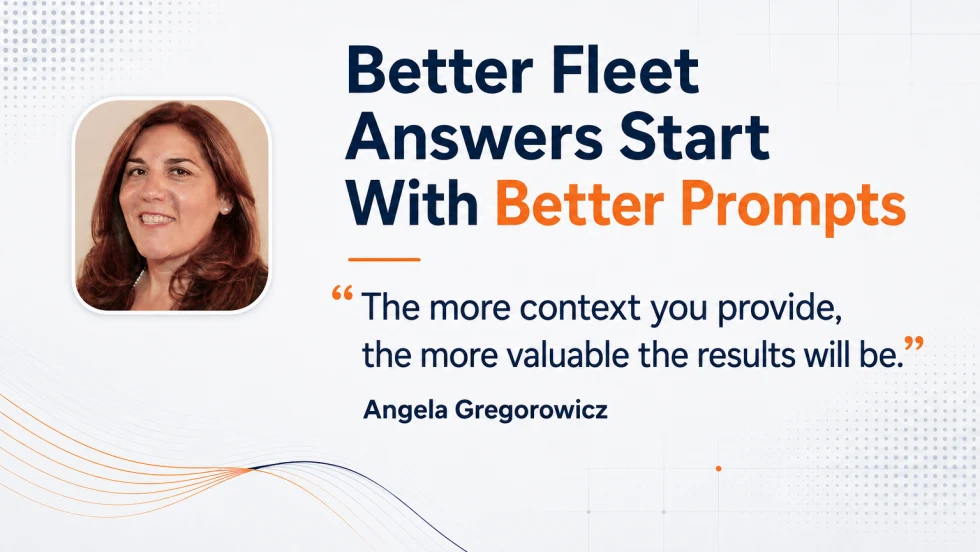
How to Write Better AI Prompts for Fleet Analysis
Include these six elements in your fleet prompts to generate more relevant analysis and accurate answers.
Read More →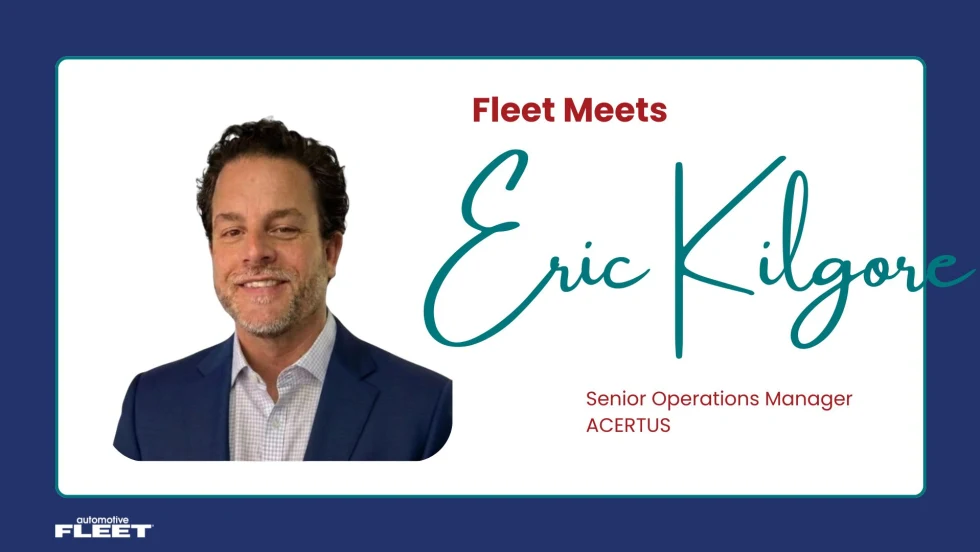
Fleet Meets: Eric Kilgore
This edition of the Fleet Meets series features one of the industry's best leaders driving multi-market and national operations.
Read More →
Why Reactive Fleet Management Is Becoming Too Expensive to Sustain
Research highlights a growing need for proactive management strategies to address rising costs in fleet operations effectively.
Read More →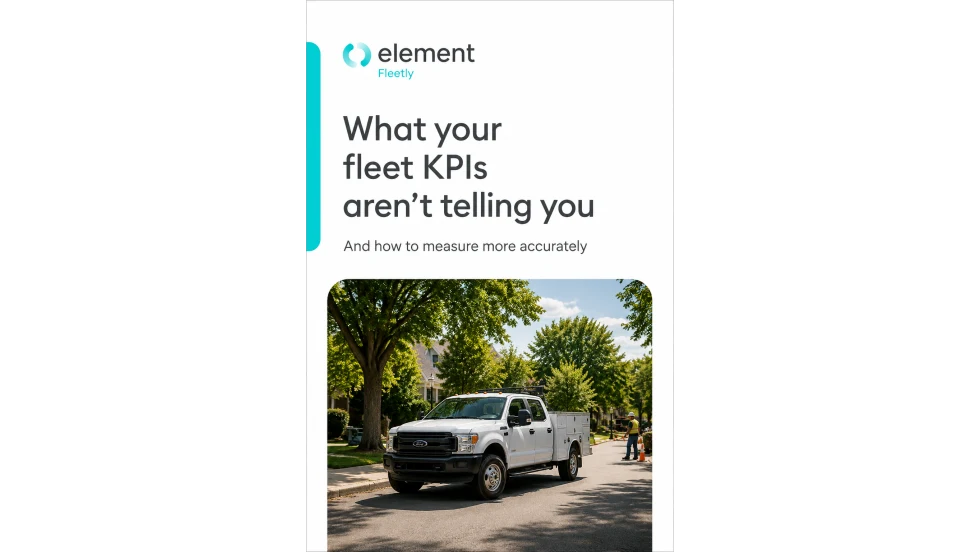
What Your Fleet KPIs Aren’t Telling You
Tracking fleet metrics is only useful when the data leads to better decisions. This guide helps fleet leaders assess cost, utilization, and downtime more accurately, identify performance gaps, and prioritize the actions that can improve operational results.
Read More →
Hidden in Plain Sight: Fleet Compliance Risks
Fleet compliance isn't just about having policies — it's about consistently enforcing them. This practical guide reveals six hidden compliance risks common in public sector and shared fleet operations and outlines proven strategies to improve visibility, accountability, and audit readiness
Read More →
Turning Fleet Payment Data into Executive Insights
Does data alone drive results in operations?
Read More →