




Consumers Gradually Embracing Vehicle Ownership Alternatives
Consumer attitudes about the necessity of vehicle ownership are gradually changing, according to Cox Automotive's mobility study. Access to mobility is necessary but owning a vehicle is not, according to 39% of respondents, which represents a 4% increase over 2015 results.

Consumer attitudes about the necessity of vehicle ownership are gradually changing, according to Cox Automotive's mobility study. Access to mobility is necessary but owning a vehicle is not, according to 39% of respondents, which represents a 4% increase over 2015 results.
The finding comes in the second part of Cox Automotive's deeper dive into mobility trends that looks at alternative ownership. Earlier this month, the company analyzed attitudes about autonomous vehicles.
For urban consumers, 57% indicate access to mobility is more important than vehicle ownership, a 13% increase since 2015. The cost of owning or leasing a vehicle also is perceived to be becoming too high by 48% of respondents. This means increasingly more consumers are prioritizing technology solutions that provide easy and more cost-effective mobility over traditional vehicle ownership.
"Private ownership still dominates the automotive landscape, but options like ride-hailing and subscription programs are increasingly popular with young urban dwellers," said Michelle Krebs, executive analyst for Autotrader. "The trendline for these programs could drastically alter this industry over the next five to 10 years."
Today’s consumers continue to rely overwhelmingly on vehicle ownership as their primary mode of transportation and love the freedom (81%) and convenience (89%) associated with it. This, however, is not particularly true with younger cohorts, as 55% of Generation Z (respondents age 12 to 22) and 45% of millennial (23 to 36) feel transportation is important, but owning a vehicle is not. Thirty-four percent of Generation X (37 to 53) and 28% of Baby Boomers (54 to 72) feel the same.
Various business models such as ride-hailing and carsharing are gaining traction, as are new subscription or flexible lease options. Automakers like BMW, Mercedes-Benz, Porsche, Volvo and mobility companies, including Cox's own Flexdrive, are growing an ecosystem of fleet vehicles, where commercial owners hold the asset and charge consumers for usage.
“Car subscriptions are gaining traction among millennials, and it’s anyone’s game at this point,” said Joe George, president of Cox Automotive’s mobility solutions group. “Our clients are already shifting some of their focus to mobility with automakers and dealerships getting into subscriptions, as well as car-sharing and fleet management. Our strategy is to enable our clients to grow their business and stay relevant as the automotive industry evolves.”
More Operations
Here's When You Should Make an Exception to Fleet Policy
Fleet policies are designed to create consistency, but not every driver or situation fits neatly within standard rules.
Read More →
AI-Native or AI-Acquired: What Should Fleet Managers Look for in an AI Platform?
Six questions can help fleet managers look beyond AI marketing claims to evaluate integration, data access, and real-world operational performance.
Read More →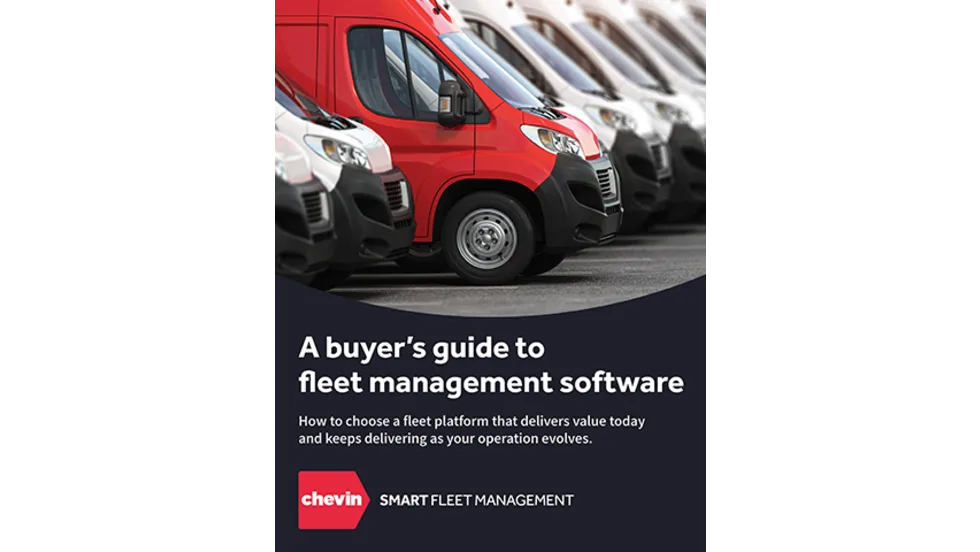
A buyer's guide to fleet management software in 2027
Buying fleet management software in 2027 means looking beyond features and price. As fleet operations, technology and expectations evolve, this guide explores what today’s fleet professionals should consider when choosing a system that can deliver value now and adapt to what comes next.
Read More →

What Will Shape the Next Era of Fleet Management?
EVs, AI, and autonomous vehicles are reshaping fleet management. Discover what’s ahead—and how fleet leaders can prepare for the next era.
Read More →
How Fleets Can Recruit and Train Veterans for Technician Roles
Here's how the technician shortage has affected uptime for fleets, and what to do about it.
Read More →
Avis Budget Group Deploys Neology Toll Management Technology Across Major Brands
Neology’s neoFleet platform will manage toll transactions and toll-authority operations for vehicles across Avis, Budget, Payless, Budget Truck and Zipcar.
Read More →
Fleet Personal-Use Charges Edge Higher in 2026
Nearly eight in 10 surveyed fleets allow personal use of company vehicles, while just over half of respondents report charging employees for the privilege.
Read More →
The Future of Fleet + What’s Changing Right Now | AF News Recap
Could developments overseas offer a preview of what’s coming for U.S. fleets? This week, we’re looking at the future of AI, autonomy, and electrification, plus Ford Pro’s new certified pre-owned program, smarter vehicle offboarding, and a new way for fleets to manage toll expenses.
Read More →
How to Handle Vehicle Offboarding
What do fleet managers need to do when a driver leaves?
Read More →
Fleet Manager’s Ultimate Playbook: Navigating the New Standard in OEM Connectivity
Rising operating costs, driver safety concerns, and unplanned downtime are putting unprecedented pressure on modern fleets. Discover how fleet managers use embedded OEM connectivity and real-time vehicle data to cut TCO, prevent downtime, and protect drivers without aftermarket telematics hardware.
Read More →