




Commercial Fleet Sales Up 8.7 Percent
Fleet sales continue to show strength heading toward the end of the year. Through the first 10 months of the year, OEMs have sold 502,793 vehicles to commercial fleets.
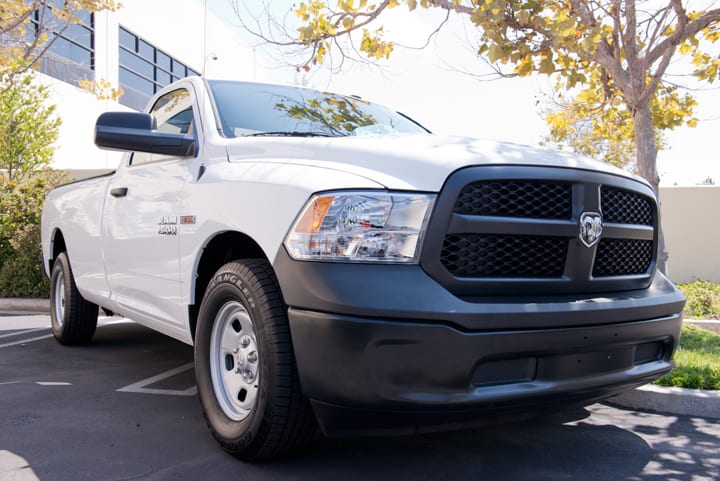
Photo of the Ram 1500 EcoDiesel by Vince Taroc.
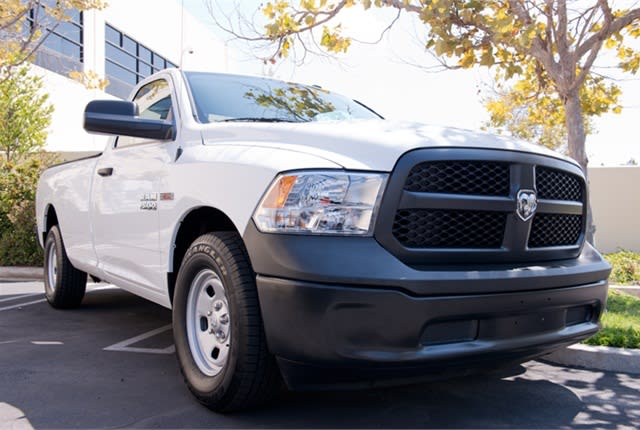
Photo of the Ram 1500 EcoDiesel by Vince Taroc.
Sales of vehicles to commercial fleets has now risen 8.7 percent through October compared to a year ago on a month again driven by robust sales of trucks and SUVs, according to Automotive Fleet data.
Fleets added 8,109 trucks and SUVs during the month, representing a 22.3 percent increase over October of 2013. At the same time, fleets added 1,649 passenger cars for a 21.6 percent increase. Overall, nine OEMs sold 53,829 fleet vehicles for a 22.1 percent increase on the month compared to the same month a year ago.
Fleet sales continue to show strength heading toward the end of the year. Through the first 10 months of the year, OEMs have sold 502,793 vehicles to fleets for an 8.7 percent increase over the same 10 months in 2013. OEMs had sold 462,400 commercial fleet vehicles at this point a year ago.
Trucks and SUVs, including full-size vans, have been pacing commercial fleet sales and now account for a 13 percent increase. OEMs have sold 426,378 trucks and SUVs compared with 377,231 a year ago. Passenger car sales have lagged this year and are now 10.3 percent lower than at this point in 2013. OEMs have sold 76,415 cars compared to the 85,166 cars sold through October of 2013.
More Operations

Fleet Has a Talent Pipeline Problem. What Comes Next? | AF News Recap
Where will fleet’s next generation of leaders come from? This week, we’re looking at the industry’s talent pipeline, what certification can add to a fleet career, how to build an award-worthy track record, and the return of Automotive Fleet’s Personal Use Survey.
Read More →
Smith System Launches Driver Risk Management Program
Fleets have more driver data than ever, but identifying risky behavior doesn't necessarily correct it. Smith System's new Driver Risk Management program combines monitoring, training, and follow-up coaching to help fleets connect risk signals with driver intervention.
Read More →
Automotive Fleet Opens 2026 Personal Use Survey for Commercial Fleet Managers
Less than two weeks left! Commercial and corporate fleet managers are invited to share how their organizations handle company vehicle personal-use policies, charges, and driver eligibility.
Read More →
From AI Prompts to AI-Generated Safety Songs | AF News Recap
Can better prompts make AI more useful for fleet managers? This week, we’re breaking down smarter fleet analysis, an AI-assisted experiment that turned safety training into music, and what happened to fuel prices in August.
Read More →
How to Write Better AI Prompts for Fleet Analysis
Include these six elements in your fleet prompts to generate more relevant analysis and accurate answers.
Read More →
Fleet Meets: Eric Kilgore
This edition of the Fleet Meets series features one of the industry's best leaders driving multi-market and national operations.
Read More →
Why Reactive Fleet Management Is Becoming Too Expensive to Sustain
Research highlights a growing need for proactive management strategies to address rising costs in fleet operations effectively.
Read More →
What Your Fleet KPIs Aren’t Telling You
Tracking fleet metrics is only useful when the data leads to better decisions. This guide helps fleet leaders assess cost, utilization, and downtime more accurately, identify performance gaps, and prioritize the actions that can improve operational results.
Read More →
Hidden in Plain Sight: Fleet Compliance Risks
Fleet compliance isn't just about having policies — it's about consistently enforcing them. This practical guide reveals six hidden compliance risks common in public sector and shared fleet operations and outlines proven strategies to improve visibility, accountability, and audit readiness
Read More →
Turning Fleet Payment Data into Executive Insights
Does data alone drive results in operations?
Read More →