




Commercial Delivery Fleets Ideal EV Users
The businesses are well-suited to the limited range of battery power because they drive short, defined routes.
Electric vehicles are gaining traction among commercial delivery fleets. Staples Inc., the Frito-Lay division of PepsiCo, FedEx Corp., and AT&T are among the companies that have begun purchasing electric delivery trucks, according to the Wall Street Journal.
Proponents say delivery trucks are well-suited to the limited range of battery power because they generally drive short, defined routes.
Electric vehicles can also provide savings to companies over diesel or gasoline models, not only in fuel costs but in maintenance.
Staples has ordered 41 trucks from Smith Electric Vehicles of Kansas City, Mo., and will begin receiving them in January. The trucks have a top speed of about 50 miles per hour and can carry 16,000 pounds. Although they cost about $30,000 more than a diesel, the trucks are expected to recover that expense for Staples in 3.3 years.
Staples said the annual maintenance cost of a diesel delivery truck is about $2,700 in most years, including oil, transmission fluid, filters and belts. The cost for an electric truck-which has no transmission and needs no fluids, filters or belts-the cost is about $250.
And since it costs much more to maintain an internal-combustion delivery truck than a car, the cost savings for truck fleets is greater than for consumers buying an electric model.
Because electric trucks use "regenerative" braking, which returns some of the force of stopping the batteries in the form of electricity, the brakes don't wear out as fast. That means the brakes last four or five years, not one or two, before they need a $1,100 repair.
Electric trucks also don't need the urea exhaust-cleaning system of diesels, which costs about $700 a year to maintain. And electric motors are far less complex than diesel engines, last much longer, and require little training to work on them.
Staples also says it will save about $6,500 per year in fuel costs per electric vehicle over a diesel model.
Electric trucks cost substantially more, however. A Smith model with a 50-mile battery range and basic equipment would go for about $90,000, compared with about $60,000 for a diesel model.
But overall, Staples expects to save nearly $60,000 over the 10-year life of an electric truck over a diesel model.
More Green Fleet
EV Charging Use Is Outpacing Infrastructure Growth
ChargePoint’s 2026 Charging Forward Report points to rising charger use, higher-powered charging, commercial vehicle electrification, and energy-management technology. Here’s what fleets should know.
Read More →
Merchants Fleet Reports 290M EV Miles as Fleets Navigate Changing Electrification Market
From millions in operating savings to hundreds of millions of EV miles, Merchants Fleet’s latest report reveals what’s working and what’s changing in fleet electrification.
Read More →
The EV Breakdown Nobody's Talking About: Why Most Electric Vehicle Roadside Calls Aren't Mechanical Failures
Here's why EV breakdowns are widely misunderstood.
Read More →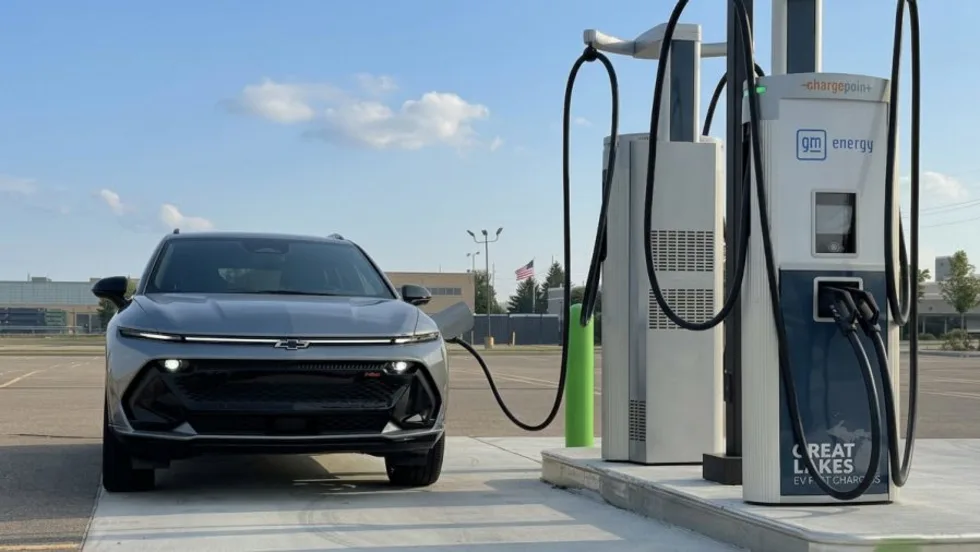
ChargePoint Now Available in Energy Pass
ChargePoint and additional planned charging network integrations were added to GM's Energy Pass.
Read More →
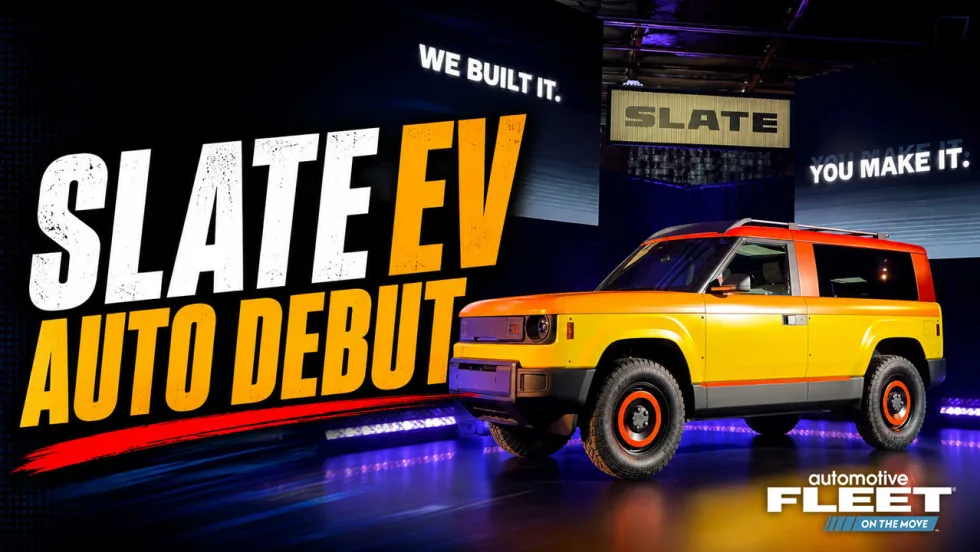
First Look: Slate Auto's Electric Fleet Pickup
Could an affordable, modular EV pickup make electrification more practical for fleets?
Read More →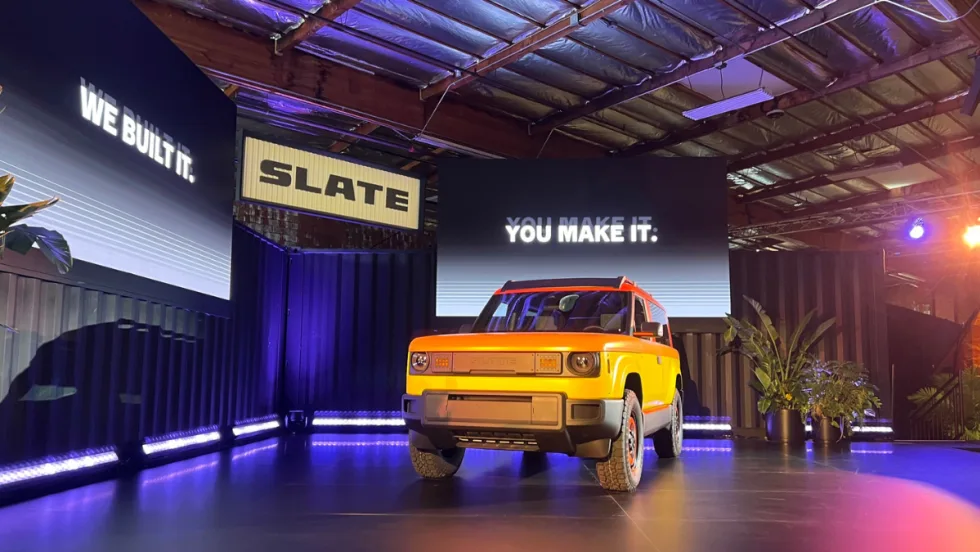
Slate Debuts Colorful, Unique EV Models
A recent media and client event, studded with electric vehicles dressed up on platforms, planted a new position for the manufacturer in the wider EV market. Fleets will find cost-saving advantages.
Read More →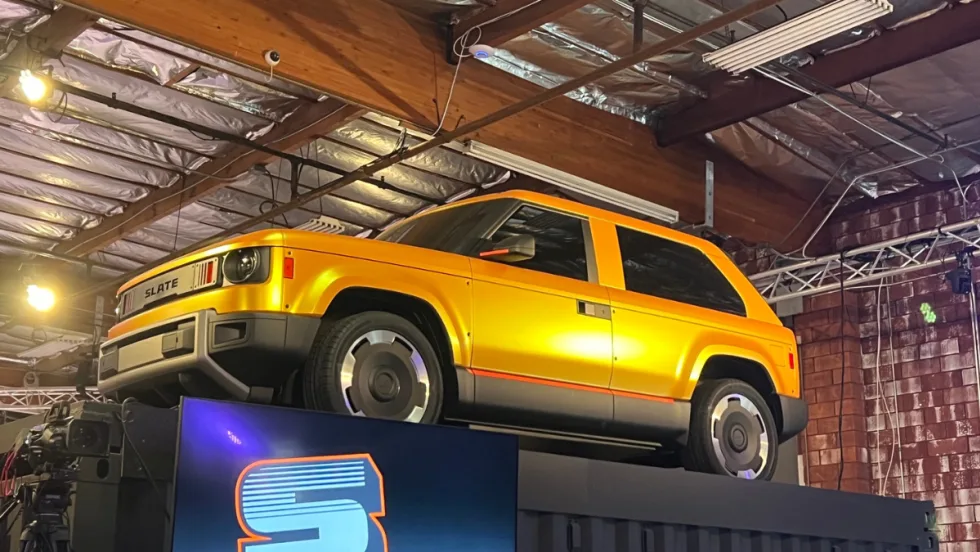
Slate Electric SUV, Pickup Switchable Model Aims For Light-Duty Fleets
Everything about this EV is counterintuitive and understated, making it stand out from the crowd.
Read More →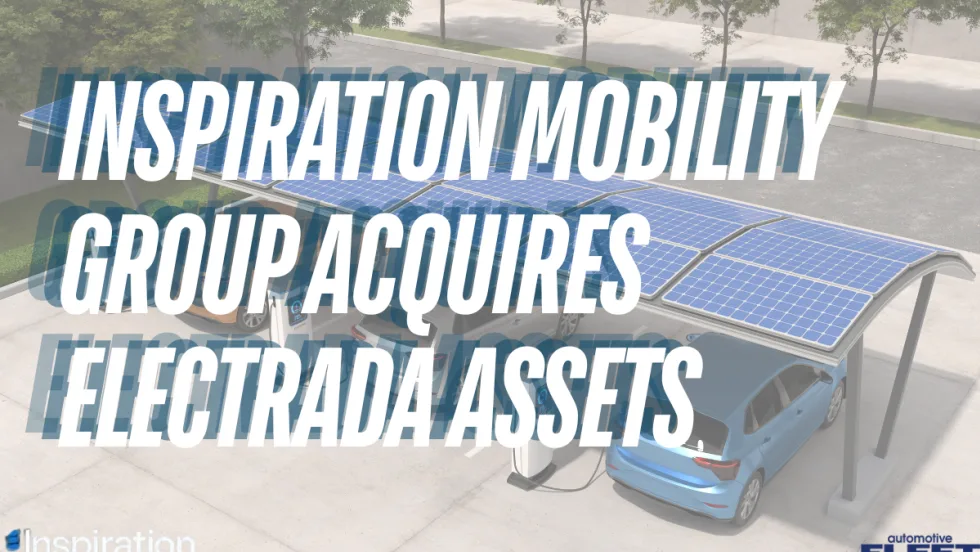
Inspiration Mobility Acquires Key Electrada Assets
Inspiration Mobility Group has acquired select assets of Electrada, adding the fleet electrification provider's team, technology, and charging infrastructure development capabilities to its energy management business.
Read More →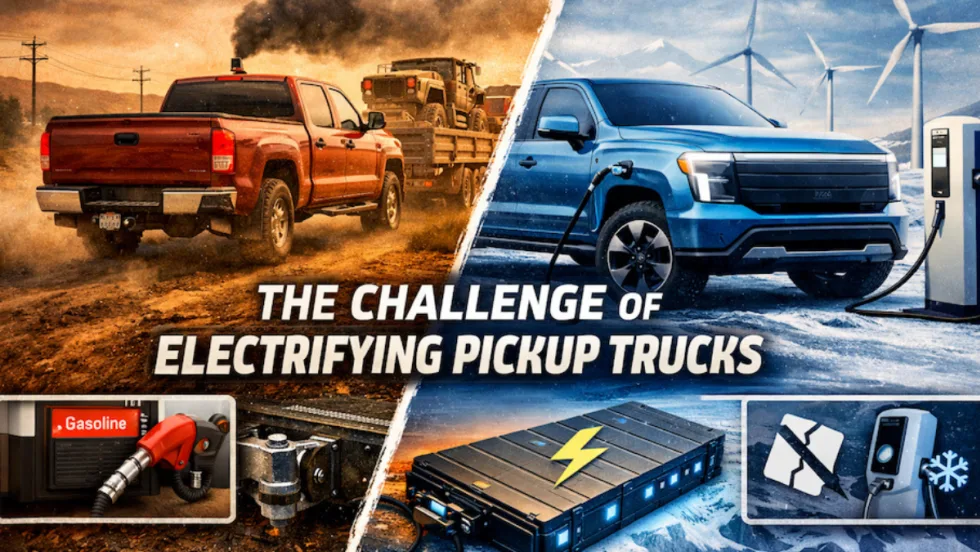
Why America’s Most Popular Vehicle is So Hard to Electrify
Turning America’s favorite workhorse electric means balancing range, payload, charging infrastructure, and price, an equation automakers are still trying to solve.
Read More →