




Clean Diesels Claim 33% of On-Highway Market
More than one-third of all medium and heavy duty commercial trucks registered in the United States are now equipped with newer technology clean diesel engines.
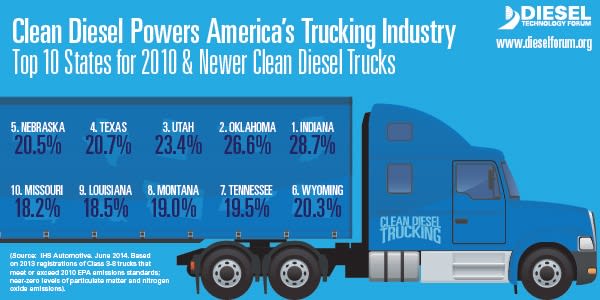
More than one-third of all medium and heavy duty commercial trucks registered in the United States are now equipped with newer technology clean diesel engines.
According to new data compiled by IHS Automotive for the Diesel Technology Forum, 2.9 million of the nation's 8.8 million trucks are now powered clean diesels.
“Because more than 95% of all heavy-duty trucks are diesel-powered it is significant that more than one-third of these trucks are near-zero emission vehicles,” says Allen Schaeffer, executive director of the Diesel Technology Forum. “Diesel trucks are literally the driving force behind goods movement in the U.S. and worldwide economies, so the fact that the clean diesel fleet is increasing is good news for improved fuel efficiency and the environment. These new trucks are so clean that it now takes more than 60 of today’s clean diesel trucks to equal the emissions from a single 1988 truck."
The new data includes total registration information on Class 3-8 trucks from 2007 through 2013 in all 50 states and the District of Columbia.
The Top 5 states for 2007 or newer diesels by vehicle population are Indiana (50.4%), Utah (44.8%), Oklahoma (41.9%), Texas (41.9%) and Wyoming (41.4%).
The Top 5 states for 2010 or newer diesels by vehicle population are Indiana (28.7%), Oklahoma (26.6%), Utah (23.4%), Texas (20.7%) and Nebraska (20.5%).
The new clean diesel technology has reduced emissions from heavy-duty diesel trucks and buses by 99% for nitrogen oxides (NOx) and 98% for particulate emissions (PM).
Beginning in 2007, all heavy duty diesel trucks sold had to meet particulate emissions levels of no more than 0.01 grams per brake horse-power hour (g/HP-hr).
“Last year was the fifth consecutive year of increased penetration of the new clean diesel trucks in the fleet, reflecting the continuing confidence that American truckers have in the performance and fuel efficiency improvements of new technology diesel engines,” Schaeffer adds.
The Diesel Technology Forum has more information about clean diesel trucks.
More Green Fleet
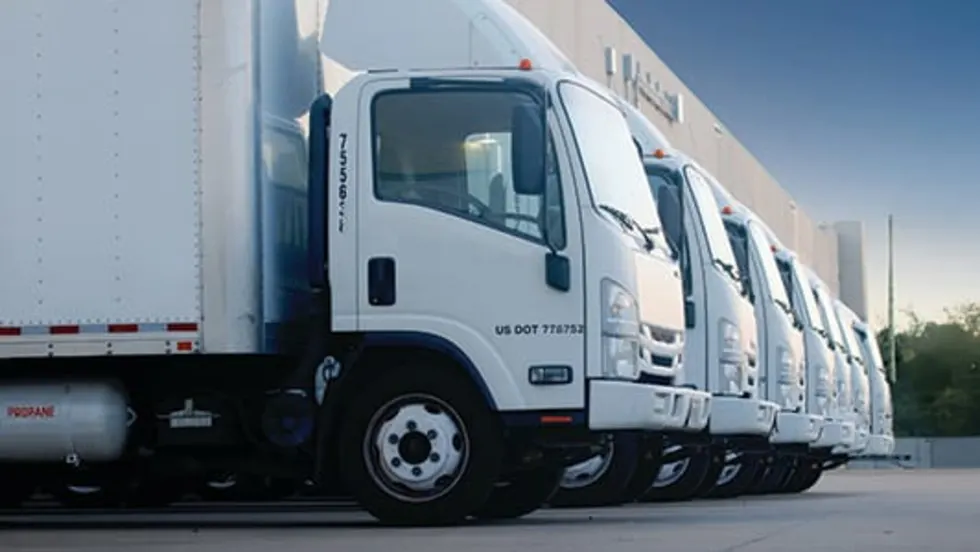
New Propane Autogas Program Offers Fleet Compensation
Qualified commercial fleets can receive $7,500 per eligible propane autogas vehicle and up to $10,000 for new refueling site prep. Learn how the program works and see whether your fleet qualifies.
Read More →
EV Charging Use Is Outpacing Infrastructure Growth
ChargePoint’s 2026 Charging Forward Report points to rising charger use, higher-powered charging, commercial vehicle electrification, and energy-management technology. Here’s what fleets should know.
Read More →
Merchants Fleet Reports 290M EV Miles as Fleets Navigate Changing Electrification Market
From millions in operating savings to hundreds of millions of EV miles, Merchants Fleet’s latest report reveals what’s working and what’s changing in fleet electrification.
Read More →
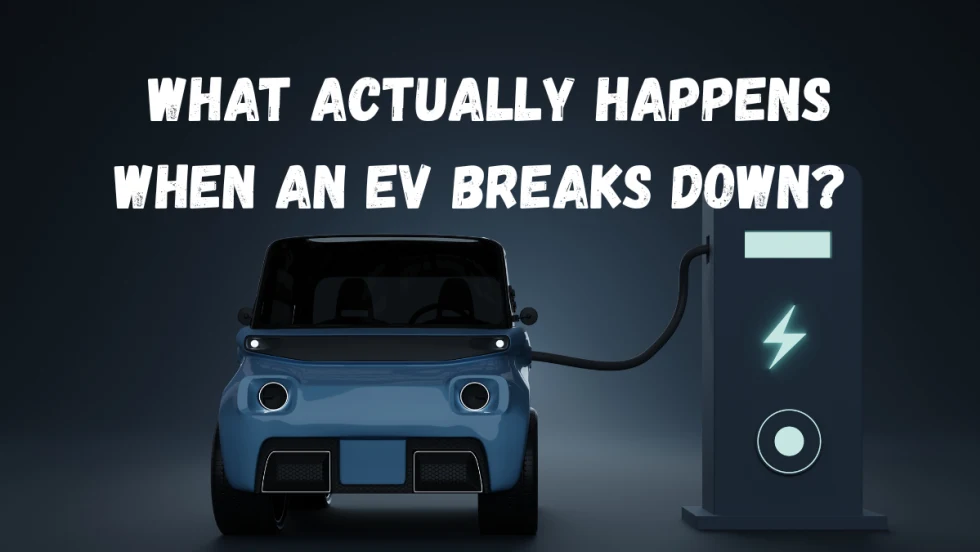
The EV Breakdown Nobody's Talking About: Why Most Electric Vehicle Roadside Calls Aren't Mechanical Failures
Here's why EV breakdowns are widely misunderstood.
Read More →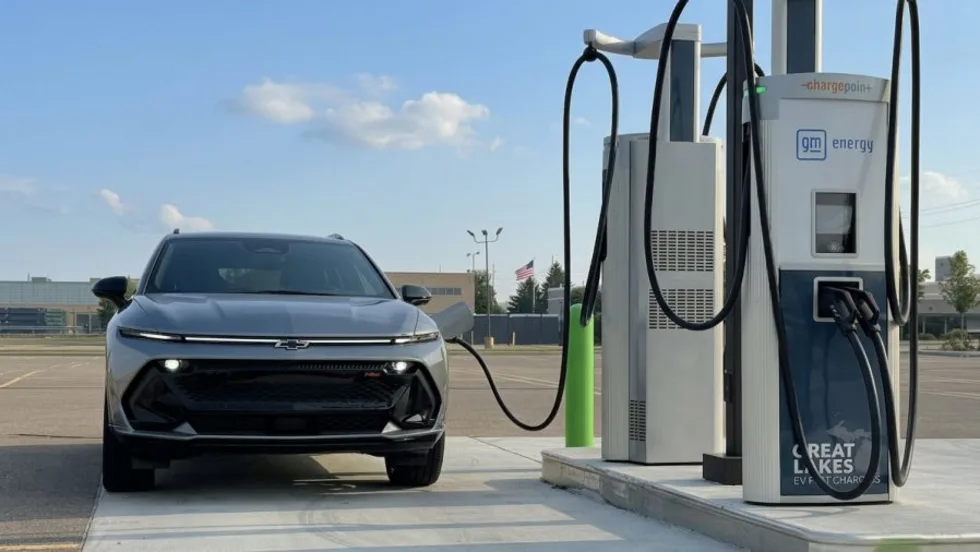
ChargePoint Now Available in Energy Pass
ChargePoint and additional planned charging network integrations were added to GM's Energy Pass.
Read More →

First Look: Slate Auto's Electric Fleet Pickup
Could an affordable, modular EV pickup make electrification more practical for fleets?
Read More →
Slate Debuts Colorful, Unique EV Models
A recent media and client event, studded with electric vehicles dressed up on platforms, planted a new position for the manufacturer in the wider EV market. Fleets will find cost-saving advantages.
Read More →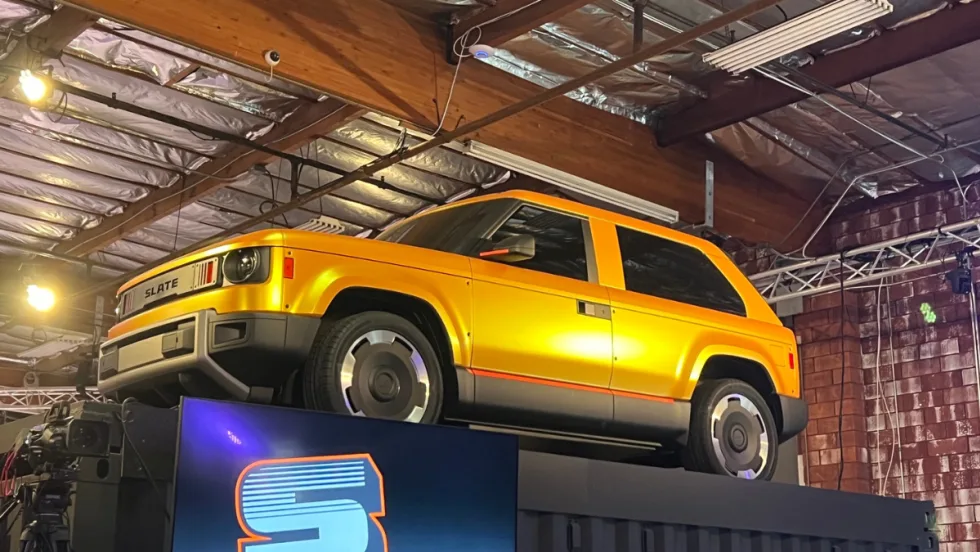
Slate Electric SUV, Pickup Switchable Model Aims For Light-Duty Fleets
Everything about this EV is counterintuitive and understated, making it stand out from the crowd.
Read More →
Inspiration Mobility Acquires Key Electrada Assets
Inspiration Mobility Group has acquired select assets of Electrada, adding the fleet electrification provider's team, technology, and charging infrastructure development capabilities to its energy management business.
Read More →