




Clean Air Act Scrutinized by Supreme Court
The Supreme Court heard arguments on Nov. 7 that call into question the basic structure of federal regulation under the 1970 Clean Air Act. The cases pit the trucking industry against the Environmental Protection Agency (EPA) over whether the EPA unconstitutionally acted like a legislature when it set new, tougher emission standards for certain air pollutants on the basis of public health considerations, without considering economic costs or other factors. If the court holds that the EPA rules violated the seldom-invoked “nondelegation doctrine,” under which administrative agencies may not be given functions that properly belong to Congress, the ramifications could extend well beyond the EPA to call into question the authority of nearly all federal regulatory agencies. Even if the court shies away from such a sweeping ruling, it could still use this case to require the EPA to employ cost-benefit analyses in setting standards for emissions, something Congress has reportedly declined to do on its own. In July 1997, the EPA revised its standards to require states to reduce the level of ozone in the air from 0.12 parts per million (ppm) to 0.08 ppm, and to more tightly regulate soot particles. The agency estimated that the new rules would save an estimated 15,000 lives per year. But the trucking industry sued, claiming that the new rules would achieve these benefits at a huge cost to industry. Last year, the U.S. Court of Appeals for the District of Columbia Circuit told the EPA it would have to rewrite its rules, holding that the EPA had given no reason why it set the standards where it did, when public health would have been protected at a lower level. The court said this failure to act according to an “intelligible principle” violated the nondelegation doctrine. However, the District of Colombia Circuit held that the Clean Air Act does not authorize the EPA to set emission standards without first weighing the health benefits of its actions against their cost to industry and others.
More Operations
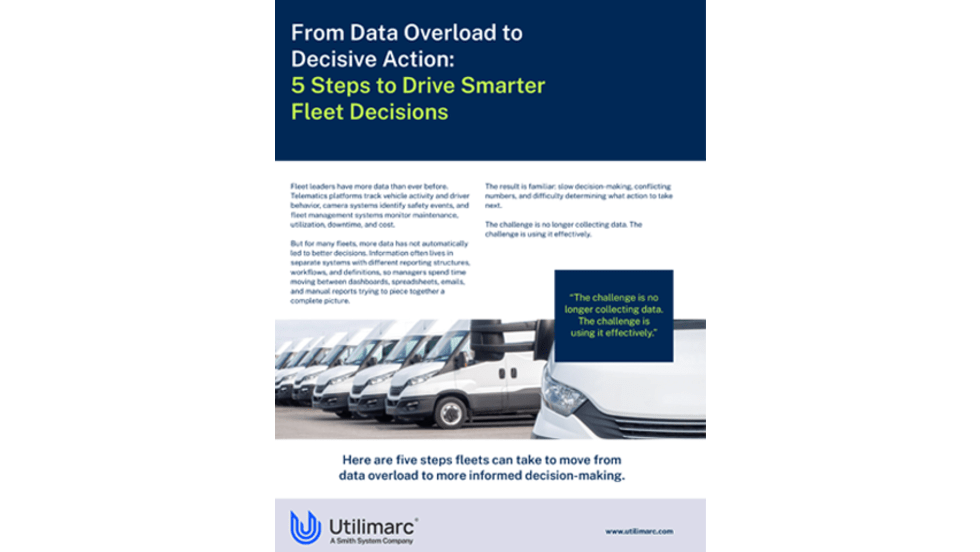
Turn Fleet Data Into Smarter Decisions
Fleet leaders have access to more operational data than ever, but disconnected systems and unclear metrics often slow decision-making instead of improving it. This article outlines five practical steps fleets can take to transform fragmented data into actionable insights that improve planning, safety, utilization, and long-term performance.
Read More →
Hybrids: Electrification Without the Challenges
For fleet managers, fuel is one of the biggest line items in the budget — and it's one hybrids can shrink without changing how your people work. Download the eBook to see the numbers, understand the technology, and get a step-by-step guide to making the switch.
Read More →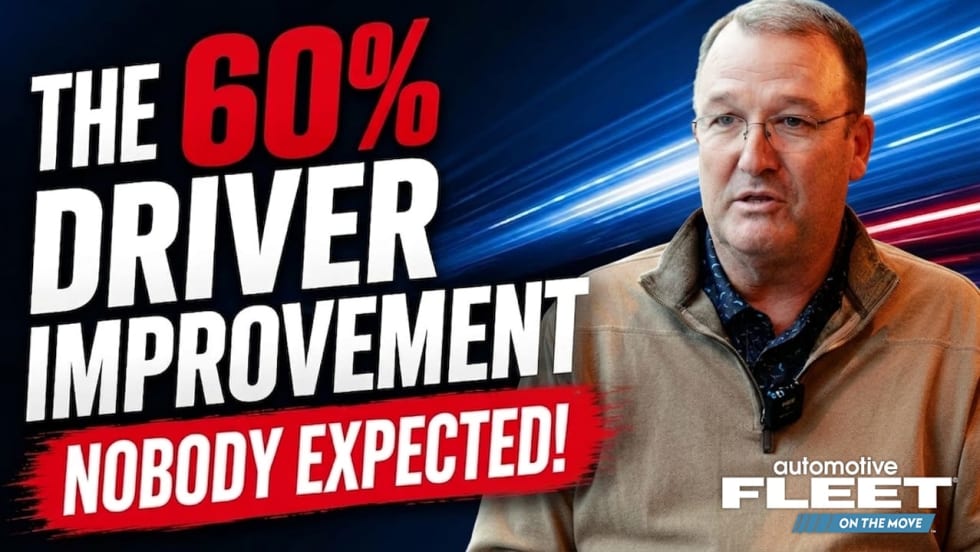
How NOV Uses Telematics to Improve Fleet Safety Across 160 Locations
James Victory of NOV discusses how the company manages fleet safety, maintenance, and telematics across more than 150 locations supporting oilfield operations throughout the U.S.
Read More →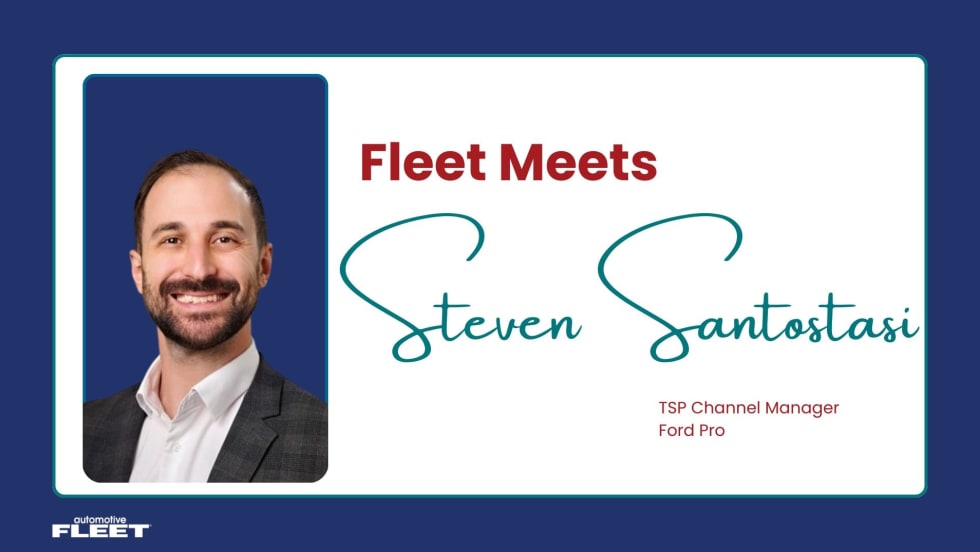
Fleet Meets: Steven Santostasi
This edition of the Fleet Meets series features Steven Santostasi, the current TSP channel manager for Ford Pro.
Read More →
Why Fleet Managers Are Replacing Departmental Vehicles with Shared Motor Pools
Departmentally assigned vehicles often create hidden costs through underutilization, poor visibility, and increased administrative burden. This white paper explores how shared motor pool strategies help fleets reduce costs, improve accountability, and optimize vehicle utilization.
Read More →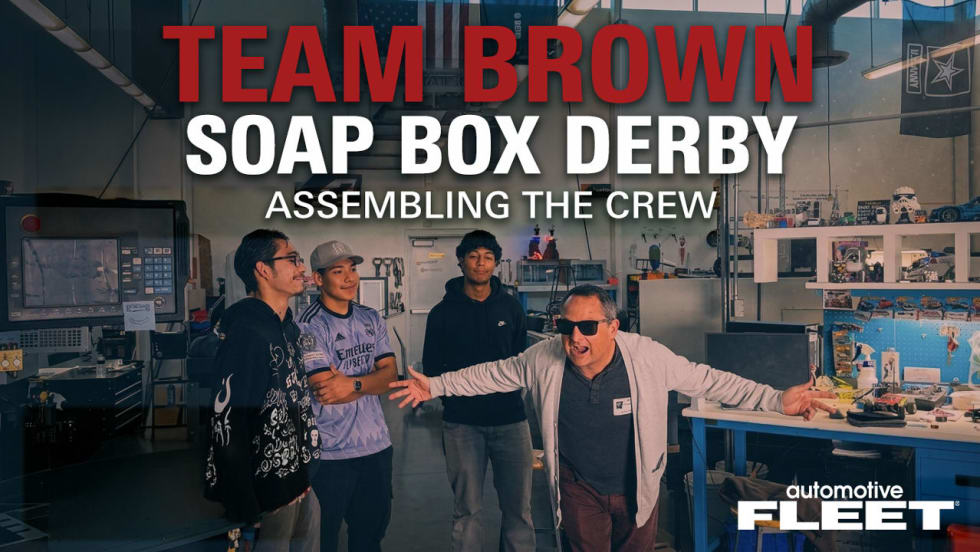
Soap Box Derby Challenge: Assembling the Crew
Meet Gabriel, Matthew, and Angel — the team helping bring this soap box derby build to life.
Read More →
BBL Fleet Acquires Velcor Leasing Corporation
BBL Fleet expanded its footprint in the fleet management industry with the acquisition of Velcor Leasing Corporation of Madison through a stock purchase agreement finalized Feb. 27, 2026.
Read More →
Lytx Introduces New AI Fleet Technologies at Protect 2026
The company introduced new AI-driven fleet safety and operations technologies during its annual user conference.
Read More →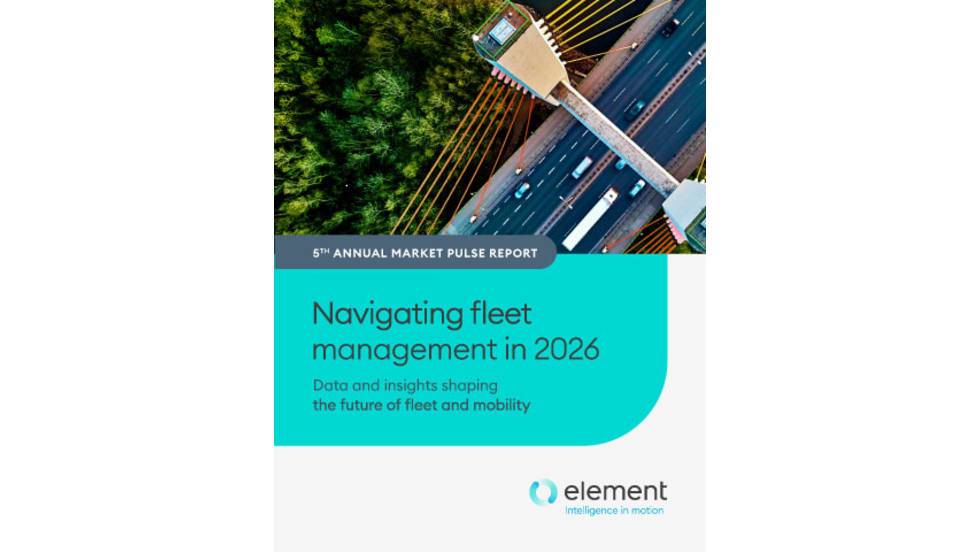
Fleet Costs Are Rising: Here’s How Leaders Are Responding
Fleet leaders are under pressure to reduce costs, adapt to economic uncertainty, and make smarter decisions. See how peers across North America are responding with real data, proven strategies, and forward-looking insights. Download the 2026 Market Pulse Report to benchmark your strategy and uncover where you can gain an edge.
Read More →
From Waffle House to AI: Fleet Trends You Need to Know
In this AF news recap, host Faith Howell covers how Waffle House stepped up during disaster response and new AI tech on the market.
Read More →