




City of Jacksonville Expected to Save $7 Million on Fuel Costs
JACKSONVILLE, FL – Expecting to pay an average of $3.75 a gallon for its gasoline and diesel this year, only about half of the city's fuel budget will be spent, according to Jacksonville.com.
JACKSONVILLE, FL – Jacksonville taxpayers could save more than $7 million this year if fuel prices continue to drop. Expecting to pay an average of $3.75 a gallon for its gasoline and diesel, only about half of the city's fuel budget will be spent, according to Jacksonville.com.
City budget cycles run from October through September, meaning several months remain in this fiscal year. The savings would depend on normally volatile prices staying stable until then.
The city currently has penciled in $2 a gallon for gas and $2.40 for diesel - in line with estimates by the U.S. Energy Department of averages of $1.95 for gas and $2.28 for diesel for the rest of 2009.
Still, as preliminary talks get under way for the 2009-10 budget, Jacksonville's financial planners are optimistic this year's annual fuel expense will fall from the budgeted $15.6 million to the new estimate, $8.1 million.
Jacksonville's total budget is $972 million.
The savings would help cut the city's losses after a year of unprecedented pain at the pump. Last fiscal year, the city developed a plan to phase out larger, less-efficient vehicles after $4-a-gallon gasoline contributed heavily to an $11.4 million jump in the fleet management budget. The phase-outs enabled financial planners to trim $3 million from this year's anticipated costs.
A spokesperson for Mayor John Peyton said the $7 million savings would be in addition to the fleet restructure and recent directives against engine idling in city vehicles. The fuel budget covers diesel for the city's garbage trucks as well as gasoline for sheriff's cruisers and other city fleet vehicles, such as SUVs used by Peyton and other constitutional officers.
More Fuel
WEX Report: Fleet Fuel Costs Rise as Purchasing Volumes Hold Steady in 2026
New analysis of WEX customer transaction data highlights rising fuel expenses, differences in purchasing behavior, and opportunities for fleet managers to evaluate operating costs.

October Fuel Trends Show Diverging Gasoline and Diesel Prices
Get the latest fuel trends from October.

Fuel Prices Surge in September | September Fuel Update
September brought major fuel price swings, including diesel crossing $6 a gallon. Here’s how gas and diesel prices changed throughout the month, and where they stood heading into October.

Turning Fleet Payment Data into Executive Insights
Ramel Lindsay of U.S. Bank Voyager discusses how fleets can transform payment and transaction data into actionable intelligence to reduce costs, improve oversight, and support executive decision-making.

Why the IRS Raised Its Mileage Rate in the Middle of 2026
Fuel-price volatility drove the rare increase to 76 cents per mile, the fifth midyear adjustment since 2000.
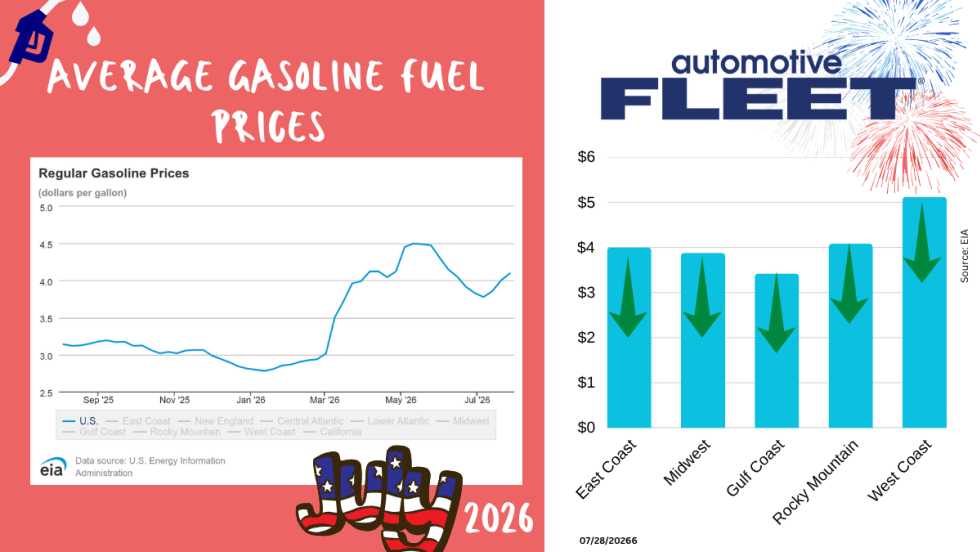
July Fuel Update: Prices Keep Rising in Light of More Conflict
Gas prices continue to rise as more and more conflicts do, too.

Bob Adamsky on Fuel Volatility: "Don't Panic, Have a Plan."
When it comes to up and down fuel prices, Adamsky has a message for fleets: “Don’t panic.”

How Fleets Can Gain Control of Non-Fuel Spend
Fuel often gets the spotlight, but non-fuel expenses can have a major impact on fleet costs. Ramel Lindsay of U.S. Bank Voyager discusses how fleets can gain better visibility and control over these often-overlooked expenditures.

Fuel is Just the Start: How Middle East Tensions are Driving Up Fleet Maintenance Costs
The Middle East conflict is doing more than pushing up fuel prices. It’s also raising the cost of key maintenance products your fleet depends on, from motor oil to tires to windshield wipers. Here’s what you need to know about this budget-busting situation.
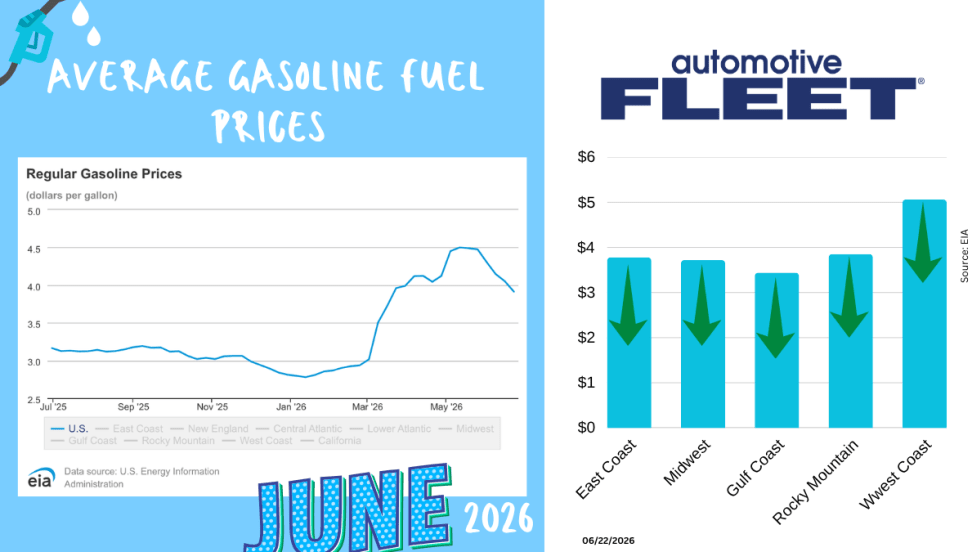
June Fuel Update: Prices Fall Below $4
Drivers are finally getting some relief at the pump. The national average gas price has dropped below $4 a gallon for the first time in months, with prices falling in 47 states as oil markets react to developments in U.S.-Iran negotiations.