




Chrysler’s Plans for Commercial Fleet Allocation
DETROIT - Automotive Fleet magazine recently talked with Steven Landry, executive vice president – North American Sales at Chrysler LLC, about the manufacturer’s future in fleet.
DETROIT - Automotive Fleet magazine recently talked with Steven Landry, executive vice president – North American Sales at Chrysler LLC, about the manufacturer’s future in fleet. Landry reveals key strategies for commercial, government, and rental fleet sales, as well as how Chrysler plans to increase vehicle residual values.
AF: It has been reported that Chrysler is cutting back its commercial fleet allocation. Is this true?
Landry: No. As a matter of fact our plan is to increase commercial and government fleet sales as these are good business for Chrysler. We achieved record sales in the commercial and government fleet markets in 2007 and we will continue our commitment to developing this business.
AF: Why has Chrysler cut back on program car sales to daily rental companies?
Landry: The reduction of daily rental fleet is in line with the company’s business plan to focus our product on retail business first and improve the residual value of our product. We are committed to the strong relationship that we have with our daily rental customers. These companies serve an important demand in the marketplace. We will continue to foster this strong relationship.
AF: How is an intended reduction in rental sales going to influence residual values?
Landry: With less vehicles in rental fleets, we will have fewer vehicles coming back to auction and with a lower supply of used vehicles, this will assist in increasing the residual value of our products.
AF: What other initiatives does Chrysler have in place to enhance residual values?
Landry: Our product strategies put the customer first. We are increasing the value of our product by adding more options to our vehicles at a discounted price. We are also developing more fuel efficient engines. We currently have more than 1.5 million ethanol-capable vehicles on the road. In 2007, we produced nearly 250,000 more E85-capable vehicles, and in 2008 we plan to double that number. We are also managing the mix of the vehicles that go into rental service to maximize customer value.
AF: What are your goals for government fleet sales?
Landry: Government fleet sales are defined as sales to state and local municipalities and to the federal government. This is an important area of business that we want to continue to grow. Some great examples of our growth strategy initiatives are Dodge’s re-entry into the Medium Duty truck market with Dodge Ram 4500 and 5500 Chassis Cabs, and into the Police vehicle market with Dodge Charger.
AF: Chrysler has entered the medium-duty truck market for the first time in 30 years. How will these new products help expand your commercial market fleet share?
Landry: By introducing our full-line of commercial vehicles, including Dodge Ram Chassis Cabs, Dodge Grand Caravan Cargo Van and Dodge Sprinter Passenger, Cargo and Chassis Cabs, we now have a full compliment of products to satisfy all the fleet needs of our current and future potential customers. We’re proud that the Dodge Ram 3500 Chassis Cab has achieved nearly one-third share of the market while having just been in the marketplace less than a year.
AF: How committed to the commercial fleet market is Chrysler under its new management? What initiatives do you have to strengthen sales and customer service to commercial fleet customers?
Landry: We remain fully committed to the Commercial, Government, and Daily Rental markets. To support this important facet of our business, we have recently announced a re-organization within our Fleet Operations creating a dedicated Commercial Truck National Sales and Support team focused on business relations specific to each market. We are confident that with our new organization in place that our fleet customers will continue to see our commitment to this important business.
More Operations

Fleet Has a Talent Pipeline Problem. What Comes Next? | AF News Recap
Where will fleet’s next generation of leaders come from? This week, we’re looking at the industry’s talent pipeline, what certification can add to a fleet career, how to build an award-worthy track record, and the return of Automotive Fleet’s Personal Use Survey.
Read More →
Smith System Launches Driver Risk Management Program
Fleets have more driver data than ever, but identifying risky behavior doesn't necessarily correct it. Smith System's new Driver Risk Management program combines monitoring, training, and follow-up coaching to help fleets connect risk signals with driver intervention.
Read More →
Automotive Fleet Opens 2026 Personal Use Survey for Commercial Fleet Managers
Less than two weeks left! Commercial and corporate fleet managers are invited to share how their organizations handle company vehicle personal-use policies, charges, and driver eligibility.
Read More →
From AI Prompts to AI-Generated Safety Songs | AF News Recap
Can better prompts make AI more useful for fleet managers? This week, we’re breaking down smarter fleet analysis, an AI-assisted experiment that turned safety training into music, and what happened to fuel prices in August.
Read More →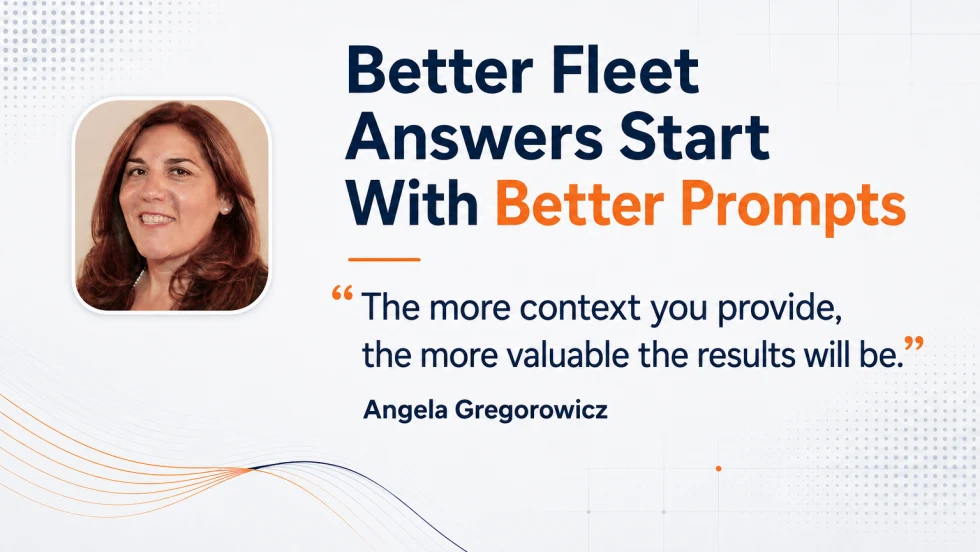
How to Write Better AI Prompts for Fleet Analysis
Include these six elements in your fleet prompts to generate more relevant analysis and accurate answers.
Read More →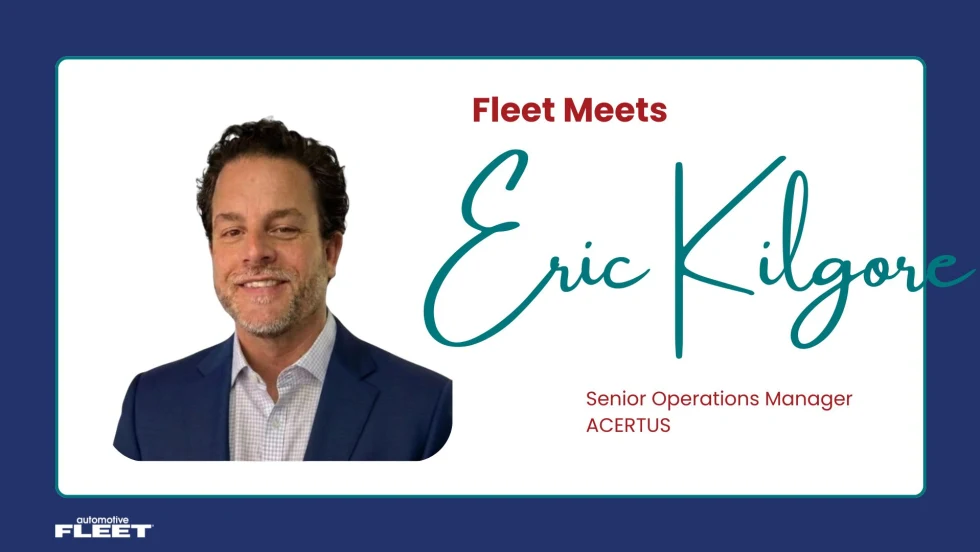
Fleet Meets: Eric Kilgore
This edition of the Fleet Meets series features one of the industry's best leaders driving multi-market and national operations.
Read More →
Why Reactive Fleet Management Is Becoming Too Expensive to Sustain
Research highlights a growing need for proactive management strategies to address rising costs in fleet operations effectively.
Read More →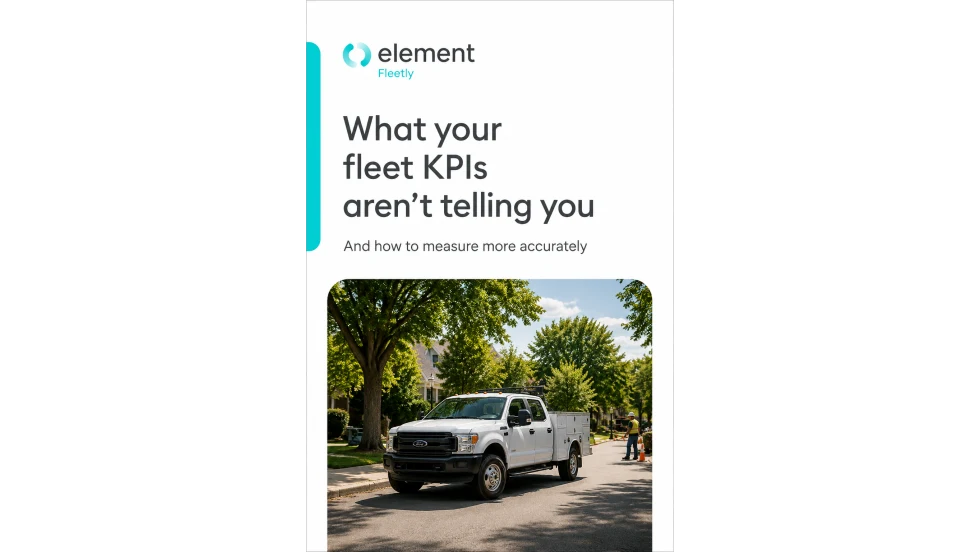
What Your Fleet KPIs Aren’t Telling You
Tracking fleet metrics is only useful when the data leads to better decisions. This guide helps fleet leaders assess cost, utilization, and downtime more accurately, identify performance gaps, and prioritize the actions that can improve operational results.
Read More →
Hidden in Plain Sight: Fleet Compliance Risks
Fleet compliance isn't just about having policies — it's about consistently enforcing them. This practical guide reveals six hidden compliance risks common in public sector and shared fleet operations and outlines proven strategies to improve visibility, accountability, and audit readiness
Read More →
Turning Fleet Payment Data into Executive Insights
Does data alone drive results in operations?
Read More →