




Chrysler Using 3D Modeling System to Improve Manufacturing Processes
TRAVERSE CITY, MI - Chrysler is using a type of 3D modeling software that allows the company to develop virtual manufacturing technologies and processes, thereby avoiding potential problems and cost-related issues in advance of actual manufacturing.
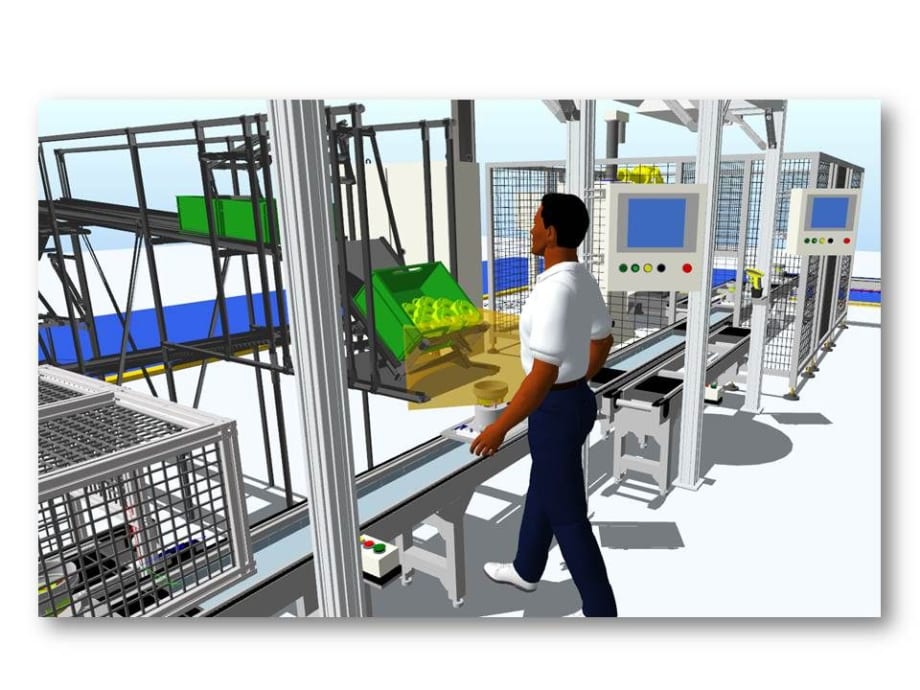
An image from Chrysler's 3D modeling system that it's using to improve its manufacturing processes.
An image from Chrysler's 3D modeling system that it's using to improve its manufacturing processes.
TRAVERSE CITY, MI – Chrysler Group LLC is using a 3D modeling system to improve how its powertrain manufacturing processes. The automaker said this technology, which Chrysler utilizes with the help of Michigan-based Strategic Manufacturing Solutions (SMS), helps everyone working on powertrain manufacturing see the shop floor “as it really is” and not as how an individual might imagine it. The software helps engineers address issues that could delay a program or cost money to fix even before equipment arrives at the plant for manufacturing.
Chrysler stated it's using this 3D system in its up-front processes to prepare for the launch of two new transmissions in Kokomo, Ind., the eight-speed rear-wheel drive and nine-speed front-wheel drive, in addition to other new powertrain programs.
The automaker’s 3D software technology uses layouts of the manufacturing area to help those involved with the overall process figure out where to position racks and materials to bring them efficiently to operators in the “Golden Zone,” a 60-degree window that is ideal to present parts, according to Chrysler.
The 3D software can also show an “exploded” view of a machine, which allows operators to see how all its parts fit together, and how to better maintain and repair that device. The company's Brian Harlow, vice president, head of NAFTA Powertrain Operations and Global Powertrain Manufacturing Engineering, said animation is another aspect of the 3D software that allows the company to validate cycle times and discover any system-related issues that could crop up before the machinery is built.
Chrysler noted that another benefit is the immediate exchange of information between plants around the world, machine tool builders, and Chrysler’s partner SMS. People at a plant can use a computerized white board to write directly on layouts, and that information is transmitted back to SMS, where people there can immediately integrate the changes into a master layout. These layouts are accessible via a remote access system to anyone involved in Chrysler’s development process anywhere in the world, the company stated.
Controlling costs is yet another benefit the system provides. The system features a financial calculator that can take into account variables such as capital investment, capacity, operating budget, perimeter costs and cost per unit and show how they affect one another. This allows Chrysler to make fast, informed decisions, the company stated.
More Operations

Fleet Has a Talent Pipeline Problem. What Comes Next? | AF News Recap
Where will fleet’s next generation of leaders come from? This week, we’re looking at the industry’s talent pipeline, what certification can add to a fleet career, how to build an award-worthy track record, and the return of Automotive Fleet’s Personal Use Survey.
Read More →
Smith System Launches Driver Risk Management Program
Fleets have more driver data than ever, but identifying risky behavior doesn't necessarily correct it. Smith System's new Driver Risk Management program combines monitoring, training, and follow-up coaching to help fleets connect risk signals with driver intervention.
Read More →
Automotive Fleet Opens 2026 Personal Use Survey for Commercial Fleet Managers
Less than two weeks left! Commercial and corporate fleet managers are invited to share how their organizations handle company vehicle personal-use policies, charges, and driver eligibility.
Read More →
From AI Prompts to AI-Generated Safety Songs | AF News Recap
Can better prompts make AI more useful for fleet managers? This week, we’re breaking down smarter fleet analysis, an AI-assisted experiment that turned safety training into music, and what happened to fuel prices in August.
Read More →
How to Write Better AI Prompts for Fleet Analysis
Include these six elements in your fleet prompts to generate more relevant analysis and accurate answers.
Read More →
Fleet Meets: Eric Kilgore
This edition of the Fleet Meets series features one of the industry's best leaders driving multi-market and national operations.
Read More →
Why Reactive Fleet Management Is Becoming Too Expensive to Sustain
Research highlights a growing need for proactive management strategies to address rising costs in fleet operations effectively.
Read More →
What Your Fleet KPIs Aren’t Telling You
Tracking fleet metrics is only useful when the data leads to better decisions. This guide helps fleet leaders assess cost, utilization, and downtime more accurately, identify performance gaps, and prioritize the actions that can improve operational results.
Read More →
Hidden in Plain Sight: Fleet Compliance Risks
Fleet compliance isn't just about having policies — it's about consistently enforcing them. This practical guide reveals six hidden compliance risks common in public sector and shared fleet operations and outlines proven strategies to improve visibility, accountability, and audit readiness
Read More →
Turning Fleet Payment Data into Executive Insights
Does data alone drive results in operations?
Read More →