




Chrysler to Introduce 2013 Dodge Dart Compact Sedan at Detroit Auto Show
AUBURN HILLS, MI - Chrysler released details on its new compact sedan, the 2013-MY Dodge Dart. The automaker said the vehicle will offer three fuel-efficient powertrain choices and will be built in the U.S.
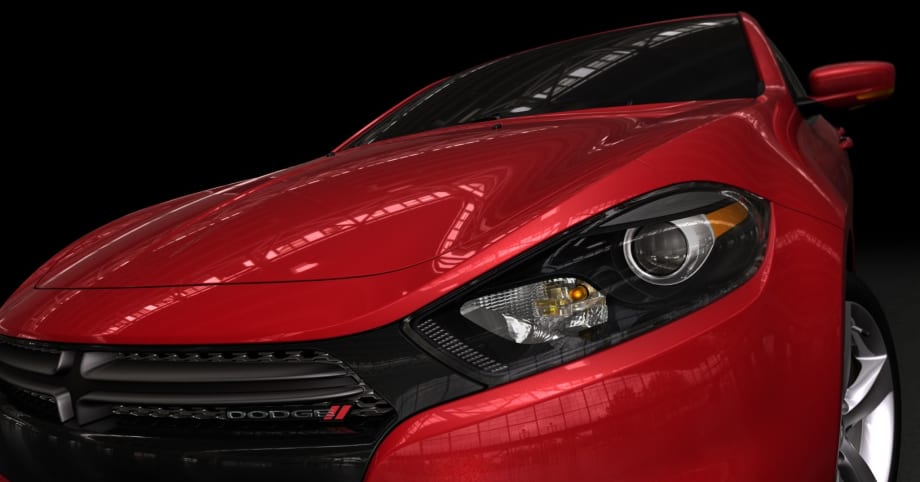
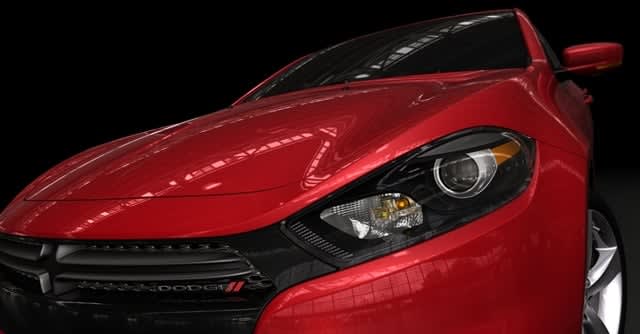
AUBURN HILLS, MI – Chrysler’s Dodge division announced that it will introduce a new compact sedan, the 2013-MY Dodge Dart, at the North American International Auto Show in Detroit in early 2012. The automaker said the vehicle is based on a Fiat architecture adapted from the Alfa Romeo Guilietta.
Under the hood, the 2013 Dodge Dart will be powered by three four-cylinder engines. Drivers can select from a new Tigershark 16-valve 2.0L engine, a 16-valve 1.4L MultiAir Intercooled Turbo engine, and a new Tigershark 16-valve 2.4L MultiAir four-cylinder engine. These three engines offer three transmission choices as well.
Chrysler said the MultiAir technology delivers optimum combustion at any speed under all driving conditions by allowing direct and dynamic control of air intake and combustion. The automaker said this can result in up to a 15% increase in low engine rpm torque, a 7.5% improvement in fuel efficiency, and a 10% reduction in C02 emissions. The automaker hasn’t provided miles-per-gallon estimates yet.
The new vehicle features a tailored split-crosshair grille, projector headlamps and fog lamps, and accentuated fenders up front. Dodge full-width LED “racetrack” tail lamps and integrated dual exhaust – both inspired by Dodge Charger – are designed to accentuate the vehicle’s stance and look.
Chrysler said the all-new Compact U.S. Wide (CUSW) architecture used in the Dart offers a high percentage of high-strength steel, at 68% of the vehicle’s body. This results in a strong and rigid structure, according to Chrysler. Other exterior features include four-wheel independent suspension and available 18-inch wheels.
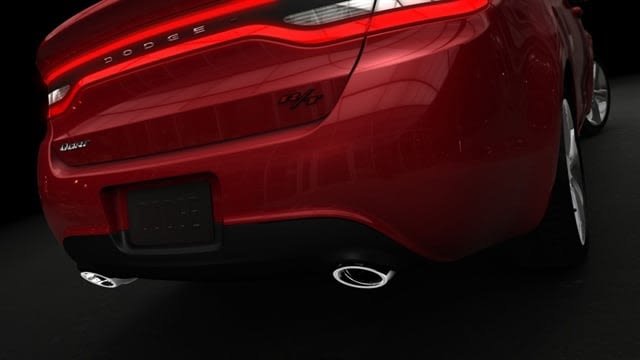
The automaker said the all-new Dodge Dart will be made in America at Chrysler Group’s Belvidere Assembly Plant in Belvidere, Ill. The company is in the process of investing $600 million dollars to support the production of future products, including the 2013 Dodge Dart. The investment includes the construction of a 638,000-square-foot body shop, as well as the installation of new machinery, tooling and material handling equipment. Work on the expansion began in the summer of 2010 and will be completed this year, according to the company.
Chrysler also launched a teaser site for the new sedan.
More Operations

How Fleets Can Recruit and Train Veterans for Technician Roles
Here's how the technician shortage has affected uptime for fleets, and what to do about it.
Read More →
Avis Budget Group Deploys Neology Toll Management Technology Across Major Brands
Neology’s neoFleet platform will manage toll transactions and toll-authority operations for vehicles across Avis, Budget, Payless, Budget Truck and Zipcar.
Read More →
Fleet Personal-Use Charges Edge Higher in 2026
Nearly eight in 10 surveyed fleets allow personal use of company vehicles, while just over half of respondents report charging employees for the privilege.
Read More →
The Future of Fleet + What’s Changing Right Now | AF News Recap
Could developments overseas offer a preview of what’s coming for U.S. fleets? This week, we’re looking at the future of AI, autonomy, and electrification, plus Ford Pro’s new certified pre-owned program, smarter vehicle offboarding, and a new way for fleets to manage toll expenses.
Read More →
How to Handle Vehicle Offboarding
What do fleet managers need to do when a driver leaves?
Read More →
Fleet Manager’s Ultimate Playbook: Navigating the New Standard in OEM Connectivity
Rising operating costs, driver safety concerns, and unplanned downtime are putting unprecedented pressure on modern fleets. Discover how fleet managers use embedded OEM connectivity and real-time vehicle data to cut TCO, prevent downtime, and protect drivers without aftermarket telematics hardware.
Read More →
U.S. Bank Adds Verra Mobility Toll Management to Voyager Fleet Platform
The integration allows U.S. Bank Voyager fleet customers to manage toll payments and violations alongside fuel, EV charging and maintenance expenses.
Read More →
ADAS Prevents Crashes. But Repairs Cost More | AF News Recap
ADAS-equipped vehicles may crash less often, but they can cost more when they do. This week, we’re breaking down what that tradeoff means for fleets, plus Subaru’s first Forester Wilderness Hybrid, Nissan’s new e-POWER Rogue, and why Calstart has become Catalyst Mobility.
Read More →
Moventum Fleet Management Names Mark Iorillo Head of Sales
Iorillo brings nearly 20 years of fleet management and sales experience to the role, including previous positions at Element Fleet Management, CEI, Donlen and Ryder.
Read More →
Fleet Has a Talent Pipeline Problem. What Comes Next? | AF News Recap
Where will fleet’s next generation of leaders come from? This week, we’re looking at the industry’s talent pipeline, what certification can add to a fleet career, how to build an award-worthy track record, and the return of Automotive Fleet’s Personal Use Survey.
Read More →