




Chrysler Releases MSRP and Standard Features for 2013-MY Dodge Dart Models
AUBURN HILLS, MI - All 2013 Dodge Dart models feature come with a 5-year, 100,000-mile powertrain warranty. According to Chrysler, production of the Dart begins at Chrysler Group’s Belvidere, Ill., Assembly Plant in the second quarter 2012.
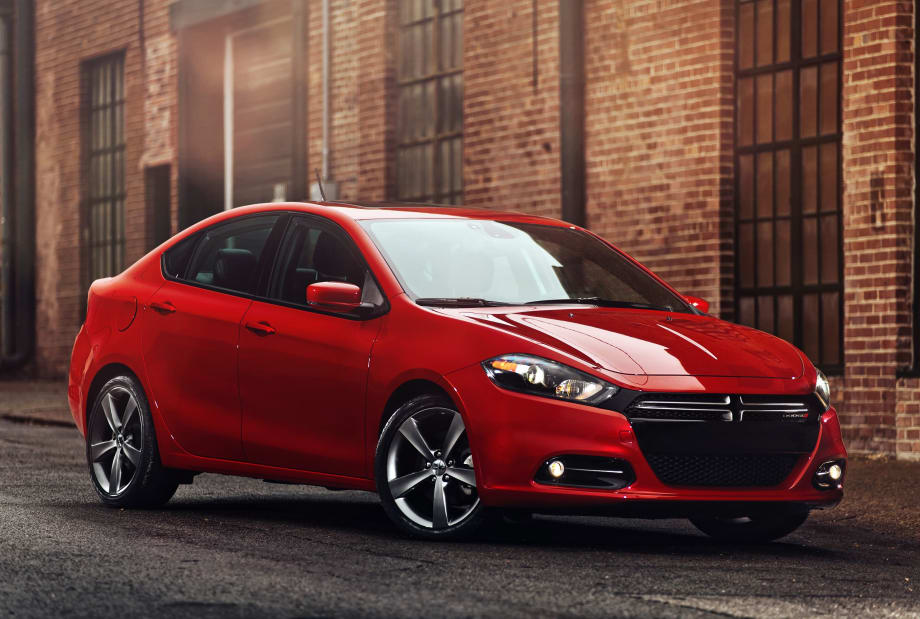
The 2013-MY Dodge Dart.

The 2013-MY Dodge Dart.
AUBURN HILLS, MI – Chrysler announced pricing and specific features for its all-new 2013-MY Dodge Dart models, which has a starting MSRP of $15,995. All 2013 Dodge Dart models feature come with a 5-year, 100,000-mile powertrain warranty. According to Chrysler, production of the Dart begins at Chrysler Group’s Belvidere, Ill., Assembly Plant in the second quarter 2012 and will start arriving in U.S. dealer showrooms in June 2012.
The automaker listed the following pricing range for the different Dart models as follows (all prices exclude the $795 destination):
Dodge Dart SE $15,995
Dodge Dart SXT $17,995
Dodge Dart Rallye $18,995
Dodge Dart Limited $19,995
Dodge Dart R/T $22,495 (available Q3 2012)
The Dodge Dart SE is powered by the automaker’s new 2.0L 16-valve Tigershark I-4 engine, which produces 160 horsepower (hp) and 148 lb.-ft. of torque, and is matched with a six-speed manual transmission or available six-speed automatic.
Features include standard safety features, such as 10 standard air bags, four wheel disc anti-lock brakes, brake assist, electronic stability control (ESC), and traction control. On the outside, the Dart features standard projector headlamps, LED taillamps, body-color crosshair grille, and a laminated windshield. The Dart SE’s interior features a soft-touch instrument panel with bright accents, a six-way manual driver seat with height adjuster, ‘Denim’ cloth seats, power windows, and AM/FM CD with MP3 playback capability, among other features.
The next trim level up, the SXT, adds 17-inch aluminum wheels; power body-color mirrors and door locks; remote keyless entry; six-speakers; security alarm, 60/40 split folding rear seat, sliding armrest; and an air conditioning with micron filter. Options include an 8.4-inch touch screen, Garmin navigation, in-seat storage, a rear backup camera, a power sunroof, and a 506-watt sound system.
The Dodge Dart Limited includes the standard equipment of the SXT and adds bright grille and door handles; the 8.4-inch Uconnect touch screen with rear backup camera; a 7-inch TFT reconfigurable instrument cluster display; floating island bezel; projector fog lamps; a 10-way power driver seat; automatic headlamps; active grille shutters; premium accent stitching on the instrument panel and more. Options include Nappa leather with a heated steering wheel, Garmin navigation, rear cross path detection, and polished aluminum wheels.
The two performance options are the Rallye and the R/T. The Rallye adds performance-focused front and rear fascias, and four interior colors, Black with Light Diesel Grey, Diesel with Light Diesel Grey, Black with Ruby Red or Diesel Grey with Citrus Peel. The Rallye also has the same standard equipment as the SXT but adds the following: black front fascia accents; black headlamp bezels; projector fog lamps; an integrated dual exhaust with bright exhaust tips; a leather-wrapped steering wheel; speed control; steering wheel audio controls; and a trip computer.
The R/T adds a new 2.4L Tigershark MultiAir 2 four-cylinder engine capable of producing 184 horsepower and 171 lb.-ft. of torque. It’s matched with a six-speed manual transmission or an available six-speed automatic with AutoStick. Standard equipment is the same as the Limited model but features 18-inch aluminum wheels; a sport suspension with frequency-sensing damping shocks; a performance front fascia with black accents and Hyper Black grille; black headlamp bezels; an integrated dual exhaust with bright exhaust tips; R/T-unique premium Nappa perforated leather seats; dual- zone automatic temperature control; heated seats; and a heated steering wheel. Options include Hyper Black aluminum wheels, Keyless Enter ‘n Go, HID Headlamps and a 506-watt sound system, among others.
More Operations

Here's When You Should Make an Exception to Fleet Policy
Fleet policies are designed to create consistency, but not every driver or situation fits neatly within standard rules.
Read More →
AI-Native or AI-Acquired: What Should Fleet Managers Look for in an AI Platform?
Six questions can help fleet managers look beyond AI marketing claims to evaluate integration, data access, and real-world operational performance.
Read More →
A buyer's guide to fleet management software in 2027
Buying fleet management software in 2027 means looking beyond features and price. As fleet operations, technology and expectations evolve, this guide explores what today’s fleet professionals should consider when choosing a system that can deliver value now and adapt to what comes next.
Read More →

What Will Shape the Next Era of Fleet Management?
EVs, AI, and autonomous vehicles are reshaping fleet management. Discover what’s ahead—and how fleet leaders can prepare for the next era.
Read More →
How Fleets Can Recruit and Train Veterans for Technician Roles
Here's how the technician shortage has affected uptime for fleets, and what to do about it.
Read More →
Avis Budget Group Deploys Neology Toll Management Technology Across Major Brands
Neology’s neoFleet platform will manage toll transactions and toll-authority operations for vehicles across Avis, Budget, Payless, Budget Truck and Zipcar.
Read More →
Fleet Personal-Use Charges Edge Higher in 2026
Nearly eight in 10 surveyed fleets allow personal use of company vehicles, while just over half of respondents report charging employees for the privilege.
Read More →
The Future of Fleet + What’s Changing Right Now | AF News Recap
Could developments overseas offer a preview of what’s coming for U.S. fleets? This week, we’re looking at the future of AI, autonomy, and electrification, plus Ford Pro’s new certified pre-owned program, smarter vehicle offboarding, and a new way for fleets to manage toll expenses.
Read More →
How to Handle Vehicle Offboarding
What do fleet managers need to do when a driver leaves?
Read More →
Fleet Manager’s Ultimate Playbook: Navigating the New Standard in OEM Connectivity
Rising operating costs, driver safety concerns, and unplanned downtime are putting unprecedented pressure on modern fleets. Discover how fleet managers use embedded OEM connectivity and real-time vehicle data to cut TCO, prevent downtime, and protect drivers without aftermarket telematics hardware.
Read More →