




Chrysler and EPA Partner to Bring Hydraulic Hybrid Technology to Light-Duty Vehicles
WASHINGTON - The U.S. EPA and Chrysler have signed an agreement to develop and adapt hydraulic hybrid technology for large passenger cars and other light-duty vehicles. The automaker’s and the EPA’s goal is to design a Chrysler Town & Country minivan as a demonstration vehicle, using the patented technology developed by the EPA, and test the vehicle in 2012.
WASHINGTON - The U.S. EPA and Chrysler have signed an agreement to develop and adapt hydraulic hybrid technology for large passenger cars and other light-duty vehicles. The automaker’s and the EPA’s goal is to design a Chrysler Town & Country minivan as a demonstration vehicle, using the patented technology developed by the EPA, and test the vehicle in 2012.
The EPA said it anticipates that use of this technology in light-duty vehicles will increase overall fuel efficiency by 30-35 percent, 60 percent city driving, and reduce overall greenhouse gas emissions by 25 percent.
Chrysler stated the research project will focus on adapting the hydraulic hybrid system to a Chrysler Town & Country minivan equipped with a 2.4-liter, inline four-cylinder gasoline engine. EPA said a joint engineering team will design and integrate the hydraulic hybrid system into the minivan. The minivan will feature a unique powertrain that replaces the automatic transmission, EPA stated.
Components of the hydraulic hybrid system include a 117 cc engine pump, a 45 cc drive electric motor and a two-speed automatic transmission. Fluid for the system will be stored in a 14.4-gallon high pressure accumulator.
The hydraulic hybrid system captures and reuses the energy lost in braking through a hydraulic pressure vessel. According to Chrysler, the system produces power with engine torque driving a hydraulic pump that charges the high pressure accumulator of up to 5,000 p.s.i. The high-pressure accumulator delivers the pressure energy to the axle hydraulic motor, giving the vehicle power to drive the wheels. The gas engine will remain off if the accumulator charge is sufficient to drive the motor.
EPA’s work for this project will take place at the National Vehicle and Fuel Emissions Laboratory. Other engineering partners working on this project include FEV of America, Inc. of Auburn Hills, Michigan and Southwest Research Institute of San Antonio, Texas and Ann Arbor.
More information on the hydraulic hybrid system is available at epa.gov/otaq/technology.
More Green Fleet
EV Charging Use Is Outpacing Infrastructure Growth
ChargePoint’s 2026 Charging Forward Report points to rising charger use, higher-powered charging, commercial vehicle electrification, and energy-management technology. Here’s what fleets should know.
Read More →
Merchants Fleet Reports 290M EV Miles as Fleets Navigate Changing Electrification Market
From millions in operating savings to hundreds of millions of EV miles, Merchants Fleet’s latest report reveals what’s working and what’s changing in fleet electrification.
Read More →
The EV Breakdown Nobody's Talking About: Why Most Electric Vehicle Roadside Calls Aren't Mechanical Failures
Here's why EV breakdowns are widely misunderstood.
Read More →
ChargePoint Now Available in Energy Pass
ChargePoint and additional planned charging network integrations were added to GM's Energy Pass.
Read More →

First Look: Slate Auto's Electric Fleet Pickup
Could an affordable, modular EV pickup make electrification more practical for fleets?
Read More →
Slate Debuts Colorful, Unique EV Models
A recent media and client event, studded with electric vehicles dressed up on platforms, planted a new position for the manufacturer in the wider EV market. Fleets will find cost-saving advantages.
Read More →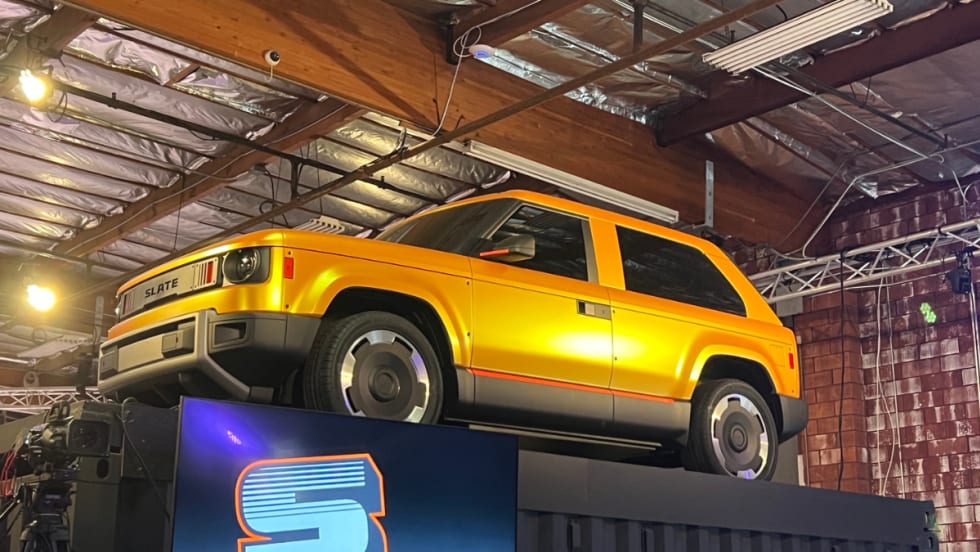
Slate Electric SUV, Pickup Switchable Model Aims For Light-Duty Fleets
Everything about this EV is counterintuitive and understated, making it stand out from the crowd.
Read More →
Inspiration Mobility Acquires Key Electrada Assets
Inspiration Mobility Group has acquired select assets of Electrada, adding the fleet electrification provider's team, technology, and charging infrastructure development capabilities to its energy management business.
Read More →
Turning Connected Vehicle Data Into Decisions That Matter
Fleet leaders have more data than ever, but turning that data into clear, actionable decisions remains a challenge. This white paper shows how leading organizations are using connected vehicle data to improve safety, reduce costs, and optimize fleet performance. Learn how to turn insight into action across your fleet.
Read More →