




DaimlerChrysler's Chrysler Group doesn't intend to cede the growing hybrid car market to rivals such as Ford Motor Co. and will offer front-wheel-drive hybrid vehicles in the U.S. perhaps as early as 2006, group Chief Executive Dieter Zetsche said in an interview, according to an article in the Los Angeles Times Aug. 19. Zetsche's remarks came during a preview of the 2005 Jeep Grand Cherokee and the new diesel-powered Jeep Liberty sport/utility vehicle in Santa Barbara. Chrysler, based in Auburn Hills, Mich., has been emphasizing diesel vehicles rather than hybrids in the U.S. to bolster its fuel-efficiency ratings. Hybrids combine gasoline engines and electric motors to improve performance while reducing gas consumption. Zetsche would not identify the vehicles Chrysler might introduce as hybrids, but the popular PT Cruiser and Dodge and Chrysler minivans have been viewed as likely candidates. He did say that rather than develop its own hybrid systems from scratch, DaimlerChrysler probably will license the technology from another manufacturer. Toyota Motor Corp., which developed the first retail hybrid with the 1998 Prius, has said it will sell its system to all comers and has licensed its hybrid technology to Nissan Motor Co. for a 2005 Altima hybrid sedan. A Toyota spokesman has said that he wasn't aware of any deal with Chrysler. In addition to Toyota, Honda Motor Co. sells hybrids in the U.S., and Ford will begin selling a hybrid version of its Escape SUV this year. Chrysler has developed a so-called mild hybrid version of its heavy-duty Dodge Ram pickup, using a diesel engine and an electric motor that will provide additional power in certain driving situations. The Ram hybrid's electrical system also can be used as an electric generator when the vehicle is parked. But Dodge plans to sell only a few hundred a year, mainly to government fleets and construction companies. By emphasizing diesel technology, which is popular in Europe, Chrysler seemed to be giving up on the critical California and Eastern Seaboard markets, where diesel passenger vehicles can't be sold because of strict air pollution regulations. Diesel fuel produces more harmful particulate matter — soot and other solid emissions — than does gasoline. But diesels are more fuel-efficient, thus producing less carbon dioxide than gasoline. Carbon dioxide is a so-called greenhouse gas that contributes to global warming. The diesel Liberty SUV, for example, will get about 25 percent better fuel economy than the gasoline version — 22 miles per gallon in the city and 27 mpg on the highway, according to company estimates. But Chrysler can sell it only in the 43 states that follow the less stringent federal emissions standards.
CEO Says Chrysler Will Go Hybrid
DaimlerChrysler's Chrysler Group doesn't intend to cede the growing hybrid car market to rivals such as Ford Motor Co. and will offer front-wheel-drive hybrid vehicles in the U.S. perhaps as early as 2006, group Chief Executive Dieter Zetsche said in an interview, according to an article in the Los Angeles Times Aug. 19.
More Operations

Why Fleet Managers Are Replacing Departmental Vehicles with Shared Motor Pools
Departmentally assigned vehicles often create hidden costs through underutilization, poor visibility, and increased administrative burden. This white paper explores how shared motor pool strategies help fleets reduce costs, improve accountability, and optimize vehicle utilization.
Read More →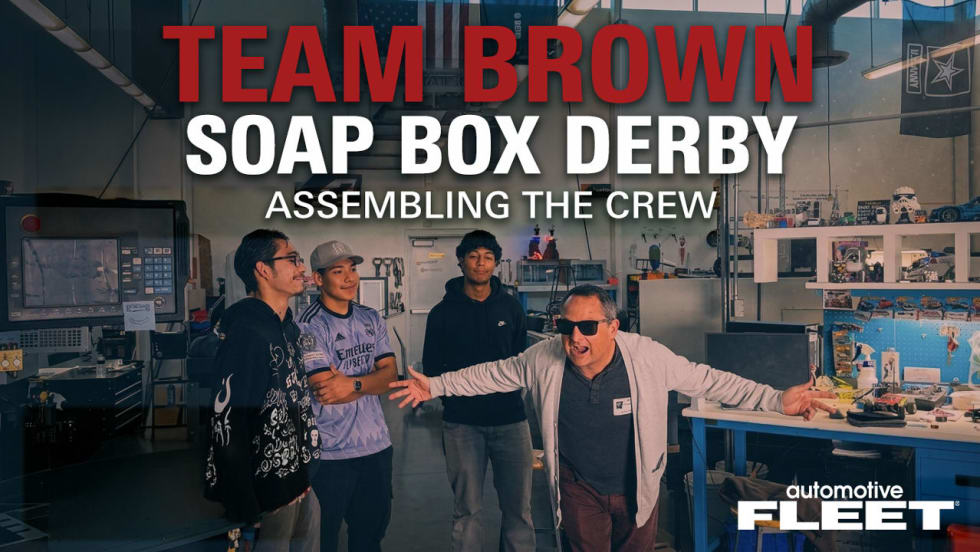
Soap Box Derby Challenge: Assembling the Crew
Meet Gabriel, Matthew, and Angel — the team helping bring this soap box derby build to life.
Read More →
BBL Fleet Acquires Velcor Leasing Corporation
BBL Fleet expanded its footprint in the fleet management industry with the acquisition of Velcor Leasing Corporation of Madison through a stock purchase agreement finalized Feb. 27, 2026.
Read More →
Lytx Introduces New AI Fleet Technologies at Protect 2026
The company introduced new AI-driven fleet safety and operations technologies during its annual user conference.
Read More →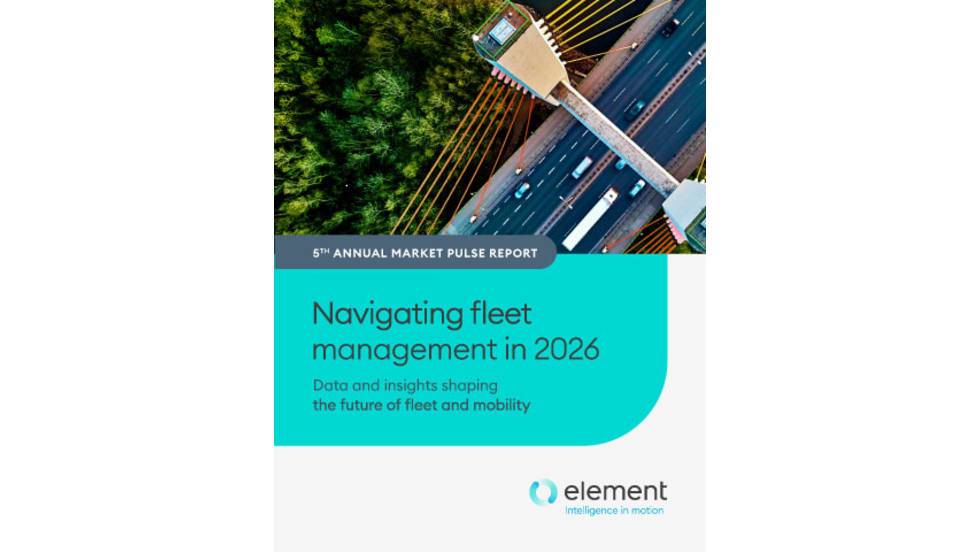
Fleet Costs Are Rising: Here’s How Leaders Are Responding
Fleet leaders are under pressure to reduce costs, adapt to economic uncertainty, and make smarter decisions. See how peers across North America are responding with real data, proven strategies, and forward-looking insights. Download the 2026 Market Pulse Report to benchmark your strategy and uncover where you can gain an edge.
Read More →
From Waffle House to AI: Fleet Trends You Need to Know
In this AF news recap, host Faith Howell covers how Waffle House stepped up during disaster response and new AI tech on the market.
Read More →
Fleet Operations in the Age of AI: Navigating Ethical and Legal Challenges
AI is no longer a future concept for fleets—it’s already embedded in the tools, data, and decisions that operators rely on every day. In this episode of the Fleet Forward Podcast, recorded live at Fleet Forward, industry leaders take the conversation beyond hype to examine what responsible AI adoption really looks like in fleet operations.
Read More →
Factory Installed vs. Aftermarket: Choosing the Right Telematics Path & Managing the Data
As fleets rethink how they capture, manage, and act on vehicle data, telematics is at a major inflection point. In this episode of the Fleet Forward Podcast, we dive deep into one of the most pressing questions facing fleet leaders today: Should you rely on OEM factory-installed connectivity, aftermarket devices, or a hybrid of both?
Read More →
What Real-Time Data Reveals About EV Cost, Performance, and Scalability
Experts from telematics analytics, fleet-as-a-service operations, and national EV benchmarking share how real-time data is reshaping fleet strategy—dispelling assumptions, validating best practices, and exposing costly missteps.
Read More →
Planning Through Policy Shifts: What Fleets Must Track in 2026
A powerhouse panel featuring experts from the American Automotive Leasing Association, CalSTART, and municipal fleet leadership dives into the realities of navigating shifting emissions rules, regulatory waivers, federal agency actions, the future of the EPA’s endangerment finding, and the push for unified standards. They also examine the impacts of tariffs, autonomous vehicle policy, battery innovation, and the accelerating global EV market.
Read More →