




Cellulosic Ethanol Producer Draws $76 Million Grant from Energy Department
ATLANTA --– The U.S. Department of Energy announced that Range Fuels Inc., a Colorado-based cellulosic ethanol company, will receive federal funding to build Georgia's first wood-based cellulosic ethanol plant in Treutlen County.
ATLANTA --– The U.S. Department of Energy announced that Range Fuels Inc., a Colorado-based cellulosic ethanol company, will receive federal funding to build Georgia's first wood-based cellulosic ethanol plant in Treutlen County. "Today’s announcement is more great news for our state's effort to encourage bio-fuels developed from home-grown products," said Georgia Gov. Sonny Perdue. DOE will commit up to $76 million in federal funds over the next four years. The initial plant will produce about 40 million gallons of ethanol a year and 9 million gallons of methanol, and create approximately 69 jobs for the area. The company said that when combined with other plants to follow, Range will have the capacity to produce over 1 billion gallons of ethanol per year in Georgia. "Our technological leadership, Georgia's abundant supply of waste wood material and their great stewardship of their forest lands, combined with our ability to quickly scale to commercial size, differentiated us from the competition,” said Range Fuels CEO Mitch Mandich. While most domestic ethanol production requires corn as a feedstock, Range Fuels' proprietary process does not. The Department of Energy grant specifically required the use of non-food feedstocks. The company's technology transforms otherwise useless products, such as wood chips, into ethanol through a thermo-chemical conversion process. The company's system, K2, uses a two-step process to convert the feedstock to a synthesis gas and then converts the gas to ethanol using a catalysis process. The K2 system is modular, providing easy adaptation to a wide variety of situations. The systems can be located near the feed source, reducing transportation costs to the plant. Georgia's forests can produce close to 2 billion gallons of ethanol a year from wood waste material on a renewable and sustainable basis, and the company envisions plants throughout Georgia. The grant was announced at a press conference hosted by Energy Secretary Samuel W. Bodman. "Range Fuels will play a critical role in helping to bring cellulosic ethanol to market and teaching us how we can produce it in a more cost-effective manner," Bodman said. "Ultimately, success in producing inexpensive cellulosic ethanol could be the key to eliminating our nation's addiction to oil." Gov. Perdue has introduced legislation this year that would exempt sales taxes on the purchase of materials and equipment used in the construction of biofuel facilities in Georgia.
More Fuel

Turning Fleet Payment Data into Executive Insights
Ramel Lindsay of U.S. Bank Voyager discusses how fleets can transform payment and transaction data into actionable intelligence to reduce costs, improve oversight, and support executive decision-making.
Read More →
Why the IRS Raised Its Mileage Rate in the Middle of 2026
Fuel-price volatility drove the rare increase to 76 cents per mile, the fifth midyear adjustment since 2000.
Read More →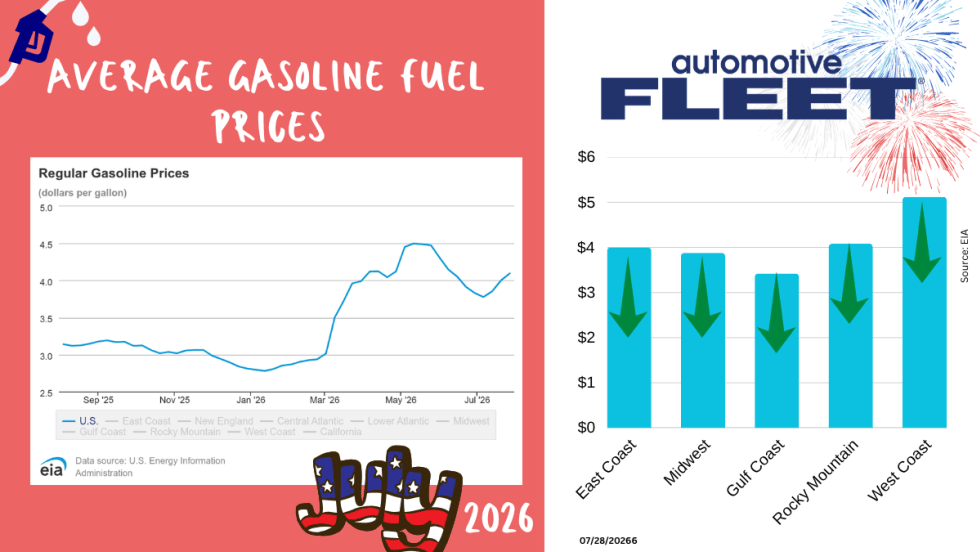
July Fuel Update: Prices Keep Rising in Light of More Conflict
Gas prices continue to rise as more and more conflicts do, too.
Read More →
Bob Adamsky on Fuel Volatility: "Don't Panic, Have a Plan."
When it comes to up and down fuel prices, Adamsky has a message for fleets: “Don’t panic.”
Read More →
How Fleets Can Gain Control of Non-Fuel Spend
Fuel often gets the spotlight, but non-fuel expenses can have a major impact on fleet costs. Ramel Lindsay of U.S. Bank Voyager discusses how fleets can gain better visibility and control over these often-overlooked expenditures.
Read More →
Fuel is Just the Start: How Middle East Tensions are Driving Up Fleet Maintenance Costs
The Middle East conflict is doing more than pushing up fuel prices. It’s also raising the cost of key maintenance products your fleet depends on, from motor oil to tires to windshield wipers. Here’s what you need to know about this budget-busting situation.
Read More →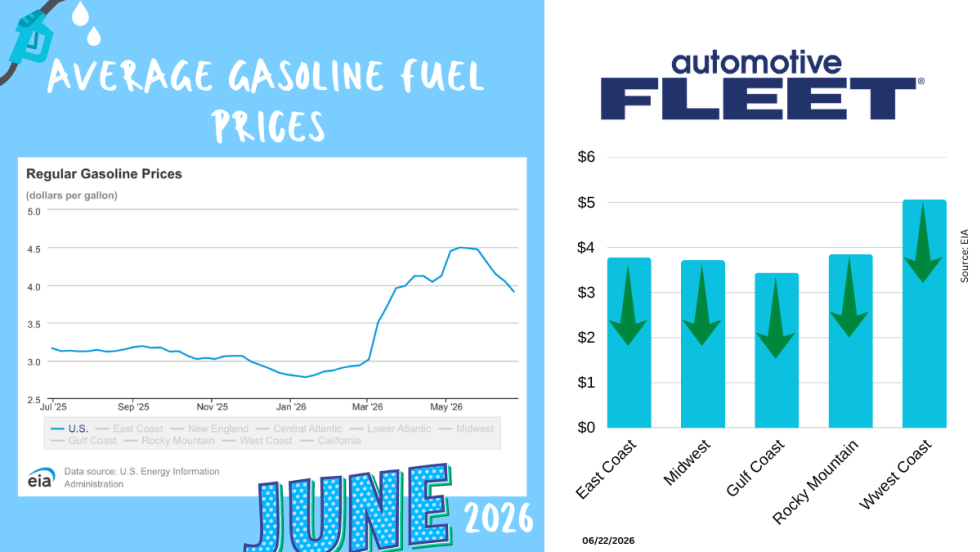
June Fuel Update: Prices Fall Below $4
Drivers are finally getting some relief at the pump. The national average gas price has dropped below $4 a gallon for the first time in months, with prices falling in 47 states as oil markets react to developments in U.S.-Iran negotiations.
Read More →
Study: How 2026's Gas Price Hikes Affect Different Vehicle Types
New data from iSeeCars reveals how rising fuel costs have affected different vehicle segments as gasoline prices climbed nearly 46% over the past four months.
Read More →
Are You Tracking Your Fleet's True Total Cost of Ownership?
Bobit Business Media surveyed 190 fleet professionals and found that while most fleets are tracking costs, fragmented systems and data gaps are keeping true TCO visibility out of reach. With rising pressure to control spend in an increasingly volatile environment, the gap between what fleets think they know and what the data actually shows is wider than you might expect. See how your peers are managing costs today and where the industry still has room to improve.
Read More →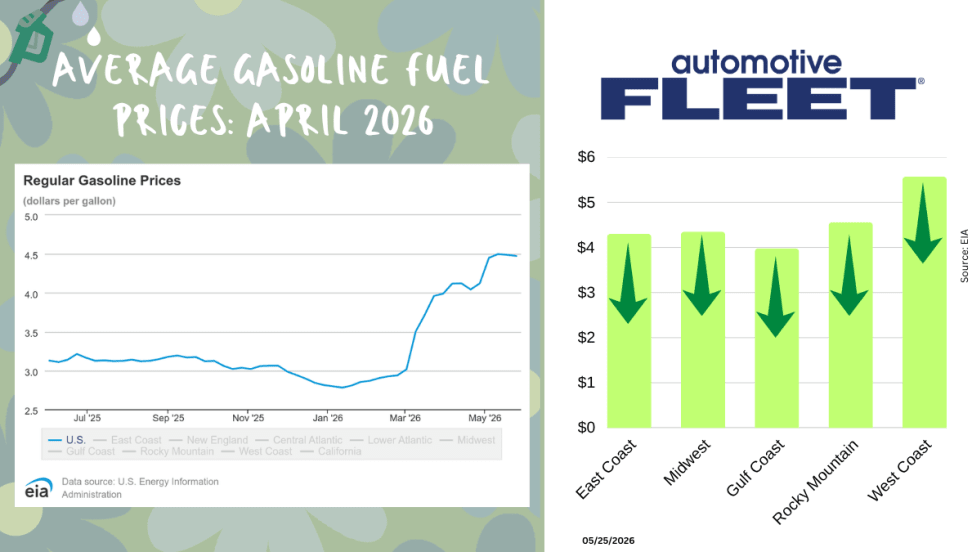
May Fuel Update: All Regions Experience Declines
Gas prices are finally easing in much of the country, but experts warn global tensions could quickly reverse the trend as the national average remains well above last month’s levels.
Read More →