




PEORIA, IL – Used diesel engines, truck transmissions, and other heavy-equipment components are getting a new lease on life at Caterpillar Inc., according to Reuters. The company began “remanufacturing” products ranging from water pumps to military tank engines, returning more than 2 million of them to the market every year. All carry a like-new warranty and price tag that's roughly half of what it would be for a product just off the assembly line. Analysts say those efforts are likely to help Caterpillar, as rising raw material prices and commodity shortages – the very factors fueling sales of remanufactured goods – crimp margins and weigh on growth prospects. "When you've got that many engines out there to reclaim, if you can do it on a low-cost basis, I think you're going to be at a competitive advantage over the next five years," said analyst Scott Burns of research firm Morningstar. Remanufacturing is similar to recycling, but more extensive. It involves taking a product apart; cleaning, fixing, or replacing worn parts; upgrading the technology where possible; and then putting it back together. Environmental concerns are certainly driving Caterpillar's remanufacturing push. "We think there is going to be tremendous pressure going forward for reusing our natural resources as much as possible," Chief Executive James Owens told Reuters recently. But the company is also thinking dollars and cents. Owens said remanufacturing has potential for major growth, perhaps 10 to 15 percent annually for years to come. In March, Caterpillar set plans to remanufacture products made by other companies. In August, it bought two remanufacturing companies that serve the auto industry. And in November, it reopened a British plant that had been converted to remanufacture military tanks, railroad engines, and truck transmission systems. The Peoria, Illinois-based company now remanufactures at nine factories worldwide, employing 2,500 people. Unlike Caterpillar, most, if not all, original equipment manufacturers don't do their own remanufacturing. Instead, many in the United States subcontract such work out to the small “mom and pop” operations that dominate the industry, said Robert Lund, an adjunct associate professor at Boston University's School of Engineering. Because remanufactured products are less expensive than new ones, analysts said they are likely to attract customers that otherwise wouldn't buy them. Caterpillar argues that the size and scale of its operation, plus the technology available to it, allow it to salvage more parts. "We're using laser technology on some of our parts to remanufacture them, to get the second, third, and fourth lives," said Steve Fisher, general manager of Caterpillar's remanufacturing business.
Caterpillar Expands Remanufacturing
PEORIA, IL – Used diesel engines, truck transmissions, and other heavy-equipment components are getting a new lease on life at Caterpillar Inc., according to Reuters.
More Operations

BBL Fleet Acquires Velcor Leasing Corporation
BBL Fleet expanded its footprint in the fleet management industry with the acquisition of Velcor Leasing Corporation of Madison through a stock purchase agreement finalized Feb. 27, 2026.
Read More →
Lytx Introduces New AI Fleet Technologies at Protect 2026
The company introduced new AI-driven fleet safety and operations technologies during its annual user conference.
Read More →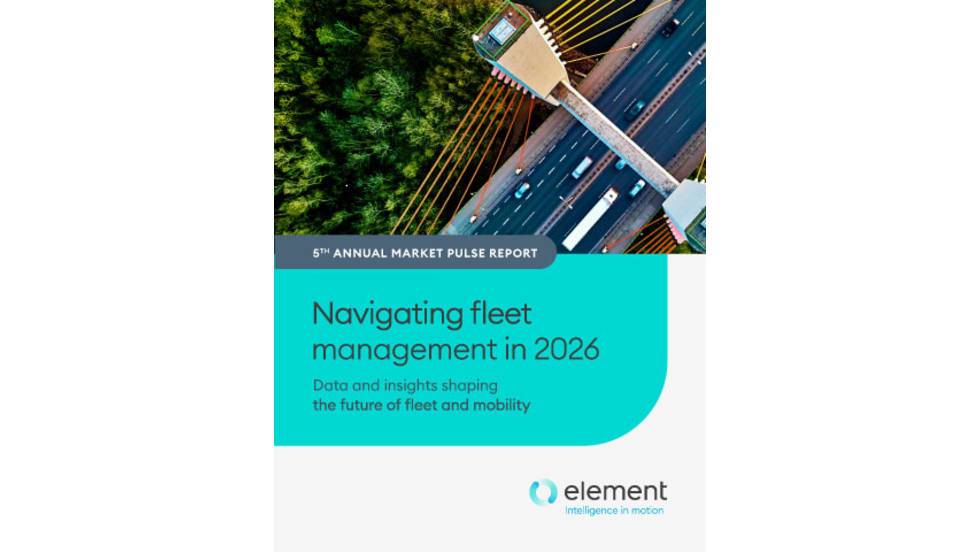
Fleet Costs Are Rising: Here’s How Leaders Are Responding
Fleet leaders are under pressure to reduce costs, adapt to economic uncertainty, and make smarter decisions. See how peers across North America are responding with real data, proven strategies, and forward-looking insights. Download the 2026 Market Pulse Report to benchmark your strategy and uncover where you can gain an edge.
Read More →
From Waffle House to AI: Fleet Trends You Need to Know
In this AF news recap, host Faith Howell covers how Waffle House stepped up during disaster response and new AI tech on the market.
Read More →
Fleet Operations in the Age of AI: Navigating Ethical and Legal Challenges
AI is no longer a future concept for fleets—it’s already embedded in the tools, data, and decisions that operators rely on every day. In this episode of the Fleet Forward Podcast, recorded live at Fleet Forward, industry leaders take the conversation beyond hype to examine what responsible AI adoption really looks like in fleet operations.
Read More →
Factory Installed vs. Aftermarket: Choosing the Right Telematics Path & Managing the Data
As fleets rethink how they capture, manage, and act on vehicle data, telematics is at a major inflection point. In this episode of the Fleet Forward Podcast, we dive deep into one of the most pressing questions facing fleet leaders today: Should you rely on OEM factory-installed connectivity, aftermarket devices, or a hybrid of both?
Read More →
What Real-Time Data Reveals About EV Cost, Performance, and Scalability
Experts from telematics analytics, fleet-as-a-service operations, and national EV benchmarking share how real-time data is reshaping fleet strategy—dispelling assumptions, validating best practices, and exposing costly missteps.
Read More →
Planning Through Policy Shifts: What Fleets Must Track in 2026
A powerhouse panel featuring experts from the American Automotive Leasing Association, CalSTART, and municipal fleet leadership dives into the realities of navigating shifting emissions rules, regulatory waivers, federal agency actions, the future of the EPA’s endangerment finding, and the push for unified standards. They also examine the impacts of tariffs, autonomous vehicle policy, battery innovation, and the accelerating global EV market.
Read More →
Managing Market Turbulence with Strategic Fleet Insights
This episode kicks off with a deep dive into the technologies and market forces reshaping today’s fleet landscape. Host Chris Brown is joined by Laolu Adeola (Leke Services), Tyson Jomini (J.D. Power), and Richard Hall (ZappiRide) to break down real-world data, shifting incentives, and practical strategies fleet leaders can use right now.
Read More →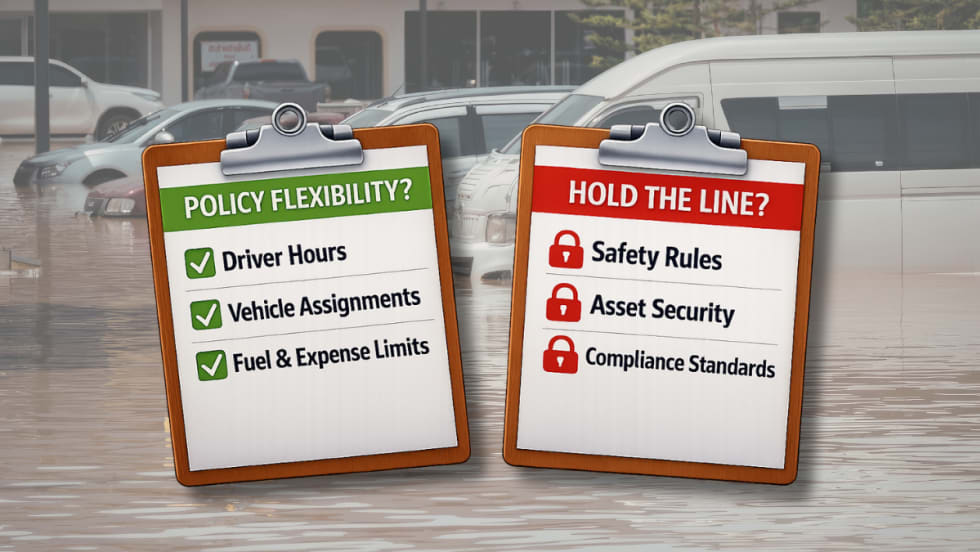
Adapting Fleet Policy When Disasters Strike
In the middle of natural disasters fleet managers must shift priorities to protect people and assets. What policy items should be loosened, and when should the line be held?
Read More →