





Going Green: What are Automakers Doing to Bridge the EV Charging Gap?
CARB Rescinds EPA Waiver: What Now for Private Fleets?
A CARB official pointed to uncertainty with the incoming administration as the reasoning behind the move.
January 15, 2025
Despite the ACF requirement for private fleets becoming void, fleets may eventually be left to only purchase ZEVs — depending on vehicle size — in the coming years, due to the Advanced Clean Trucks rule, which lays out requirements for ZEV sales of vehicles by OEMs.
Photo: CARB/Automotive Fleet
2 min to read
The California Air Resources Board has withdrawn its waiver request that was necessary for the Advanced Clean Fleets (ACF) regulation to apply to 'high-priority' private fleets.
High-priority fleets are entities that:
Own, operate, or direct at least one vehicle in California, and that have either $50 million or more in gross annual revenues, or
Own, operate, or have common ownership or control of a total of 50 or more vehicles
What this Means for 'High-Priority' Fleets
The move, which made national headlines, leaves the requirements for private fleets to purchase zero emissions vehicles void.
In a statement, CARB Chair Liane Randolph stated, "While we are disappointed that U.S. EPA was unable to act on all the requests in time, the withdrawal is an important step given the uncertainty presented by the incoming administration that previously attacked California’s programs to protect public health and the climate and has said will continue to oppose those programs."
She continued on to say that CARB is assessing its option to continue its progress as part of its commitment to improve the state's air quality.
The portion of ACF that applied to state and local government fleets continues, as that did not require an EPA waiver.
See how this impacts drayage fleets by reading our coverage on Heavy Duty Trucking.
Why the Pulled Waiver May Not Matter for Fleet Purchases
Fleets may eventually be left to only purchase ZEVs — depending on vehicle size — in the coming years anyway. That's because the Advanced Clean Trucks rule still stands.
Under that rule, which was approved by a separate waiver in 2023, OEMs are required to sell an increasing percentage of their trucks and other vehicles with a gross vehicle weight rating (GVWR) of over 8,500 lbs. as ZEVs.
What About the Other States that Adopted California's ACF Regulation?
Neither California nor the other states that adopted its ACF regulation are allowed to set more stringent rules without the EPA waiver.
Because the other states did not have waivers approved by the EPA either, those regulations are also void.
More Green Fleet
Sponsored•October 1, 2026
New Propane Autogas Program Offers Fleet Compensation
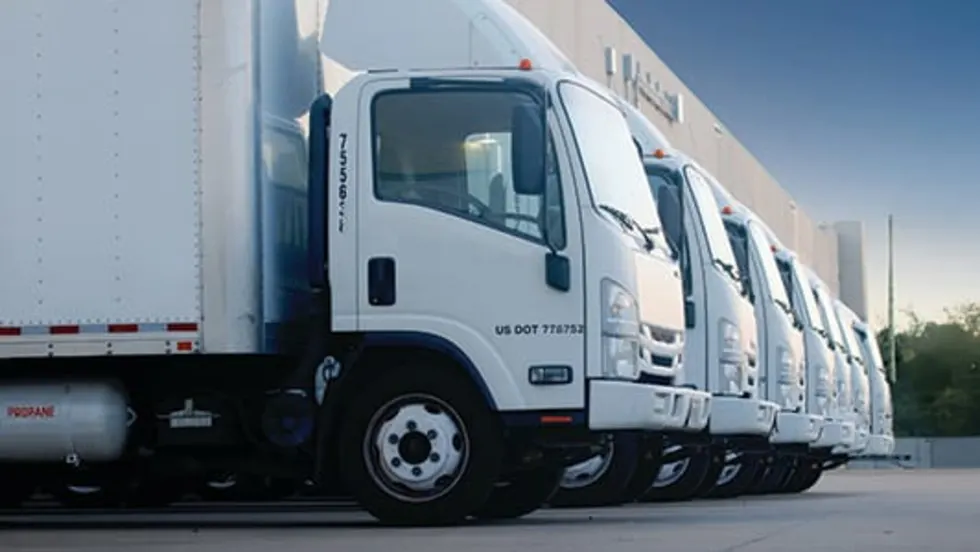
Qualified commercial fleets can receive $7,500 per eligible propane autogas vehicle and up to $10,000 for new refueling site prep. Learn how the program works and see whether your fleet qualifies.
Read More →
EV Charging Use Is Outpacing Infrastructure Growth
ChargePoint’s 2026 Charging Forward Report points to rising charger use, higher-powered charging, commercial vehicle electrification, and energy-management technology. Here’s what fleets should know.
Read More →
Merchants Fleet Reports 290M EV Miles as Fleets Navigate Changing Electrification Market
From millions in operating savings to hundreds of millions of EV miles, Merchants Fleet’s latest report reveals what’s working and what’s changing in fleet electrification.
Read More →
The EV Breakdown Nobody's Talking About: Why Most Electric Vehicle Roadside Calls Aren't Mechanical Failures
Here's why EV breakdowns are widely misunderstood.
Read More →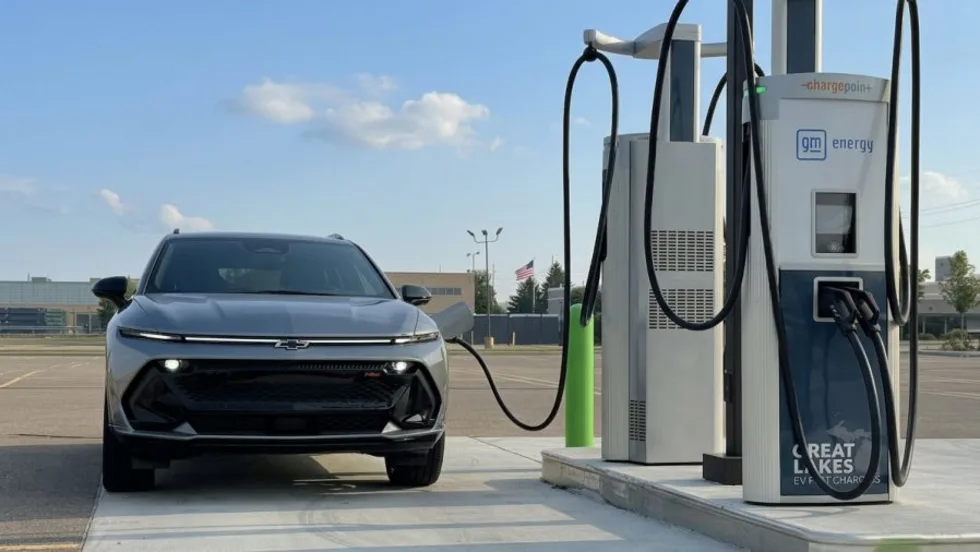
ChargePoint Now Available in Energy Pass
ChargePoint and additional planned charging network integrations were added to GM's Energy Pass.
Read More →

First Look: Slate Auto's Electric Fleet Pickup
Could an affordable, modular EV pickup make electrification more practical for fleets?
Read More →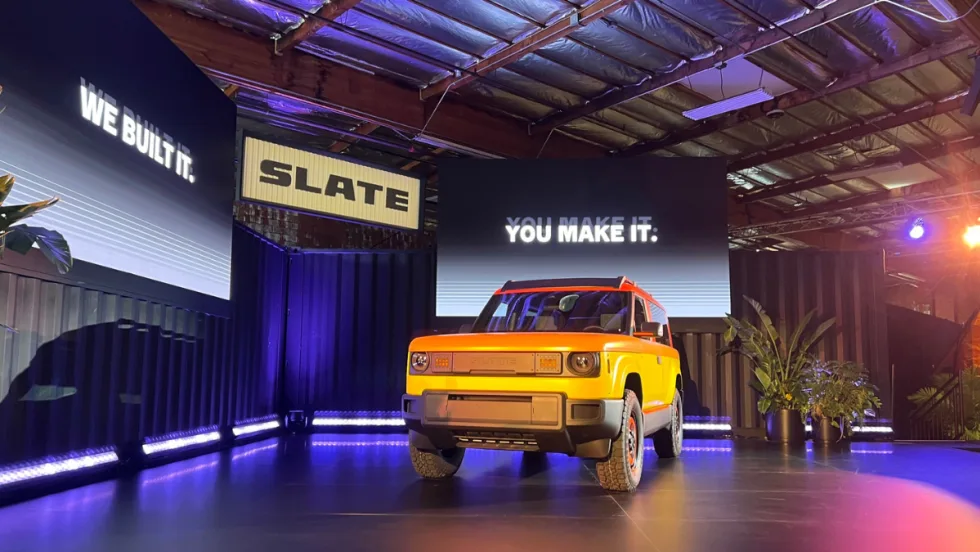
Slate Debuts Colorful, Unique EV Models
A recent media and client event, studded with electric vehicles dressed up on platforms, planted a new position for the manufacturer in the wider EV market. Fleets will find cost-saving advantages.
Read More →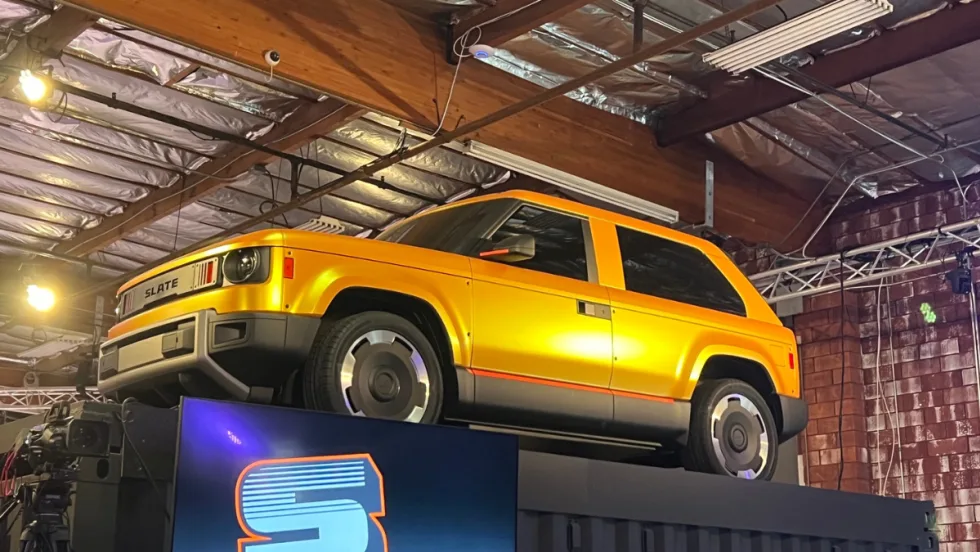
Slate Electric SUV, Pickup Switchable Model Aims For Light-Duty Fleets
Everything about this EV is counterintuitive and understated, making it stand out from the crowd.
Read More →
Inspiration Mobility Acquires Key Electrada Assets
Inspiration Mobility Group has acquired select assets of Electrada, adding the fleet electrification provider's team, technology, and charging infrastructure development capabilities to its energy management business.
Read More →