




Related: Feds Sue Volkswagen Over Diesel Fix
CARB Rejects VW's Clean Diesel Fix
The California Air Resources Board has rejected Volkswagen's fix-it plan for diesel-powered vehicles that used software to cheat emissions regulations, calling the proposed plan insufficient.
by Staff
January 13, 2016
Photo courtesy of Volkswagen.
2 min to read
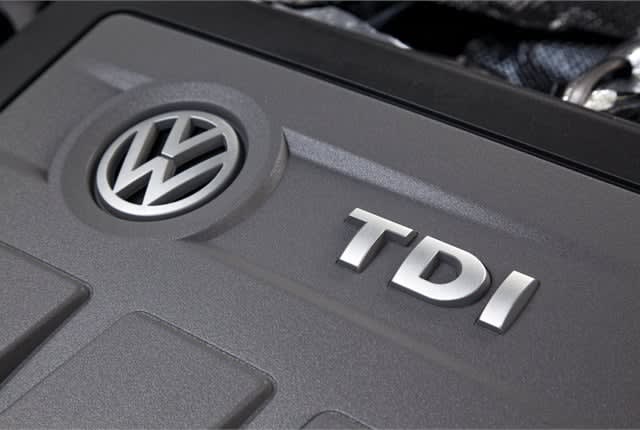
Photo courtesy of Volkswagen.
The California Air Resources Board has rejected Volkswagen's fix-it plan for diesel-powered vehicles that used software to cheat emissions regulations, calling the proposed plan insufficient.
The decision covers Volkswagen vehicles powered by a 2.0L four-cylinder TDI in model years 2009-2015. The decision doesn't affect the company's 3.0L engines named by regulators.
"Volkswagen made a decision to cheat on emissions tests and then tried to cover it up,” said Mary D. Nichols, the board's chair. “They continued and compounded the lie and when they were caught they tried to deny it. The result is thousands of tons of nitrogen oxide that have harmed the health of Californians. They need to make it right. Today's action is a step in the direction of assuring that will happen."
The board rejected the plan because it contained gaps and lacked sufficient detail. The plan's descriptions of proposed repairs didn't contain enough information for a technical evaluation, and the proposals didn't adequately address overall impacts on vehicle performance, emissions, and safety, according to a CARB release.
Volkswagen officials have said they continue to work with regulators to resolve the issue, according to a statement obtained by Reuters. VW CEO Matthias Muller is meeting with EPA chief Gina McCarthy on Jan. 13.
The board will continue to investigate Volkswagen's diesel engines with the U.S. Environmental Protection Agency to return the vehicles to legally required emissions levels. The board could order a remedy from Volkswagen, and both agencies may impose fines.
Discussions between Volkswagen and regulators broke down in recent weeks, after CARB gave the automaker an extension to present a plan to recall the vehicles. A recall is still on the table, according to a CARB statement.
More Operations

How Fleets Can Recruit and Train Veterans for Technician Roles
Here's how the technician shortage has affected uptime for fleets, and what to do about it.
Read More →
Avis Budget Group Deploys Neology Toll Management Technology Across Major Brands
Neology’s neoFleet platform will manage toll transactions and toll-authority operations for vehicles across Avis, Budget, Payless, Budget Truck and Zipcar.
Read More →
Fleet Personal-Use Charges Edge Higher in 2026
Nearly eight in 10 surveyed fleets allow personal use of company vehicles, while just over half of respondents report charging employees for the privilege.
Read More →
The Future of Fleet + What’s Changing Right Now | AF News Recap
Could developments overseas offer a preview of what’s coming for U.S. fleets? This week, we’re looking at the future of AI, autonomy, and electrification, plus Ford Pro’s new certified pre-owned program, smarter vehicle offboarding, and a new way for fleets to manage toll expenses.
Read More →
How to Handle Vehicle Offboarding
What do fleet managers need to do when a driver leaves?
Read More →
Sponsored•October 1, 2026
Fleet Manager’s Ultimate Playbook: Navigating the New Standard in OEM Connectivity
Rising operating costs, driver safety concerns, and unplanned downtime are putting unprecedented pressure on modern fleets. Discover how fleet managers use embedded OEM connectivity and real-time vehicle data to cut TCO, prevent downtime, and protect drivers without aftermarket telematics hardware.
Read More →
U.S. Bank Adds Verra Mobility Toll Management to Voyager Fleet Platform
The integration allows U.S. Bank Voyager fleet customers to manage toll payments and violations alongside fuel, EV charging and maintenance expenses.
Read More →
ADAS Prevents Crashes. But Repairs Cost More | AF News Recap
ADAS-equipped vehicles may crash less often, but they can cost more when they do. This week, we’re breaking down what that tradeoff means for fleets, plus Subaru’s first Forester Wilderness Hybrid, Nissan’s new e-POWER Rogue, and why Calstart has become Catalyst Mobility.
Read More →
Moventum Fleet Management Names Mark Iorillo Head of Sales
Iorillo brings nearly 20 years of fleet management and sales experience to the role, including previous positions at Element Fleet Management, CEI, Donlen and Ryder.
Read More →
Fleet Has a Talent Pipeline Problem. What Comes Next? | AF News Recap
Where will fleet’s next generation of leaders come from? This week, we’re looking at the industry’s talent pipeline, what certification can add to a fleet career, how to build an award-worthy track record, and the return of Automotive Fleet’s Personal Use Survey.
Read More →